

Suppliers, manufacturers and factory in Zimbabwe
Every division below ships to Zimbabwe as single units, as complete production lines, or consolidated into one bulk shipment against tender.
-
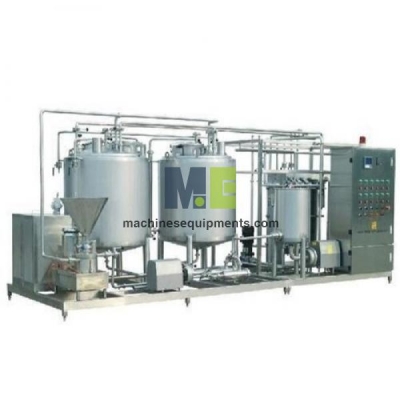
Food Processing Plants and Line Zimbabwe
View range -
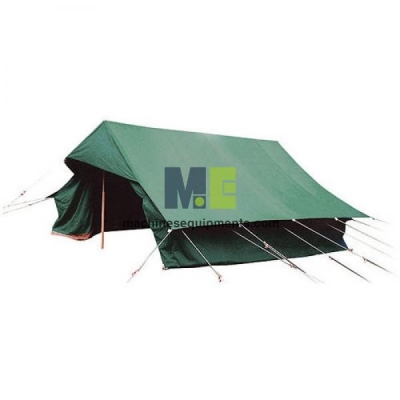
Relief Blankets and Tents Zimbabwe
View range -
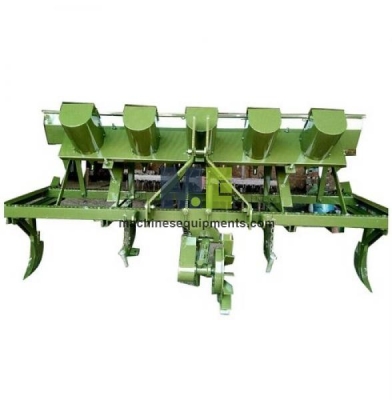
Agricultural Machinery and Equipment Zimbabwe
View range -
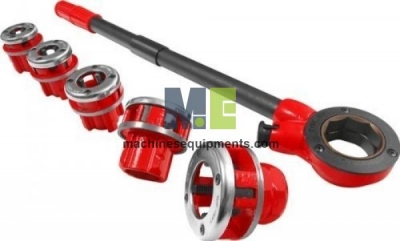
Hand Tools and Machines Zimbabwe
View range -
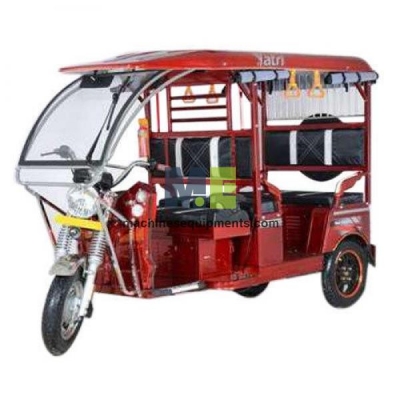
Battery Operated Three Wheelers Zimbabwe
View range -
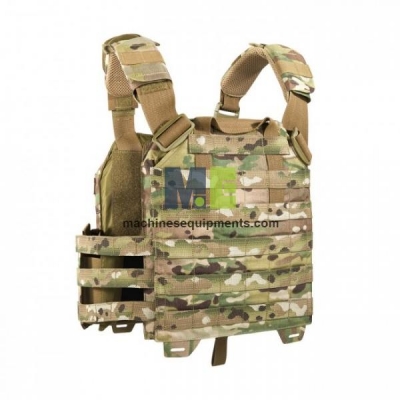
Army Equipment Zimbabwe
View range -
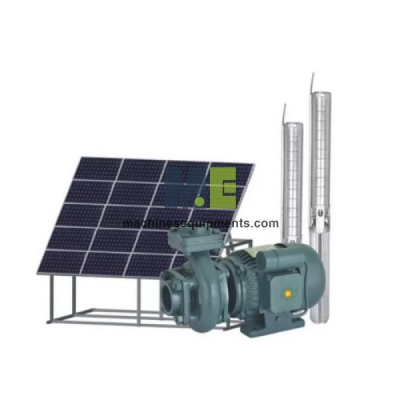
Solar System Products Zimbabwe
View range -
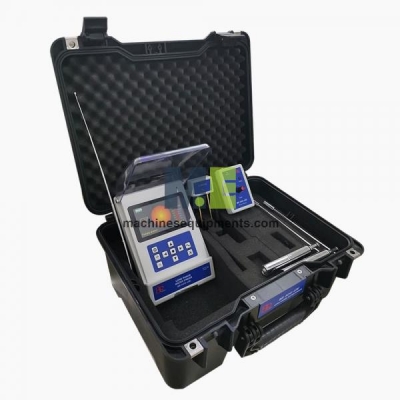
Industrial Tender Machines Zimbabwe
View range
Industrial machinery manufacturers and suppliers in Zimbabwe
Zimbabwe is landlocked, and equipment reaches it through one of three corridors, each with different cost and transit implications. It is also a market where import conformity assessment is enforced strictly, so the paperwork matters as much as the machinery. We quote Zimbabwe with both of those realities built in rather than discovered at the border.
What Zimbabwean buyers specify
Agriculture and agro processing dominate. We supply maize milling plant — the single most requested category — along with oil expelling equipment for soya and sunflower, grain drying, cleaning and storage, and stockfeed production plant. Tobacco is a major export earner and takes its own handling, curing and grading equipment.
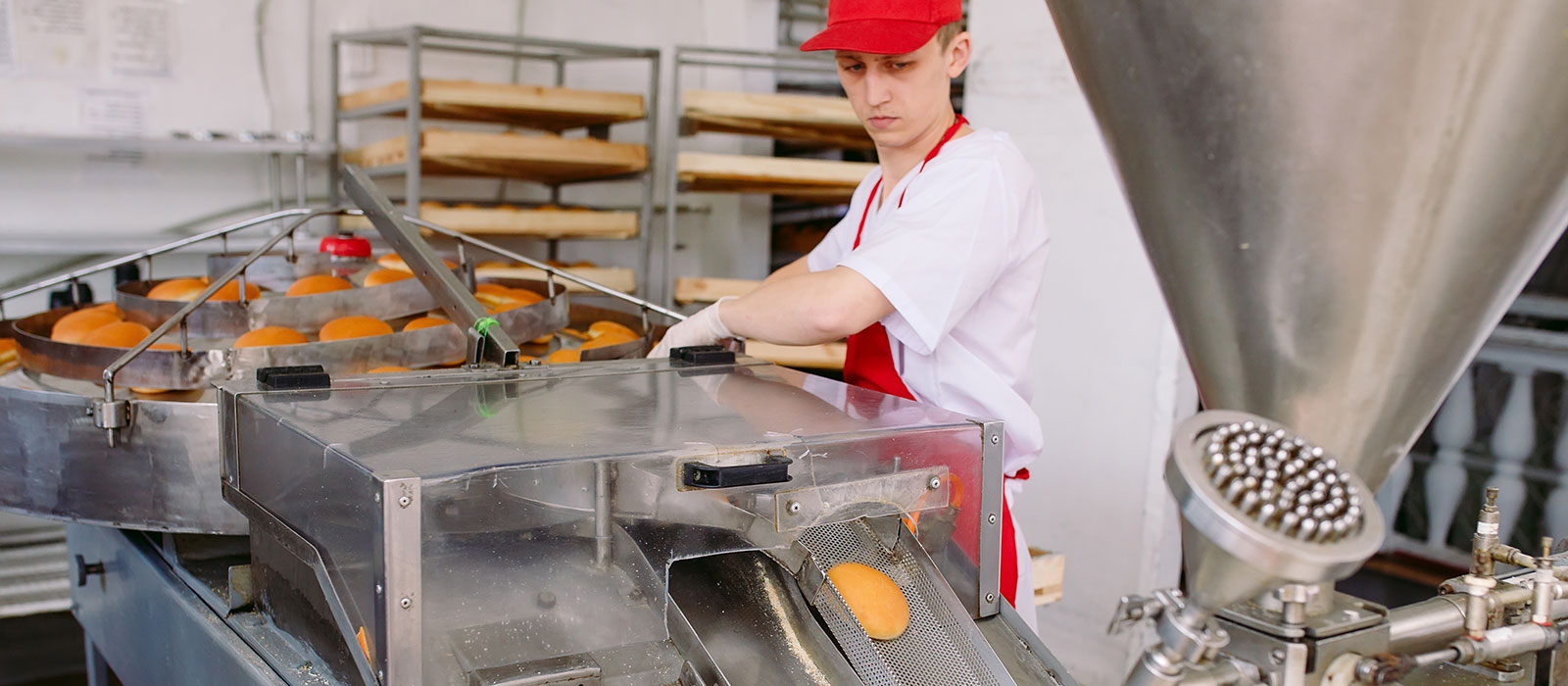
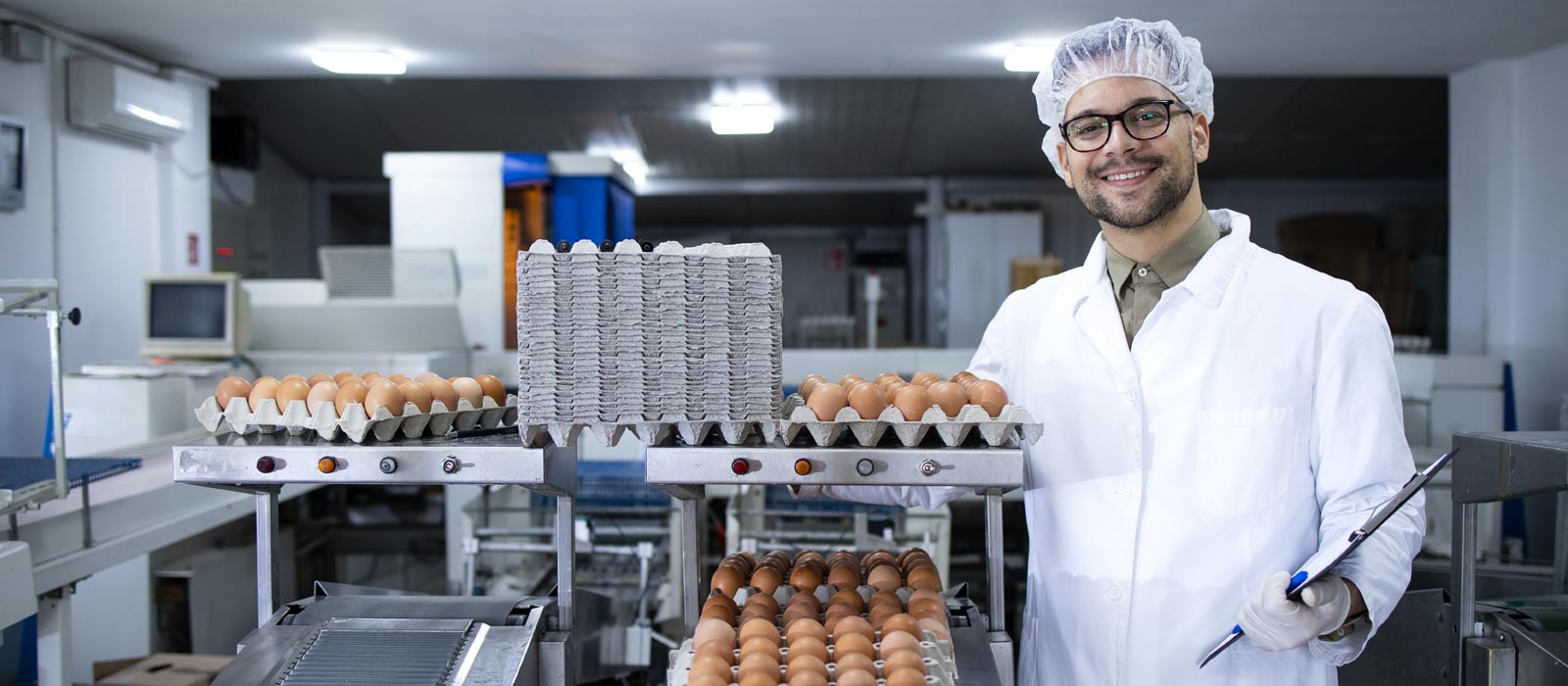
Food processing takes dairy plant, bakery equipment, juice and beverage lines, and meat processing and abattoir equipment. Cold storage and refrigeration are consistently in demand, driven by horticulture and the fresh produce trade. The mining sector — gold, platinum, chrome and increasingly lithium — takes construction machinery, drilling and bore well rigs, ground engineering plant and workshop equipment. Solar systems and water pumping equipment sell well against an unreliable grid.
Shipping to Zimbabwe
Consignments route through Beira in Mozambique, which is the shortest and usually the cheapest option for Harare and the east; through Durban in South Africa, which is slower but well served and often preferred for high-value plant; or through Walvis Bay for the western side of the country. Onward haulage clears at Forbes, Beitbridge or Plumtree depending on the corridor.
Zimbabwe operates a consignment-based conformity assessment programme, which means a certificate of conformity is generally required before goods are shipped, not after they arrive. Attempting to sort this out at the border is expensive. We prepare the technical documentation for that assessment alongside the packing list, commercial invoice and certificate of origin, so the certificate is in place before the container moves.
Built for local conditions
Zimbabwe runs on 220 V at 50 Hz, with Type D and G sockets both in use. Equipment is built to that supply at the order stage. Grid reliability is a genuine design constraint rather than an inconvenience — a substantial proportion of the plant we ship to Zimbabwe is specified to run on a generator, with starting loads staged so the set is not tripped when the line comes up. Manuals and control labelling are supplied in English.
Tender and bulk supply
Public procurement runs through a regulated tender process, and we supply against ministry and parastatal tenders, local authority purchases, and donor and NGO programmes operating in agriculture and water. We provide technical specifications and compliance documentation in the format required, together with manufacturer authorisation letters where the bid asks for them.
For distributors and milling groups buying several units, we consolidate into a single shipment, which reduces both freight and the conformity assessment burden compared with several separate consignments.
Getting a price
Tell us the product, the throughput you need per hour, and which border you intend to clear at — Beira, Beitbridge or Plumtree changes the delivered cost noticeably. Say whether the site runs on grid, generator or both. You get a machine list, the conformity documentation plan, a delivered price and a lead time in writing.
Installation and support in Zimbabwe
We commission on site and train operators. Zimbabwe has a strong engineering tradition and a well-established base of maintenance skill, particularly in Harare and Bulawayo, so plants we install here are generally maintained locally without difficulty once the training is done. Wear parts are identified with their specifications at handover so they can be reordered or, where the item is standard, sourced from South Africa rather than from us.
Payment, currency and phased delivery
Currency and payment arrangements in Zimbabwe are more complex than in most of our markets, and buyers here often need a quotation structured to fit a specific banking or foreign-currency route. We hold quoted prices for a stated period so an approval can be obtained, and we will phase a line across two or three shipments where that suits a buyer's payment position better than a single consignment. If your bank or your funder requires the documentation presented in a particular form, send us the requirements and we will issue it that way rather than asking you to work around a standard template.
Manufacturers and suppliers in Zimbabwe
- Food Processing Plants and Line
- Relief Blankets and Tents
- Agricultural Machinery and Equipment
- Hand Tools and Machines
- Battery Operated Three Wheelers
- Army Equipment
- Solar System Products
- Industrial Tender Machines
- Garage Workshop Equipments
- Drilling and Bore Well Equipments
- 3D Printer Machine
- Agro Processing Equipments
- 3D Scanners Machine
- Water Irrigation Equipments
- Fire Detection System
- Fire Fighting Equipments
- Refrigeration and Cold Storage Equipments
- Wind Energy Equipment
- Computer, IT and ICT Equipment
- Cyber Security Equipments
- Traffic Safety Equipments
- Water Treatment Solutions
- Construction Machinery and Equipments
- Food Processing Equipment Line Machines Plants
- Power Distribution Equipment
- Power Generation Equipment
- Power Transmission Equipment
