
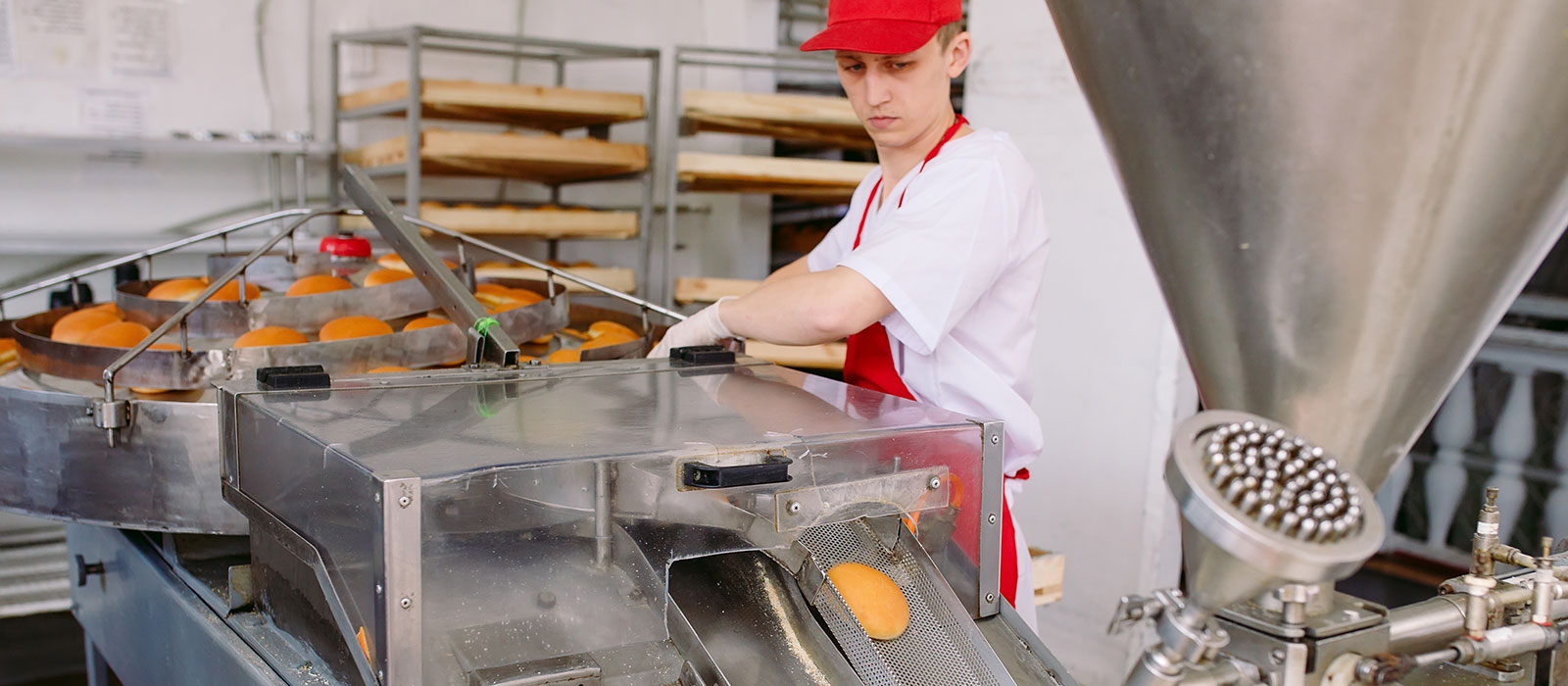
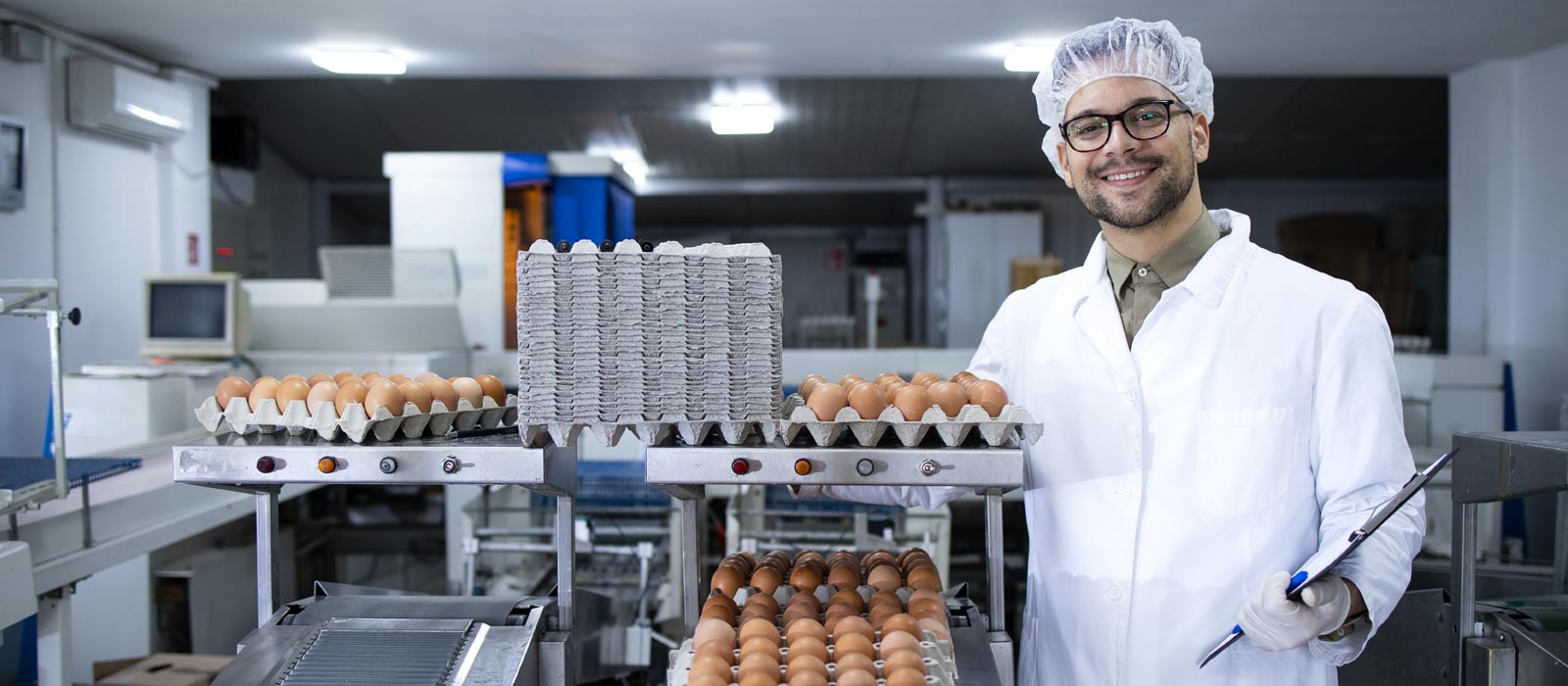

Suppliers, manufacturers and factory in Vietnam
Every division below ships to Vietnam as single units, as complete production lines, or consolidated into one bulk shipment against tender.
-
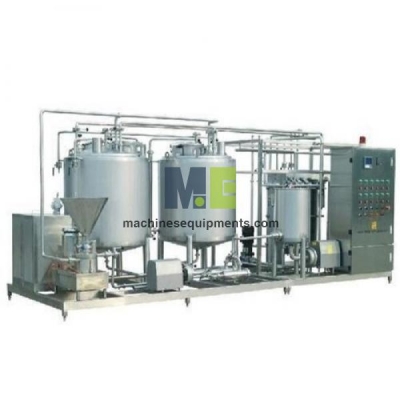
Food Processing Plants and Line Vietnam
View range -
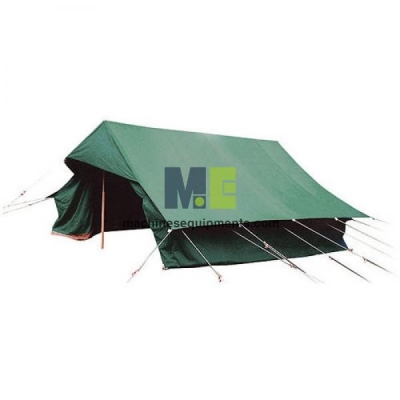
Relief Blankets and Tents Vietnam
View range -
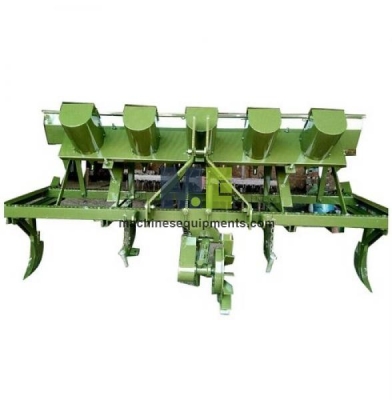
Agricultural Machinery and Equipment Vietnam
View range -
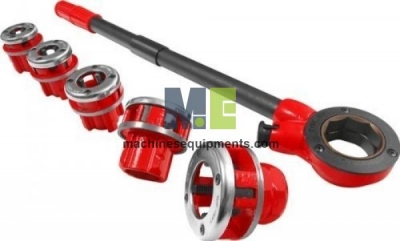
Hand Tools and Machines Vietnam
View range -
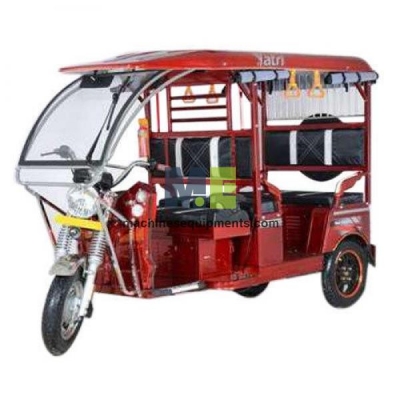
Battery Operated Three Wheelers Vietnam
View range -
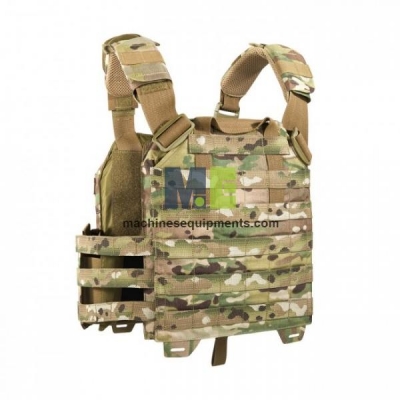
Army Equipment Vietnam
View range -
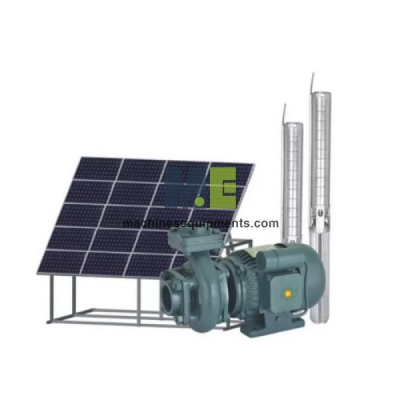
Solar System Products Vietnam
View range -
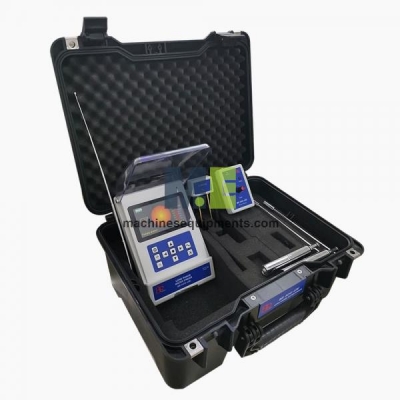
Industrial Tender Machines Vietnam
View range
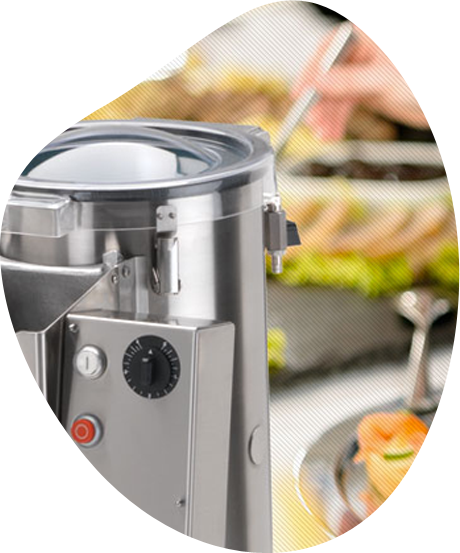
Industrial machinery manufacturers and suppliers in Vietnam
Vietnam is one of the fastest-industrialising markets we supply, and the pace shows in the enquiries. Buyers here are frequently equipping new capacity rather than replacing worn plant, timelines are tight, and the specification is usually driven by the requirements of an export customer rather than by the domestic market. That last point matters more than anything else in how we quote.
What Vietnamese buyers specify
Food processing leads and is heavily export-oriented. We supply coffee processing plant for the world's second largest producer; rice milling and processing; seafood and shrimp lines with the freezing and cold chain to match; cashew and nut processing; and fruit processing for dragon fruit, mango and other tropical crops. Pepper, cinnamon and spice processing serve another significant export sector.
Beyond food, Vietnam takes textile and garment ancillary equipment, packaging machinery, cold storage and refrigeration plant on a large scale, water treatment equipment for industrial parks and municipalities, and workshop and materials handling equipment.
Shipping to Vietnam
Consignments route through Hai Phong for the north and the Hanoi industrial region, or through Cat Lai and the Ho Chi Minh City port complex for the south. Da Nang serves the centre. The choice matters commercially as well as logistically — Vietnam is a long country and moving heavy plant from one end to the other is expensive, so entering at the port nearest the site is usually worth more than any saving on freight rate.
Shipments leave with the packing list, commercial invoice, certificate of origin and any inspection or conformity certificates required. Vietnamese customs procedures are electronic and increasingly strict on documentation consistency, and a declaration that matches the paperwork exactly clears substantially faster.
Built for local conditions
Vietnam runs on 220 V at 50 Hz, with Type A, C and F sockets encountered. Equipment is built to the site supply at the order stage. Humidity is high year-round and monsoon conditions are pronounced, so electrical enclosures, control cabinets and cooling systems are specified for condensation and corrosion rather than for a temperate installation. Manuals and control panel labelling can be supplied in English or Vietnamese, and Vietnamese labelling for operator-facing controls is normally expected.
Export standards and buyer audits
This is the decisive factor for most Vietnamese food processing projects. Output is destined for Japan, Korea, the European Union or North America, and the buyer in that market will audit the facility. Their requirements reach directly into the equipment: food contact material certificates, surface finish and cleanability, design that allows inspection, and documentation an auditor will accept on the day. We supply material certificates and technical files for contact parts as part of handover rather than in response to a later request. Name your export market at the enquiry stage and we will specify to it from the start — retrofitting compliance into an installed plant is far more expensive than building it in.
Project timing and industrial parks
A great deal of new Vietnamese capacity is built inside industrial parks with their own approval processes, utility connections and construction schedules. The delivery date that matters is not the earliest we can ship but the point at which the building is ready. Tell us the construction programme and we will build the manufacturing schedule around it, staging delivery across more than one consignment where the installation sequence calls for it.
Installation and support
We commission on site and train operators. Vietnam has a rapidly deepening industrial skill base, and our aim is to leave a plant the client's own engineers can run and maintain. Wear parts are identified with their specifications at handover so they can be reordered or sourced regionally.
Getting a price
Send the product, the output you need per hour, the port nearest your site, and the export market your output is going to. If the project sits inside an industrial park, tell us the construction timeline. You get a machine list, a delivered price and a lead time in writing.
Labour, automation and the right level of it
Vietnamese wage costs have risen steadily, and buyers increasingly ask whether a more automated line justifies its cost. The honest answer depends on shift pattern, product mix and how often changeovers occur, and it is not always yes — a highly automated line running a single product on three shifts pays back quickly, while the same line handling frequent changeovers on one shift often does not. We will set out the options with the labour requirement of each rather than steering you toward the largest sale. Tell us your shift pattern and how many product changes you run in a week and we will give you a straight comparison.
Manufacturers and suppliers in Vietnam
- Food Processing Plants and Line
- Relief Blankets and Tents
- Agricultural Machinery and Equipment
- Hand Tools and Machines
- Battery Operated Three Wheelers
- Army Equipment
- Solar System Products
- Industrial Tender Machines
- Garage Workshop Equipments
- Drilling and Bore Well Equipments
- 3D Printer Machine
- Agro Processing Equipments
- 3D Scanners Machine
- Water Irrigation Equipments
- Fire Detection System
- Fire Fighting Equipments
- Refrigeration and Cold Storage Equipments
- Wind Energy Equipment
- Computer, IT and ICT Equipment
- Cyber Security Equipments
- Traffic Safety Equipments
- Water Treatment Solutions
- Construction Machinery and Equipments
- Food Processing Equipment Line Machines Plants
- Power Distribution Equipment
- Power Generation Equipment
- Power Transmission Equipment
