



Suppliers, manufacturers and factory in Trinidad and Tobago
Every division below ships to Trinidad and Tobago as single units, as complete production lines, or consolidated into one bulk shipment against tender.
-
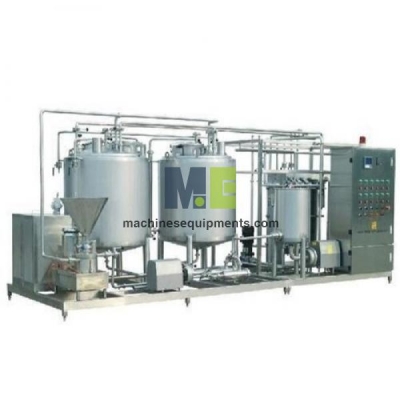
Food Processing Plants and Line Trinidad and Tobago
View range -
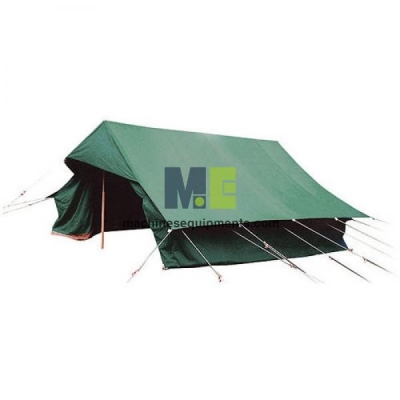
Relief Blankets and Tents Trinidad and Tobago
View range -
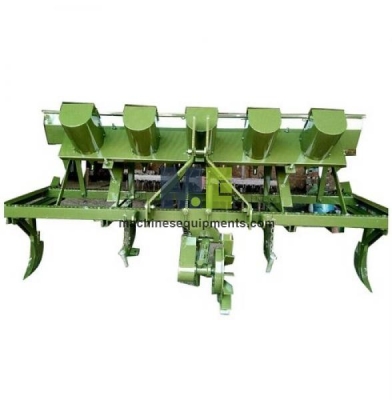
Agricultural Machinery and Equipment Trinidad and Tobago
View range -
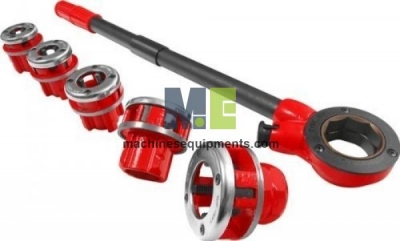
Hand Tools and Machines Trinidad and Tobago
View range -
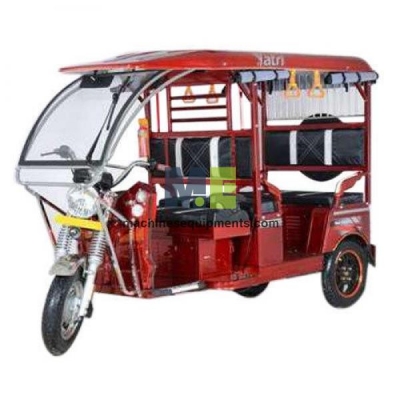
Battery Operated Three Wheelers Trinidad and Tobago
View range -
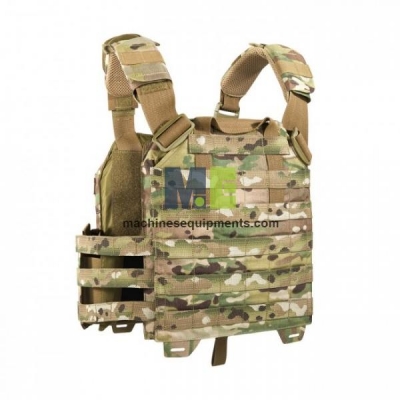
Army Equipment Trinidad and Tobago
View range -
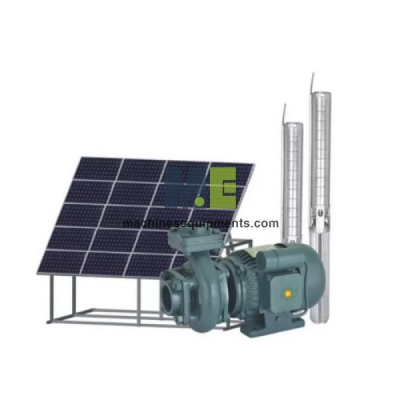
Solar System Products Trinidad and Tobago
View range -
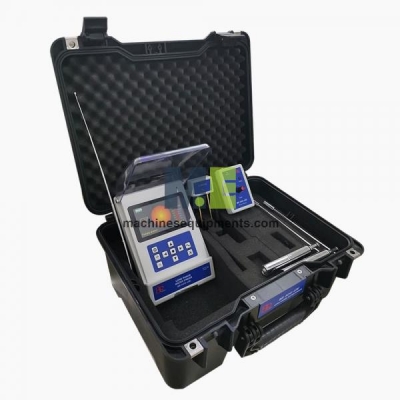
Industrial Tender Machines Trinidad and Tobago
View range
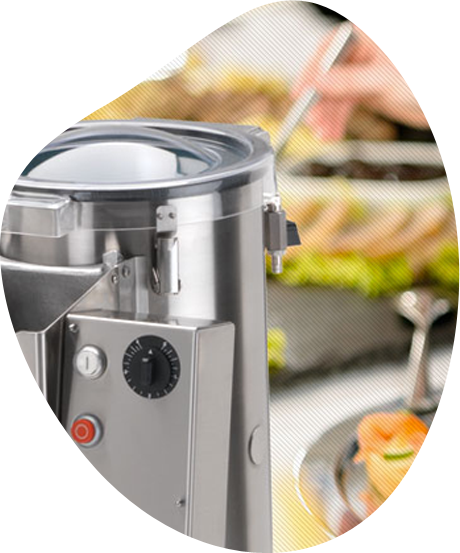
Industrial machinery manufacturers and suppliers in Trinidad and Tobago
Trinidad and Tobago is the industrial centre of the English-speaking Caribbean, and the buying profile reflects that. The energy and petrochemical sector sets the standard for technical documentation and safety compliance, and those expectations carry across into food processing and general manufacturing. It is also a natural distribution point for the wider CARICOM market.
What Trinidadian buyers specify
Food and beverage processing leads the non-energy demand. We supply beverage and bottling lines, juice and concentrate plant, bakery and confectionery equipment, snack production, sauces and condiments plant — a notable local speciality — and the packaging machinery that finishes them. Cold storage and refrigeration are in steady demand across food distribution, fisheries and catering.
The energy and industrial sector takes workshop and garage equipment, fire fighting and detection systems, water treatment plant, construction machinery and materials handling equipment. Agricultural and agro processing equipment serves cocoa, coconut and the smaller crop sectors.
Shipping to Trinidad and Tobago
Consignments route through Port of Spain for general cargo or Point Lisas for industrial and project cargo, which is usually the better choice for heavy plant given its links to the industrial estate. Inland distances are short. For onward movement into the eastern Caribbean, Trinidad functions as a transhipment point, so buyers supplying regional markets often clear here and redistribute.
Shipments leave with the packing list, commercial invoice, certificate of origin and any inspection or conformity certificates required for the product category, prepared to suit the requirements of Trinidadian customs and the national standards regime.
Built for local conditions
Trinidad and Tobago runs at 115 V and 230 V on 60 Hz, with Type A and B sockets in general use — the North American pattern rather than the British or European standard used in most of our other markets. This matters: motors, drives and control gear are specified for 60 Hz at the order stage, and equipment built for a 50 Hz market will not perform correctly. The climate is humid and, on coastal sites, salt-laden, so material specification takes corrosion into account. Manuals and control labelling are supplied in English.
Tender and bulk supply
Public procurement runs through a formal tender process, and state and state-linked enterprises in energy, water and utilities are significant buyers. We supply technical specifications and compliance documentation in the format required, along with manufacturer authorisation letters where the bid asks for them. Health and safety documentation tends to be scrutinised more closely here than in many markets, a carry-over from energy sector practice, and we prepare it accordingly.
Installation and support
We commission on site and train operators. Trinidad has a strong industrial maintenance sector built around the energy industry, and plants installed here generally transfer to local support without difficulty. Wear parts are identified with their specifications at handover so they can be reordered or sourced regionally.
Supplying the wider Caribbean
If you are buying to serve markets beyond Trinidad, tell us at the enquiry stage. Electrical standards are not uniform across the Caribbean — some territories run on the North American pattern and others on the British one — and equipment specified for onward sale needs to be built for where it will finally operate, not for where it clears customs.
Getting a price
Send the product, the output you need per hour, the port you prefer and the electrical supply at the site. Confirm whether the equipment stays in Trinidad or moves on into the region. You get a machine list, a delivered price and a lead time in writing.
Hurricane season and delivery planning
Trinidad sits at the southern edge of the Atlantic hurricane belt and is less exposed than most of the Caribbean, but shipping schedules across the region still tighten between June and November, and a consignment routed through a more exposed transhipment point can be delayed by weather that never reaches Trinidad itself. Where a delivery date is critical — tied to a plant shutdown, a construction handover or a production season — we plan the routing and the lead time with that in mind rather than quoting a best-case transit and hoping.
Energy sector documentation standards
Buyers connected to the energy and petrochemical industries typically require a documentation package well beyond what a food processing purchase would call for: material traceability, weld and pressure certification where applicable, electrical area classification, and safety case material an auditor will accept. That is a reasonable expectation and we will meet it, but it needs to be specified at the enquiry stage, because certification of that kind is built into the manufacturing process rather than added to the file afterwards. Tell us what your compliance regime requires and we will confirm what we can certify before you place the order rather than after.
Manufacturers and suppliers in Trinidad and Tobago
- Food Processing Plants and Line
- Relief Blankets and Tents
- Agricultural Machinery and Equipment
- Hand Tools and Machines
- Battery Operated Three Wheelers
- Army Equipment
- Solar System Products
- Industrial Tender Machines
- Garage Workshop Equipments
- Drilling and Bore Well Equipments
- 3D Printer Machine
- Agro Processing Equipments
- 3D Scanners Machine
- Water Irrigation Equipments
- Fire Detection System
- Fire Fighting Equipments
- Refrigeration and Cold Storage Equipments
- Wind Energy Equipment
- Computer, IT and ICT Equipment
- Cyber Security Equipments
- Traffic Safety Equipments
- Water Treatment Solutions
- Construction Machinery and Equipments
- Food Processing Equipment Line Machines Plants
- Power Distribution Equipment
- Power Generation Equipment
- Power Transmission Equipment
