

Suppliers, manufacturers and factory in Syria
Every division below ships to Syria as single units, as complete production lines, or consolidated into one bulk shipment against tender.
-
Food Processing Plants and Line Syria
View range -
Relief Blankets and Tents Syria
View range -
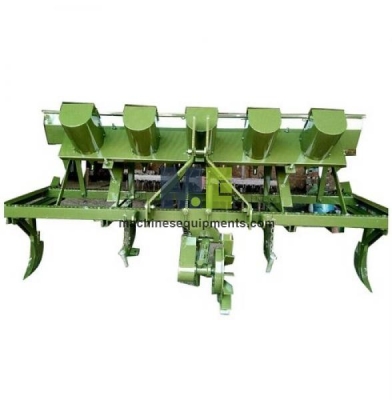
Agricultural Machinery and Equipment Syria
View range -
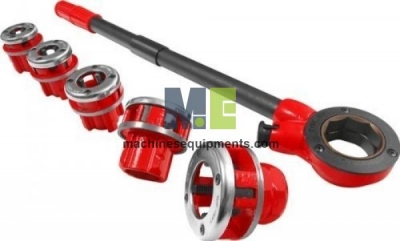
Hand Tools and Machines Syria
View range -
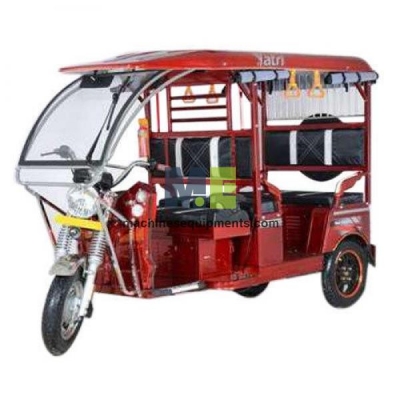
Battery Operated Three Wheelers Syria
View range -
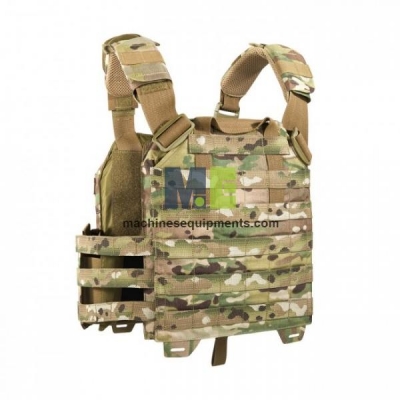
Army Equipment Syria
View range -
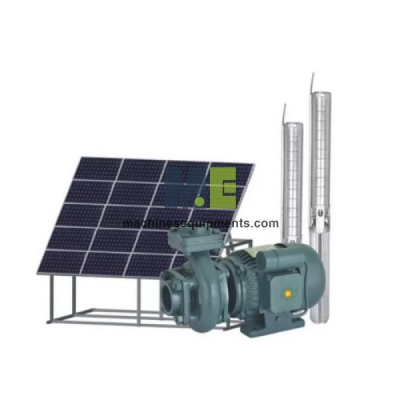
Solar System Products Syria
View range -
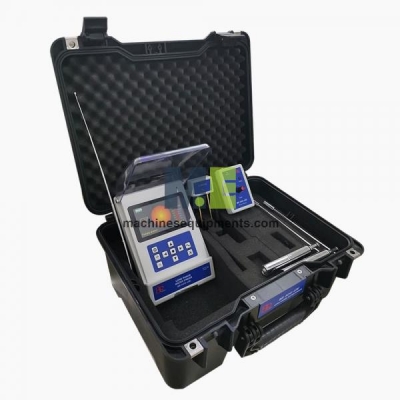
Industrial Tender Machines Syria
View range
Industrial machinery manufacturers and suppliers in Syria
Syria is a market where the practical and regulatory environment has to be addressed before the engineering, and we would rather do that openly at the enquiry stage than discover an obstacle after a specification has been agreed. Where a transaction can be completed lawfully and payment can be routed, the machinery demand is real and largely reconstructive — processing capacity that existed before and is being re-established.
Before anything else: compliance and payment
International restrictions affect what may be supplied to Syria, who may be supplied, and how payment may be routed, and those restrictions change over time. We assess every Syrian enquiry against the rules that apply to us at the time it is made, and we will tell you plainly and early if we cannot proceed rather than allowing a discussion to run and then withdrawing. Banking arrangements are the second practical constraint and are frequently the longest part of any transaction. If you have a route that works, tell us at the outset; if you are unsure, raise it before either side invests time in a specification.
We would rather give you a clear answer in the first exchange than a slow one after three months.
What Syrian buyers specify
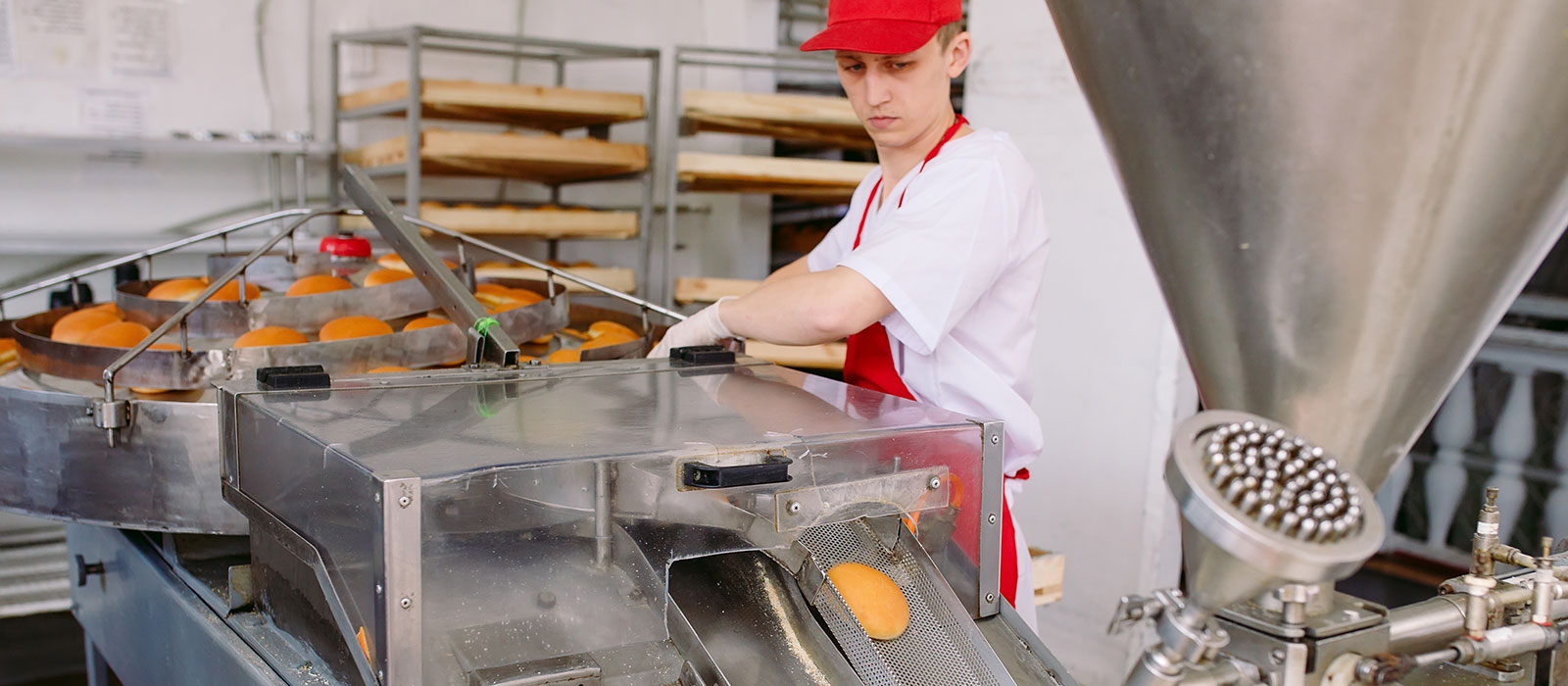
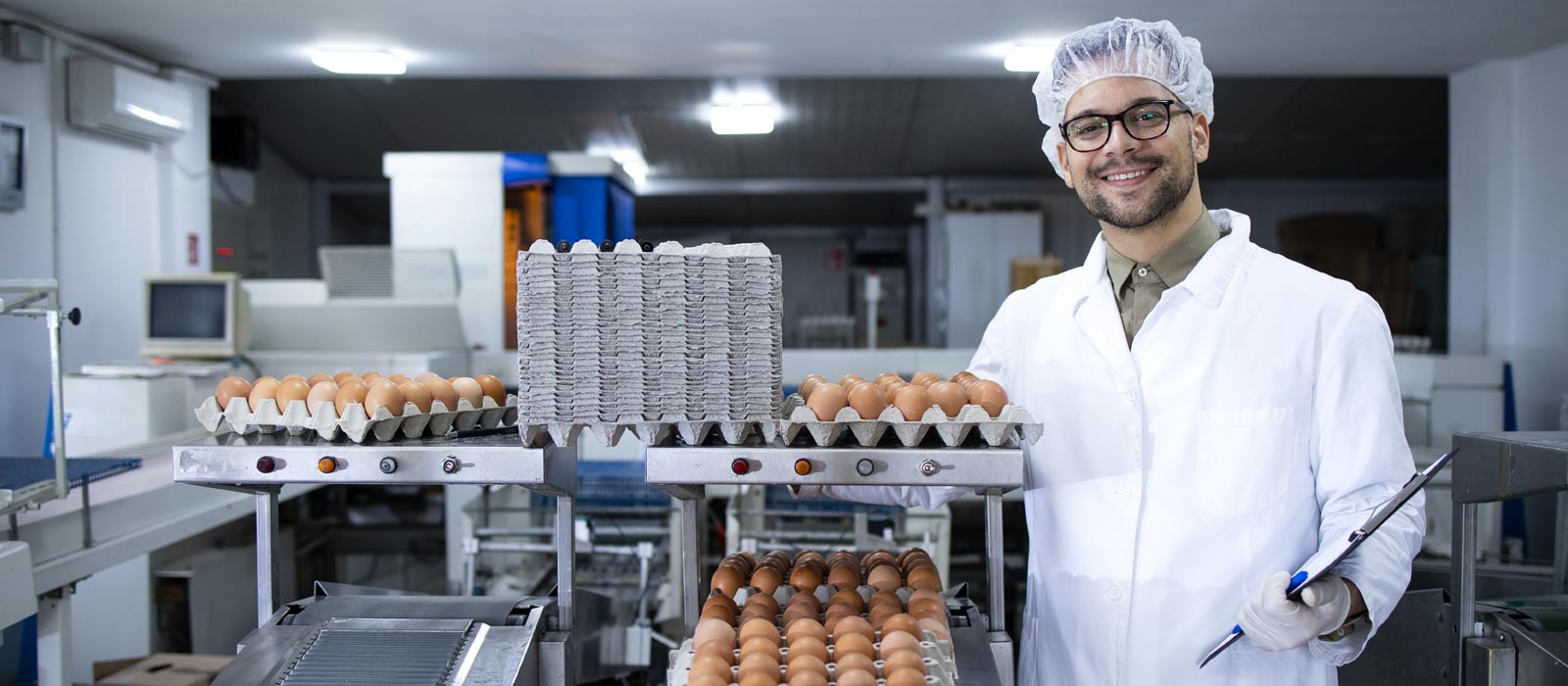
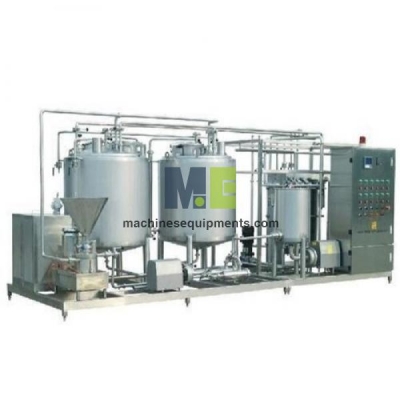
Food processing dominates the demand we see. Olive oil extraction and refining serve one of the country's traditional products; flour milling is fundamental to food supply; and there is demand for dairy processing, bakery and confectionery equipment, juice and beverage lines, and food packaging machinery. Preserved and dried food processing serves both domestic consumption and traditional export lines.
Beyond food, water treatment and pumping plant is a persistent requirement, as is generator and power equipment, cold storage and refrigeration, and small-scale construction and workshop machinery for rebuilding work.
Shipping to Syria
Where a shipment can proceed, consignments route through Latakia or Tartus on the Mediterranean coast, with onward road haulage inland. Overland routes through neighbouring countries are used for some destinations. Routing and documentation both depend heavily on the circumstances of the individual transaction, and we confirm them case by case rather than quoting a standard arrangement.
Built for local conditions
Syria runs on 220 V at 50 Hz, with Type C, E and L sockets encountered depending on the age and origin of the installation. Equipment is built to the actual site supply at the order stage, and it is worth confirming what is genuinely available rather than assuming.
Power is the governing design constraint. Mains supply is limited and intermittent across much of the country, and a great deal of industry runs on private generation. Plant is specified with staged starting loads, soft starters where duty justifies them, and control systems that recover cleanly from an interruption rather than requiring a full manual restart. Tell us the generator rating at the site and we will size the line to it. Summer ambient temperatures are high and dust loading significant, so cooling and filtration are specified accordingly. Manuals and control labelling can be supplied in Arabic or English.
Serviceability and spares
Resupply into Syria is slow and uncertain, which changes what we recommend rather than only how we install. Where a simpler and more robust machine will do the job we will say so, because a plant that stops for want of a part that takes months to arrive produces nothing. We recommend taking a substantial spares holding with the plant rather than ordering reactively, and we will build that recommendation around the actual duty of your line — seals, belts, bearings, screens and the specific control panel components that are cheap individually and impossible to improvise.
Getting a price
Raise the compliance and payment position in your first message. Then send the product, the output you need per hour, the destination, and the power available at the site including generator rating. If we can proceed, you get a machine list, a delivered price and a lead time in writing. If we cannot, you will know quickly.
Rebuilding existing plant rather than starting new
Much of what we are asked about in Syria concerns restarting or repairing capacity that already exists rather than building from nothing. That is a different specification problem: a replacement unit has to match the throughput of what sits either side of it, accept the same input condition and fit a building that was laid out for something else. If you are replacing within an existing line, send the makes, capacities and any drawings you still hold for the adjacent machines. Where original documentation has been lost we will work from measurements and photographs instead — it is slower but it is workable, and it is better than specifying blind.
Manufacturers and suppliers in Syria
- Food Processing Plants and Line
- Relief Blankets and Tents
- Agricultural Machinery and Equipment
- Hand Tools and Machines
- Battery Operated Three Wheelers
- Army Equipment
- Solar System Products
- Industrial Tender Machines
- Garage Workshop Equipments
- Drilling and Bore Well Equipments
- 3D Printer Machine
- Agro Processing Equipments
- 3D Scanners Machine
- Water Irrigation Equipments
- Fire Detection System
- Fire Fighting Equipments
- Refrigeration and Cold Storage Equipments
- Wind Energy Equipment
- Computer, IT and ICT Equipment
- Cyber Security Equipments
- Traffic Safety Equipments
- Water Treatment Solutions
- Construction Machinery and Equipments
- Food Processing Equipment Line Machines Plants
- Power Distribution Equipment
- Power Generation Equipment
- Power Transmission Equipment
