
Suppliers, manufacturers and factory in Suriname
Every division below ships to Suriname as single units, as complete production lines, or consolidated into one bulk shipment against tender.
-
Food Processing Plants and Line Suriname
View range -
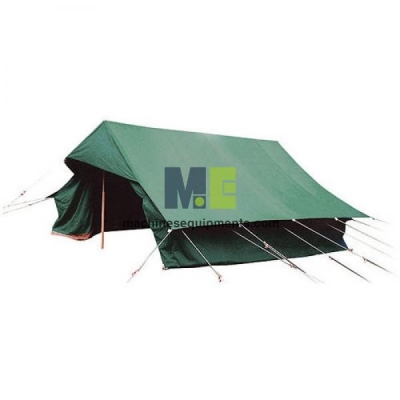
Relief Blankets and Tents Suriname
View range -
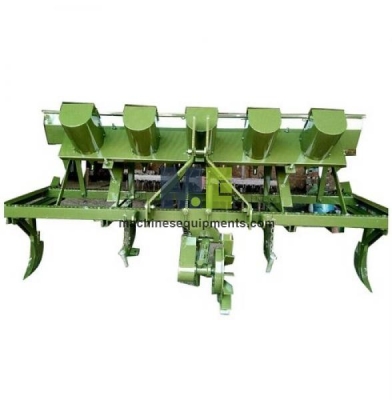
Agricultural Machinery and Equipment Suriname
View range -
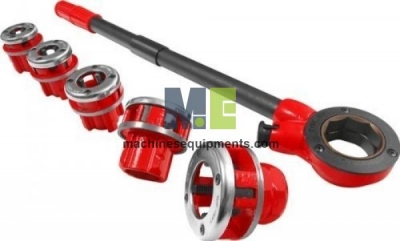
Hand Tools and Machines Suriname
View range -
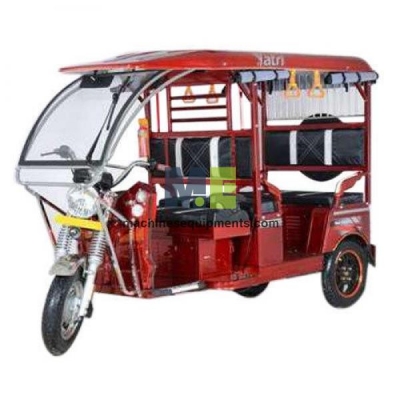
Battery Operated Three Wheelers Suriname
View range -
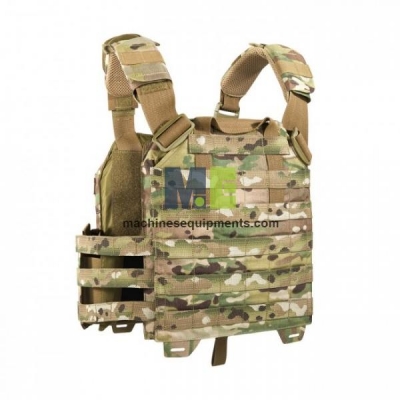
Army Equipment Suriname
View range -
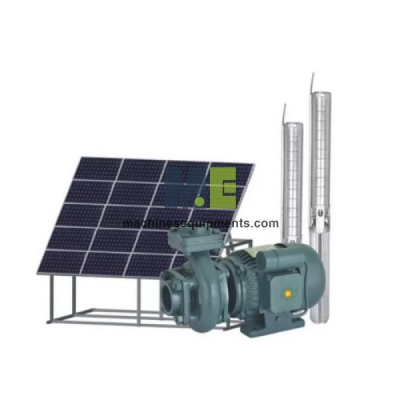
Solar System Products Suriname
View range -
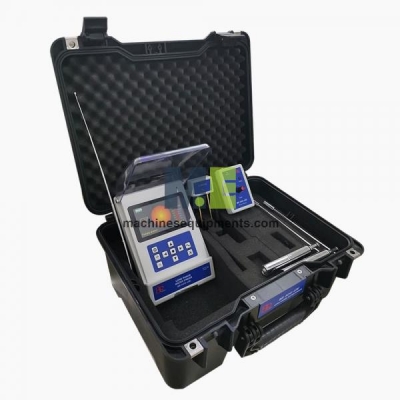
Industrial Tender Machines Suriname
View range
Industrial machinery manufacturers and suppliers in Suriname
Suriname is one of the smallest markets we serve by population and one of the more distinctive. It sits on the South American mainland but belongs commercially to the Caribbean, it is Dutch-speaking, and its economy runs on gold, oil, rice and timber. Recent offshore oil discoveries have begun to change the investment picture. Machinery demand is modest in volume but specific in character.
What Surinamese buyers specify
Rice milling leads. Suriname has a long-established rice industry in the coastal districts, and we supply milling plant across the range along with the drying, cleaning, grading and colour sorting equipment that determines export grade.
Beyond rice, we ship fruit and vegetable processing for bananas, citrus and tropical crops; fish and shrimp processing with the freezing and cold chain the export trade depends on; and timber and wood processing equipment serving a substantial forestry sector. Bakery equipment, beverage lines and food packaging machinery serve the domestic market. Cold storage and refrigeration are consistently in demand, and water treatment plant, generators and solar system products sell against variable infrastructure, particularly in the interior.
Shipping to Suriname
Consignments route through Paramaribo, the principal port on the Suriname River, which handles effectively all containerised trade. Vessel size is limited by the river approach, so very large single items may need to be broken into modules — worth establishing at the quotation stage rather than at the quay. Coastal destinations are within reach by road, but the interior is served largely by river and air, and any plant destined beyond the coastal strip needs its delivery route confirmed before manufacture.
Shipments leave with the packing list, commercial invoice, certificate of origin and any inspection certificates required.
Built for local conditions
Suriname runs at 127 V and 220 V on 60 Hz, with Type C and F sockets in use. Both halves of that matter. The frequency is 60 Hz, not the 50 Hz standard across Europe, Africa and most of Asia, so equipment built for a 50 Hz market will not run correctly — motor speed, output and thermal behaviour all change. And the socket standard is European while the voltage and frequency are not, which is an unusual combination that catches suppliers out. We build motors, drives and control gear to the actual site supply at the order stage; tell us the voltage and phase available and we will match it rather than assume.
The climate is equatorial, hot and very humid with heavy rainfall, so enclosures, control cabinets and cooling systems are specified for condensation and corrosion. Manuals and control labelling can be supplied in Dutch or English, both of which are used in Surinamese industry.
Sizing for a small market
With a population under a million, a plant sized on a regional template will run far below its efficient operating point if it serves Suriname alone. That costs more per unit in energy and makes consistency harder to hold. Where output is destined for export — rice and seafood both are — the calculation changes, but it should be made deliberately. Tell us your realistic domestic volume and your export ambition separately and we will show you where sensible capacity sits.
Spares and support
Resupply to a small market at the end of a long shipping route takes time, so we recommend agreeing a spares holding with the plant rather than ordering reactively. Wear parts are identified with their specifications at handover so they can be held on site or sourced from the Caribbean or Brazil where the item is standard, which is usually faster than reordering from us.
Getting a price
Send the product, the output you need per hour, the destination district, and the electrical supply at the site — voltage, phase and frequency. If the plant is going into the interior, say so early. You get a machine list, a delivered price and a lead time in writing.
Working with an offshore-driven economy
Offshore oil development has begun to change investment conditions in Suriname, and buyers connected to that sector often require a documentation package beyond what a food processing purchase would need: material traceability, certification where pressure or hazardous area classification applies, and safety documentation an auditor will accept. That is a reasonable requirement but it must be specified before manufacture, because certification of that kind is built into the process rather than added to the file afterwards. Tell us what your compliance regime demands and we will confirm what we can certify before you order rather than after.
Manufacturers and suppliers in Suriname
- Food Processing Plants and Line
- Relief Blankets and Tents
- Agricultural Machinery and Equipment
- Hand Tools and Machines
- Battery Operated Three Wheelers
- Army Equipment
- Solar System Products
- Industrial Tender Machines
- Garage Workshop Equipments
- Drilling and Bore Well Equipments
- 3D Printer Machine
- Agro Processing Equipments
- 3D Scanners Machine
- Water Irrigation Equipments
- Fire Detection System
- Fire Fighting Equipments
- Refrigeration and Cold Storage Equipments
- Wind Energy Equipment
- Computer, IT and ICT Equipment
- Cyber Security Equipments
- Traffic Safety Equipments
- Water Treatment Solutions
- Construction Machinery and Equipments
- Food Processing Equipment Line Machines Plants
- Power Distribution Equipment
- Power Generation Equipment
- Power Transmission Equipment
