
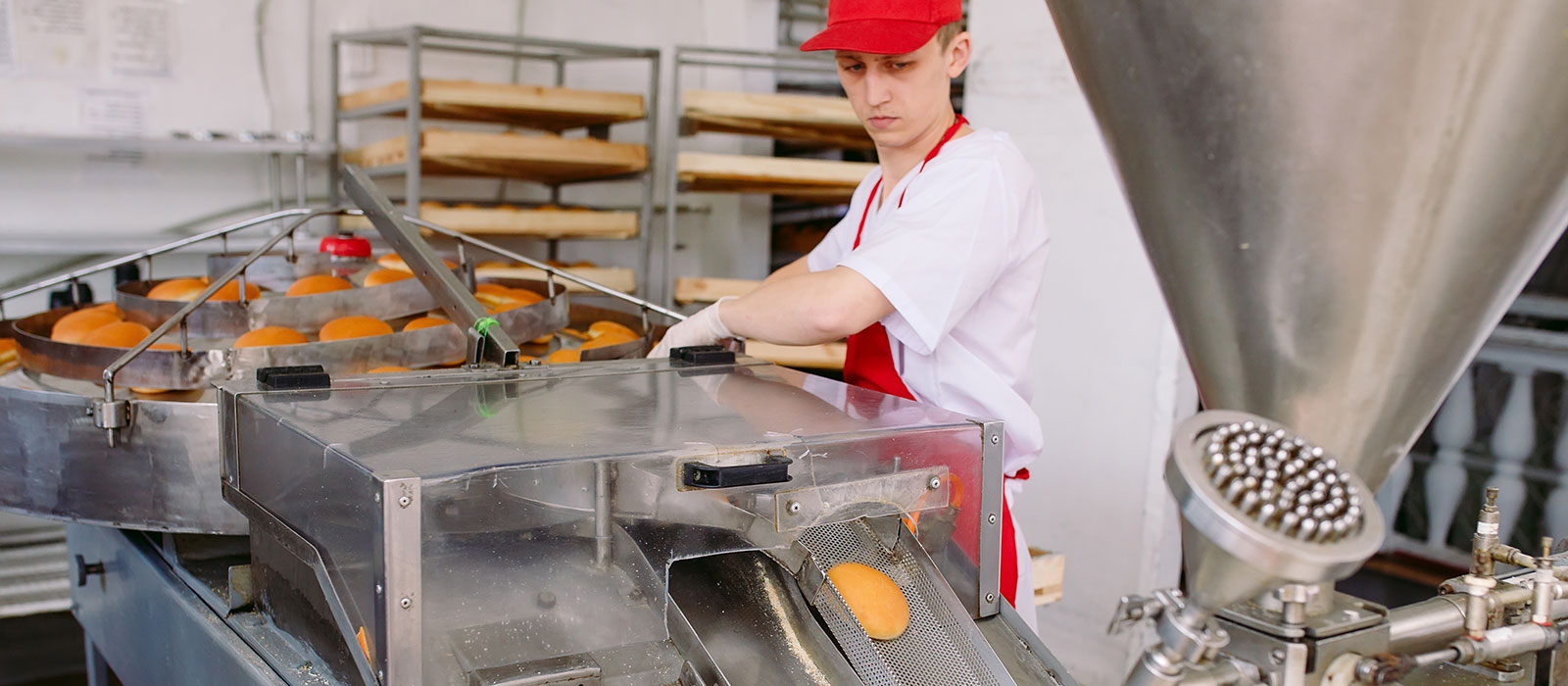
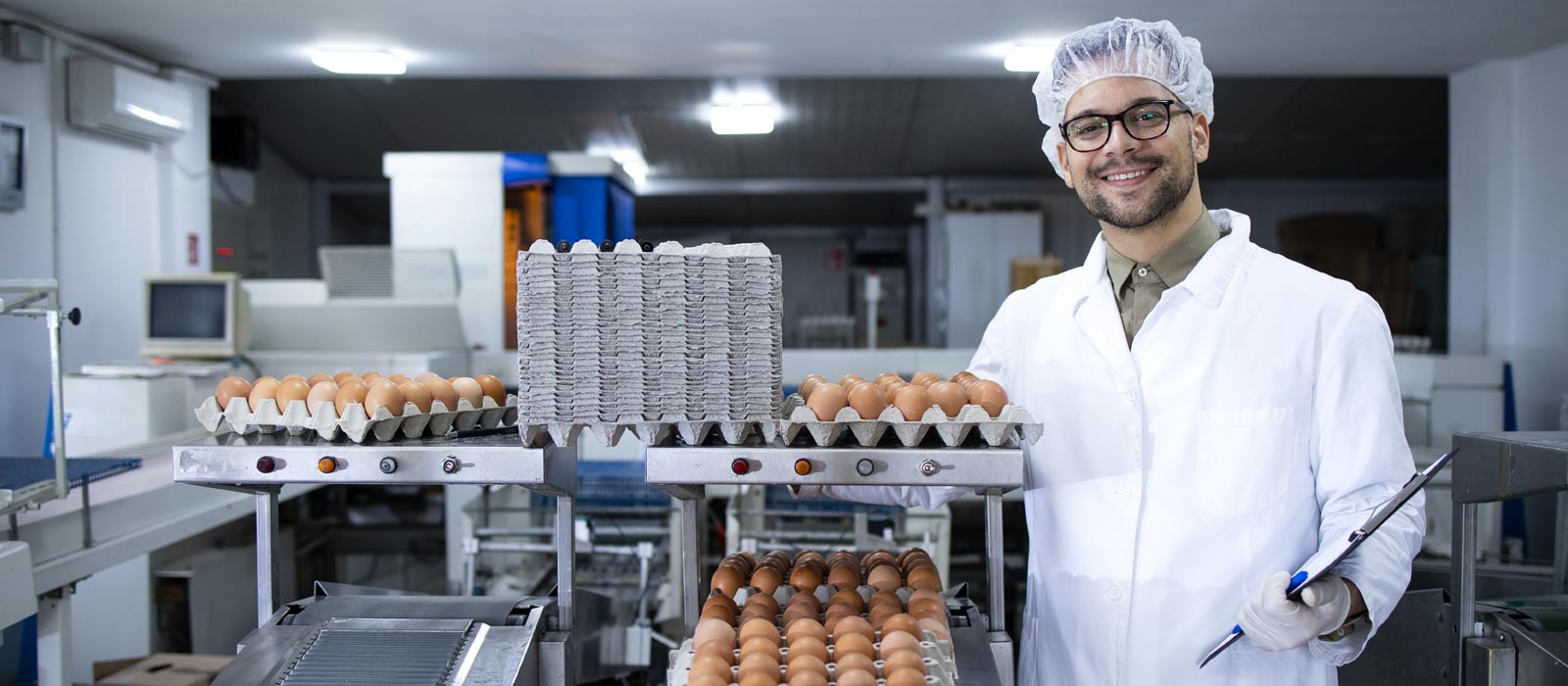
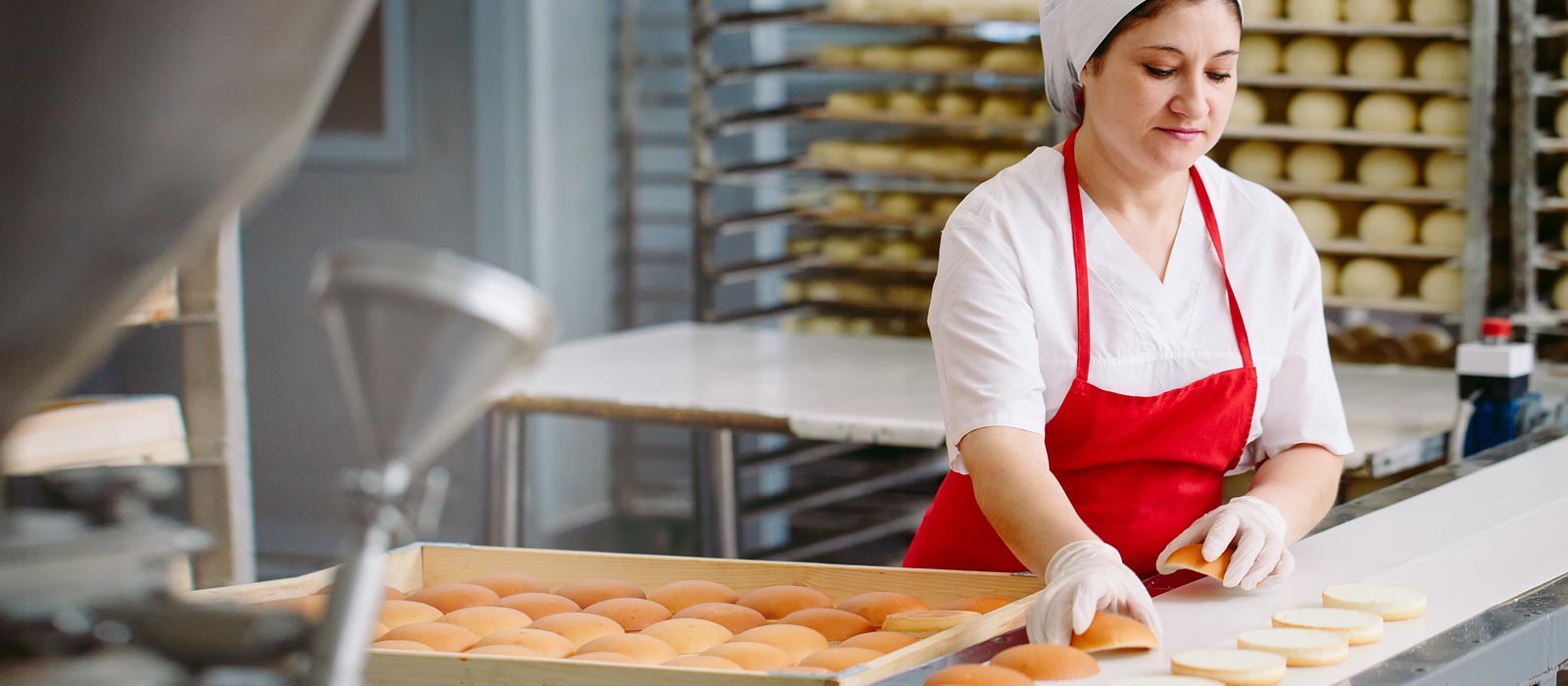
Suppliers, manufacturers and factory in Sri Lanka
Every division below ships to Sri Lanka as single units, as complete production lines, or consolidated into one bulk shipment against tender.
-
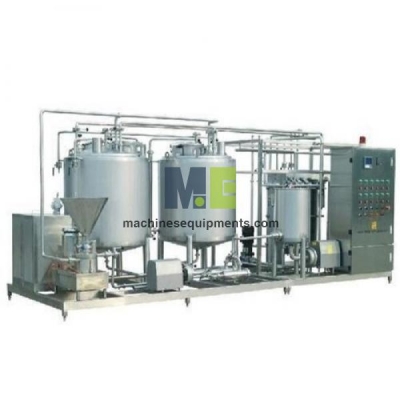
Food Processing Plants and Line Sri Lanka
View range -
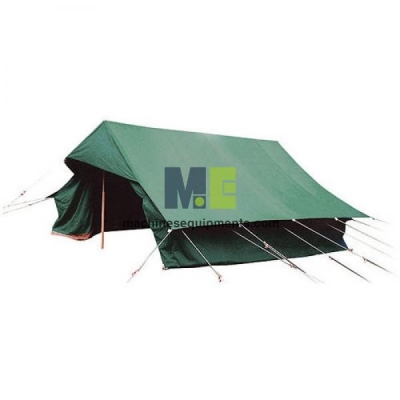
Relief Blankets and Tents Sri Lanka
View range -
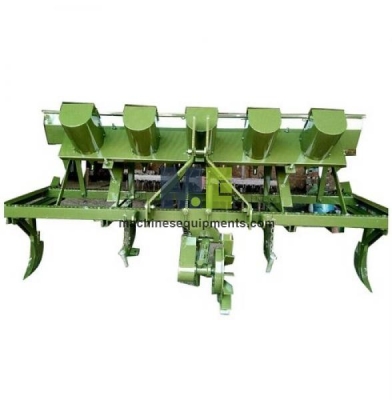
Agricultural Machinery and Equipment Sri Lanka
View range -
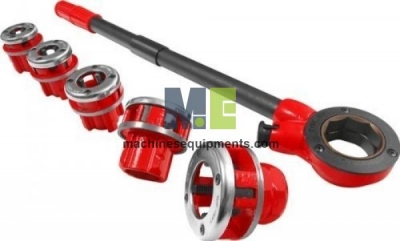
Hand Tools and Machines Sri Lanka
View range -
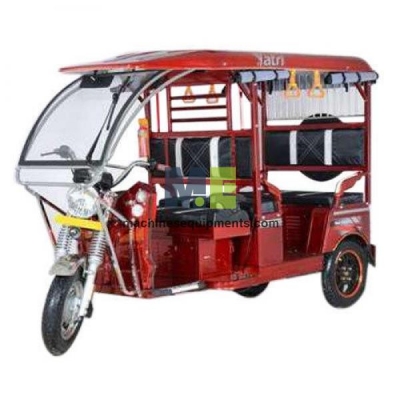
Battery Operated Three Wheelers Sri Lanka
View range -
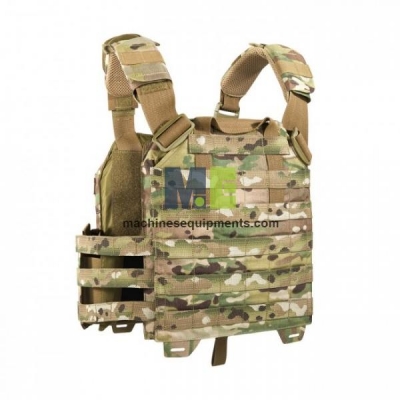
Army Equipment Sri Lanka
View range -
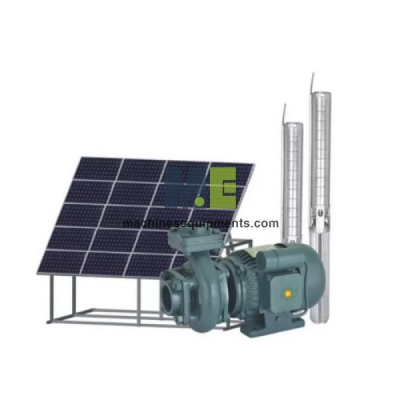
Solar System Products Sri Lanka
View range -
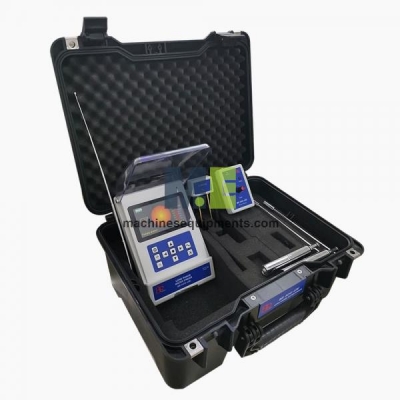
Industrial Tender Machines Sri Lanka
View range
Industrial machinery manufacturers and suppliers in Sri Lanka
Sri Lanka is our largest single market by search demand, and the enquiries that come from it cluster tightly around the industries that earn the island its foreign exchange: tea, coconut, rubber, spices, fisheries and apparel. We manufacture and export the processing machinery those sectors run on, supplied either as individual machines to replace worn units or as complete turnkey lines for a new facility.
What Sri Lankan buyers specify
Tea remains the anchor. We supply withering, rolling, drying, sorting and grading equipment, along with the packing and tea-bagging machinery that lets a factory move up the value chain rather than shipping bulk leaf. Coconut is the second pillar — desiccated coconut lines, coconut oil expelling and refining, coir processing and shell charcoal equipment all move through Sri Lankan ports in volume. Beyond those, we ship rice milling plant for the paddy-growing districts, spice grinding and cinnamon processing equipment, fish and prawn processing lines with the cold chain to support them, and rubber processing machinery for the plantation sector.
Bakery, confectionery and beverage equipment goes to the domestic manufacturing sector serving Colombo and the larger towns, and we supply cold room and blast freezing plant to fisheries, dairy and the hotel supply chain.
Shipping to Sri Lanka
Consignments route through the Port of Colombo, one of the busiest transhipment hubs in South Asia and the natural entry point for machinery bound for the Western Province and the central highlands. Hambantota serves the south and is increasingly used for project cargo, and Trincomalee handles traffic for the east. Inland haulage from Colombo to Kandy, Nuwara Eliya or the tea districts is straightforward, though oversized items need routing checks for the hill-country roads before shipment.
Every consignment leaves with the packing list, commercial invoice and certificate of origin the shipment needs, and we prepare documentation to suit the requirements of Sri Lanka Customs and the Sri Lanka Standards Institution where a product falls under mandatory standards.
Built for local conditions
Sri Lanka runs on 230 V at 50 Hz, with Type D, G and M sockets in common use. Motors, control panels and switchgear are built to that specification at the order stage rather than adapted after the container is opened. Grid supply is generally reliable in the Western Province but less so in rural processing areas, so where a line will run on a generator we stage the starting loads to avoid tripping the set. Operator manuals and control labelling can be supplied in English, which is widely used in Sri Lankan industry.
Tender and bulk supply
A meaningful share of what we ship to Sri Lanka goes against public procurement — ministry programmes for agriculture and fisheries, provincial council tenders, and equipment for state-linked plantation companies. We supply technical specifications and compliance documentation in the format the tender asks for, together with the manufacturer authorisation letters most public bids require, and we consolidate multi-line orders into single shipments to hold down landed cost per unit.
For importers and distributors we also quote on a territory basis, which suits buyers who want to hold stock for the local market rather than order against confirmed sales.
Getting a price
Tell us the product you intend to process, the output you need per hour or per shift, and whether the equipment is going to Colombo or inland. If you are replacing a machine in an existing line, the makes and capacities already installed help us specify something that integrates rather than conflicts. You get a machine list, a plant layout where the order is a full line, a delivered price and a lead time in writing.
Installation and support in Sri Lanka
For a complete line we send engineers to commission on site and to train the operators who will run it, which matters more in tea and coconut processing than in most sectors because the quality of the finished product depends heavily on how the machine is set. Where a factory already has technical staff we train them to handle routine adjustment and maintenance themselves rather than leaving them dependent on a call abroad. Wear parts for the equipment we supply are identified at handover with their specifications, so they can be reordered or, where practical, sourced locally.
Working with the import environment
Sri Lanka has been through a period of significant restriction on capital goods imports and foreign currency availability, and while conditions have eased, buyers here plan purchases around bank facilities more carefully than in most markets. We quote in a form that supports an LC application, hold prices for a stated period so a facility can be arranged, and phase shipments where a buyer would rather bring a line in over two or three consignments than commit to one large payment. If your bank needs the quotation restructured to fit its documentation requirements, tell us and we will reissue it.
Manufacturers and suppliers in Sri Lanka
- Food Processing Plants and Line
- Relief Blankets and Tents
- Agricultural Machinery and Equipment
- Hand Tools and Machines
- Battery Operated Three Wheelers
- Army Equipment
- Solar System Products
- Industrial Tender Machines
- Garage Workshop Equipments
- Drilling and Bore Well Equipments
- 3D Printer Machine
- Agro Processing Equipments
- 3D Scanners Machine
- Water Irrigation Equipments
- Fire Detection System
- Fire Fighting Equipments
- Refrigeration and Cold Storage Equipments
- Wind Energy Equipment
- Computer, IT and ICT Equipment
- Cyber Security Equipments
- Traffic Safety Equipments
- Water Treatment Solutions
- Construction Machinery and Equipments
- Food Processing Equipment Line Machines Plants
- Power Distribution Equipment
- Power Generation Equipment
- Power Transmission Equipment
