
Suppliers, manufacturers and factory in South Korea
Every division below ships to South Korea as single units, as complete production lines, or consolidated into one bulk shipment against tender.
-
Food Processing Plants and Line South Korea
View range -
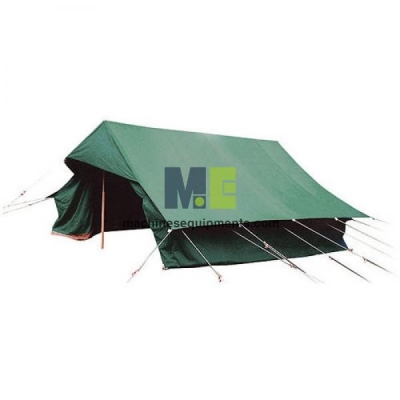
Relief Blankets and Tents South Korea
View range -
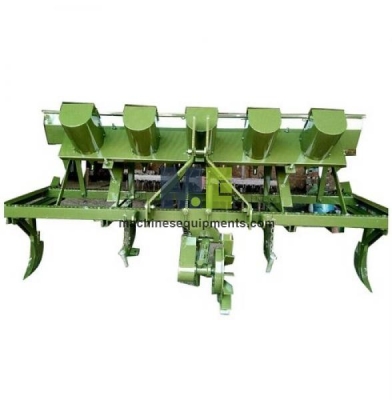
Agricultural Machinery and Equipment South Korea
View range -
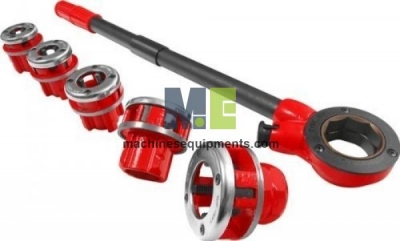
Hand Tools and Machines South Korea
View range -
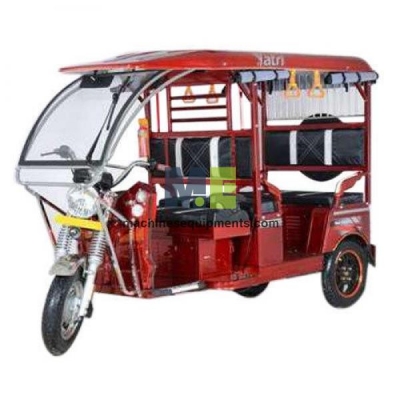
Battery Operated Three Wheelers South Korea
View range -
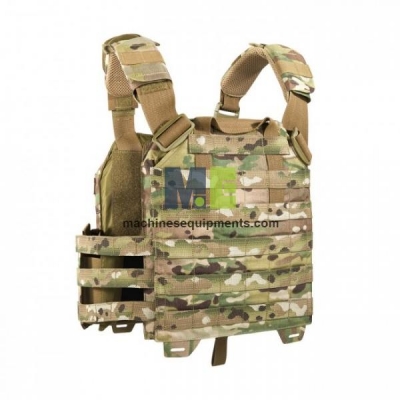
Army Equipment South Korea
View range -
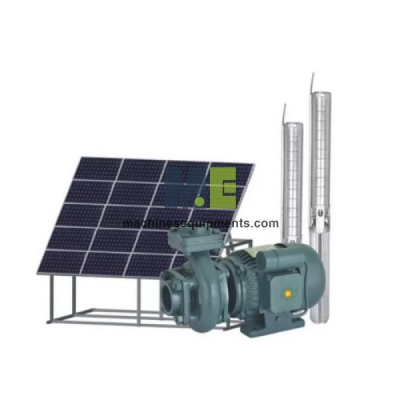
Solar System Products South Korea
View range -
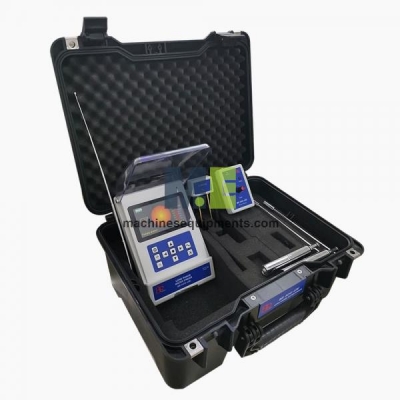
Industrial Tender Machines South Korea
View range
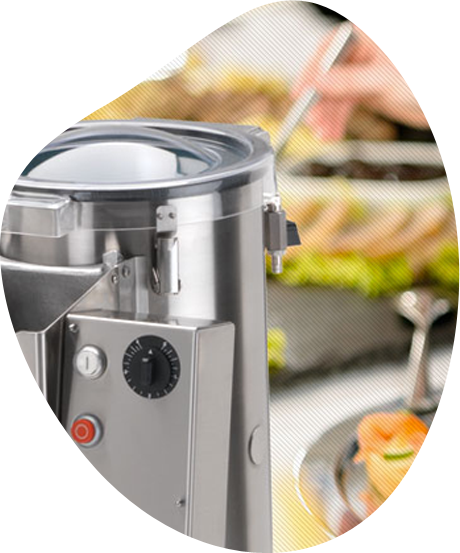
Industrial machinery manufacturers and suppliers in South Korea
South Korea is a demanding market and it is worth being direct about that. It is one of the most industrially advanced economies in the world, it manufactures machinery of a very high standard itself, and buyers here evaluate equipment against domestic and Japanese alternatives rather than against the general international market. Enquiries from Korea are specific, technically detailed and usually accompanied by a written specification. We quote them on measured performance and documentation, because nothing else will do.
What Korean buyers specify
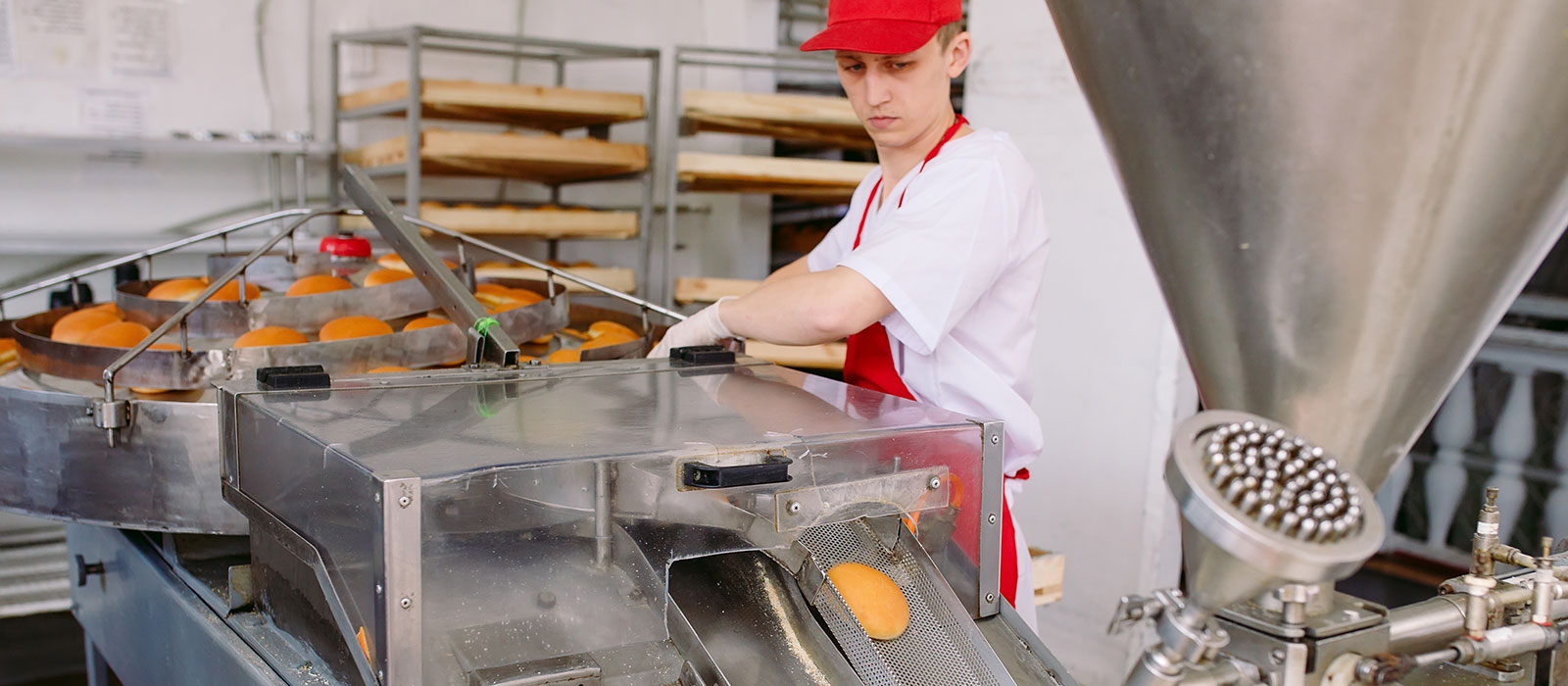
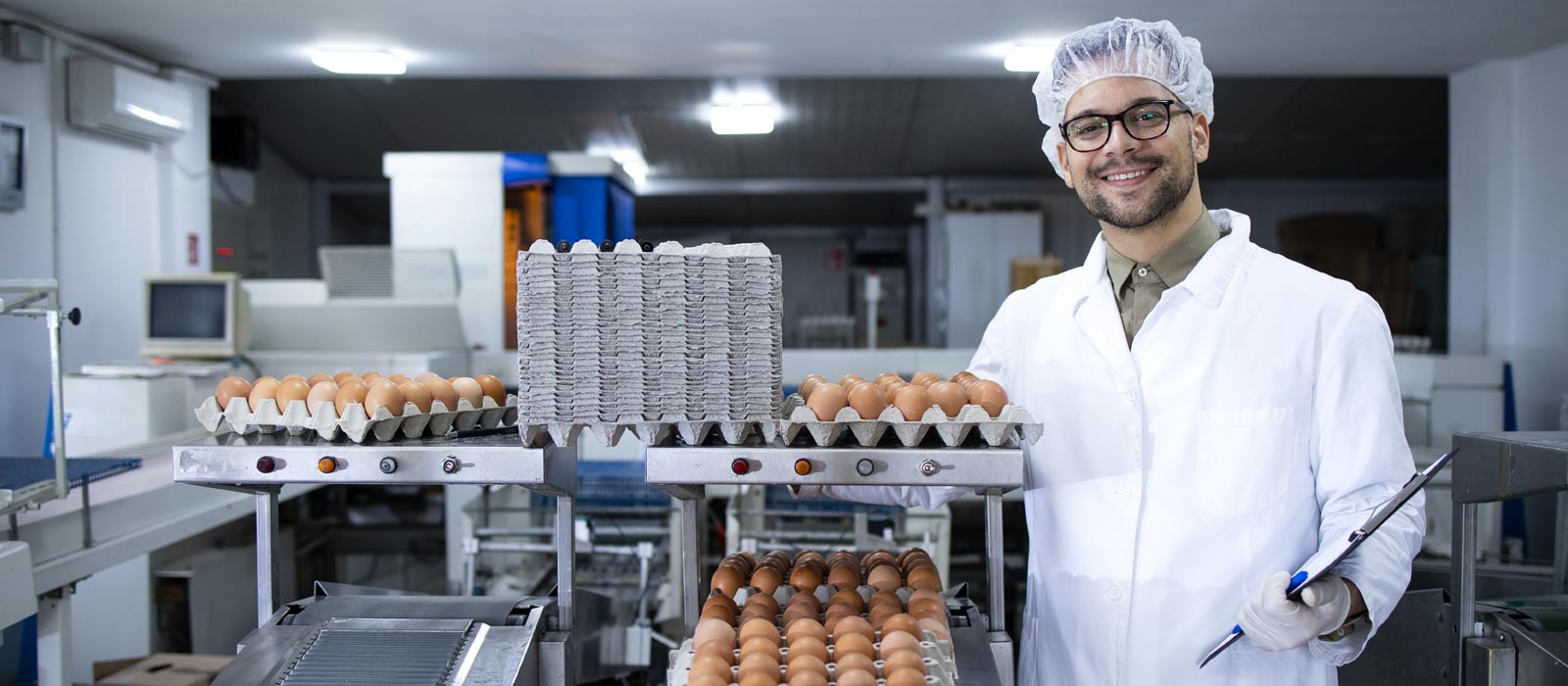
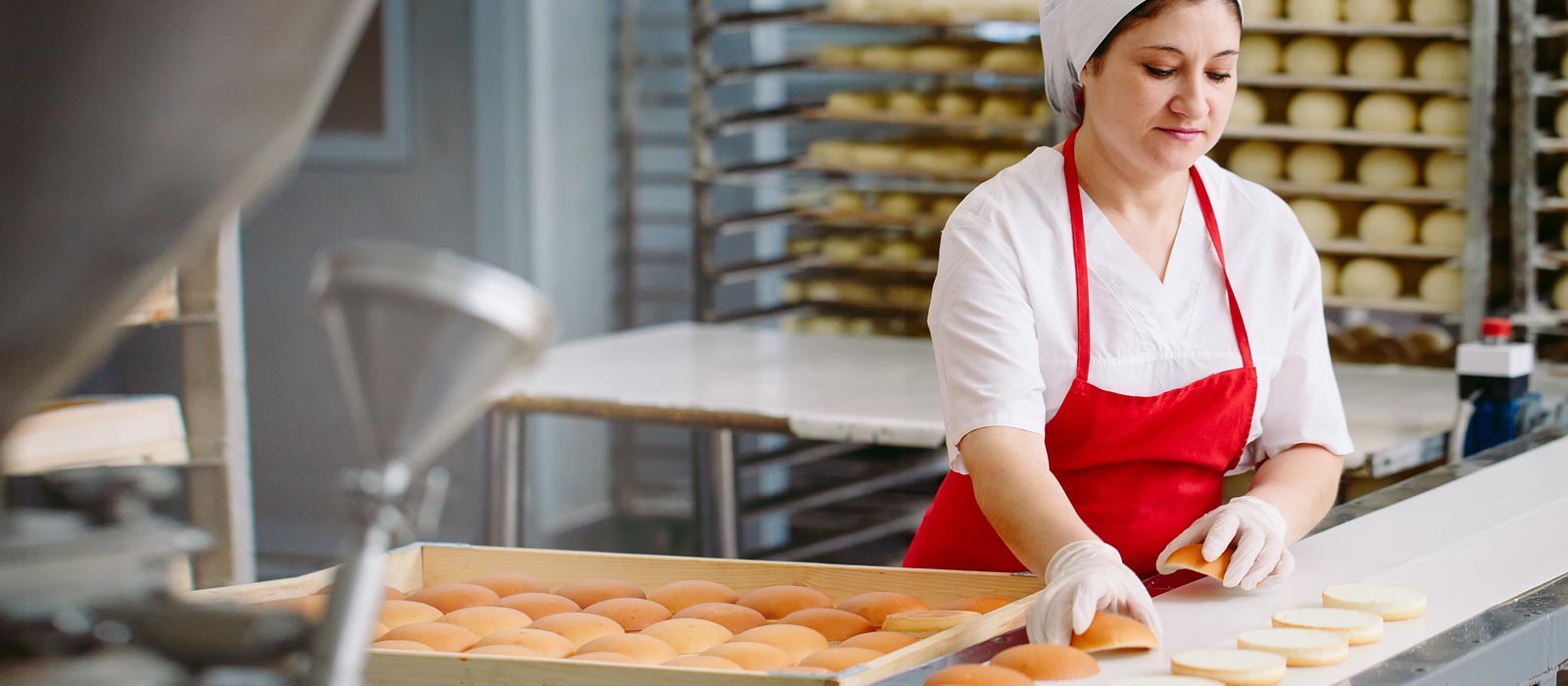
Food processing accounts for most of what we ship. We supply equipment for kimchi and fermented food production, sauce and paste manufacturing, seafood and fish processing with the associated freezing and cold chain, bakery and confectionery plant, beverage and bottling lines, and noodle and snack production. Packaging machinery accompanies most of it.
Cold storage and refrigeration are in steady demand across a sophisticated food distribution network. Beyond food, we ship water treatment plant, workshop and garage equipment, materials handling plant and fire fighting systems.
Shipping to South Korea
Consignments route through Busan, one of the largest container ports in the world and the natural entry point for most of the country, or Incheon for destinations around Seoul and the north-west. Gwangyang serves the southern industrial belt. Inland haulage is fast and reliable and rarely affects a delivery schedule.
Shipments leave with the packing list, commercial invoice, certificate of origin and any conformity or inspection certificates required. Korean import procedures are electronic, efficient and unforgiving of inconsistent documentation, so we prepare paperwork that matches the declaration exactly rather than approximately.
Built for local conditions
South Korea runs at 220 V on 60 Hz, with Type C and F sockets in use. The frequency is the critical point: 60 Hz is not the 50 Hz standard used across most of Asia, Europe and Africa, and equipment built for 50 Hz will not run correctly here — motor speed, output and thermal behaviour all change. Motors, drives and control gear are specified for 60 Hz at the order stage rather than adjusted afterwards.
Korea has genuine seasonal extremes, with cold winters and hot, humid summers, so equipment installed in unconditioned space is specified across the full temperature range rather than for an average. Manuals and control panel labelling can be supplied in English or Korean, and Korean labelling on operator-facing controls is normally expected.
Certification and technical documentation
Electrical and mechanical equipment entering Korea may fall under national certification requirements depending on category, and buyers expect a complete technical file as a matter of course rather than on request. We supply conformity documentation, material certificates for food contact parts, electrical schematics and full maintenance documentation with the plant. If your facility is subject to a particular audit regime or your output goes to a customer who will inspect the installation, tell us at the enquiry stage so the documentation is built to satisfy it from the start.
Competing against domestic and Japanese supply
We would rather be straightforward about where we fit. Korean and Japanese machinery builders are excellent, and on a single standard unit they are often the better choice. Where we compete well is on complete lines integrating several process stages, on equipment for products those builders serve less frequently, and on projects where a buyer wants one supplier responsible for the whole plant rather than coordinating several. If you are comparing quotations, tell us what the alternative covers — a comparison on full scope is more useful than one on headline price.
Installation and support
We commission on site and train operators, though Korea generally needs less support than most markets: the engineering base is deep and buyers here are entirely capable of installing and maintaining plant given proper documentation. Where that is the case we supply the complete technical file and remain available rather than adding cost with a visit that provides little value.
Getting a price
Send the product, the throughput you need per hour, the port of entry and the specification or standard you are working to. Confirm the electrical supply. If you are comparing against a domestic quotation, say what it includes. You get a machine list, a delivered price and a lead time in writing.
Integration with existing plant
Korean facilities are typically well established and highly automated, and a large share of enquiries here concern replacing or adding a single stage within a working line rather than building from nothing. That is a precise specification problem: the new unit must match the throughput either side, accept the same input condition, deliver output in the format the next stage expects and communicate with the existing control system. Send the makes, capacities, control architecture and drawings of the adjacent equipment with your enquiry. It costs nothing at quotation stage and determines whether the unit integrates or becomes a bottleneck.
Manufacturers and suppliers in South Korea
- Food Processing Plants and Line
- Relief Blankets and Tents
- Agricultural Machinery and Equipment
- Hand Tools and Machines
- Battery Operated Three Wheelers
- Army Equipment
- Solar System Products
- Industrial Tender Machines
- Garage Workshop Equipments
- Drilling and Bore Well Equipments
- 3D Printer Machine
- Agro Processing Equipments
- 3D Scanners Machine
- Water Irrigation Equipments
- Fire Detection System
- Fire Fighting Equipments
- Refrigeration and Cold Storage Equipments
- Wind Energy Equipment
- Computer, IT and ICT Equipment
- Cyber Security Equipments
- Traffic Safety Equipments
- Water Treatment Solutions
- Construction Machinery and Equipments
- Food Processing Equipment Line Machines Plants
- Power Distribution Equipment
- Power Generation Equipment
- Power Transmission Equipment
