
Suppliers, manufacturers and factory in Senegal
Every division below ships to Senegal as single units, as complete production lines, or consolidated into one bulk shipment against tender.
-
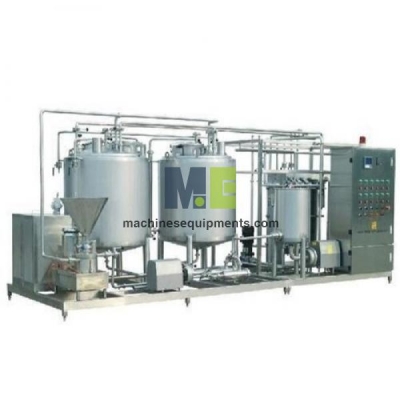
Food Processing Plants and Line Senegal
View range -
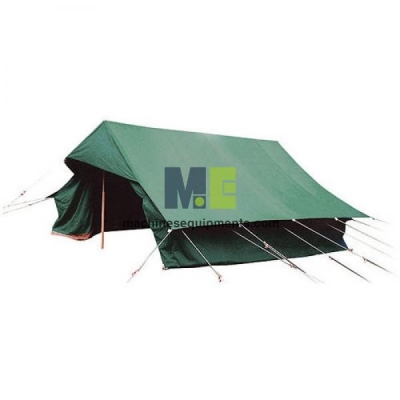
Relief Blankets and Tents Senegal
View range -
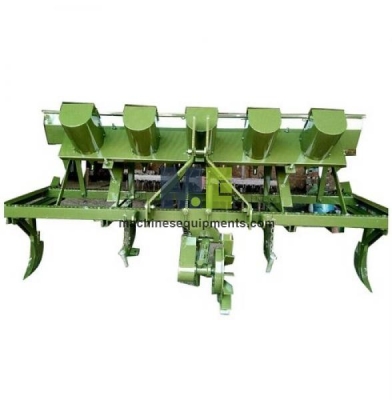
Agricultural Machinery and Equipment Senegal
View range -
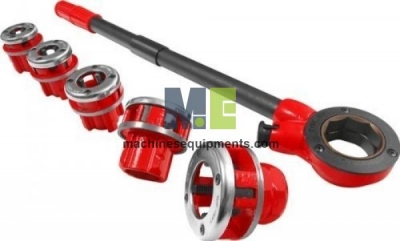
Hand Tools and Machines Senegal
View range -
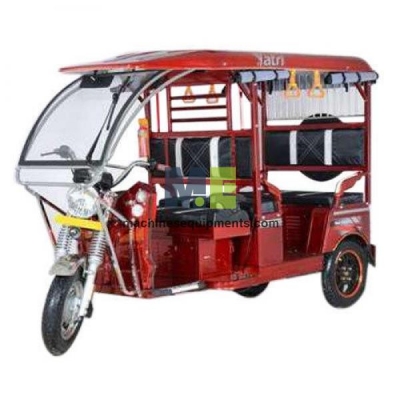
Battery Operated Three Wheelers Senegal
View range -
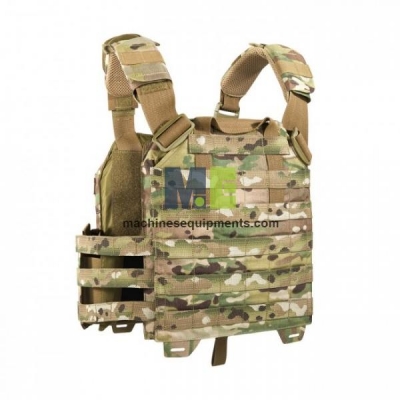
Army Equipment Senegal
View range -
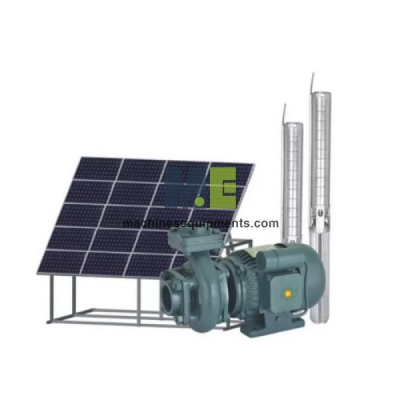
Solar System Products Senegal
View range -
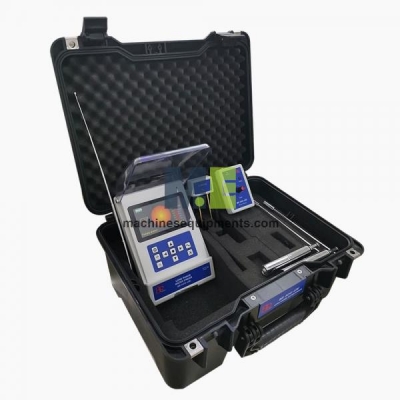
Industrial Tender Machines Senegal
View range
Industrial machinery manufacturers and suppliers in Senegal
Senegal is one of the more stable and better-connected economies in West Africa, and Dakar's position on the Atlantic makes it both a market in its own right and a gateway to the landlocked Sahel. Government policy has pushed toward domestic processing and industrialisation, and a good share of the enquiries we receive relate to facilities established under that direction.
What Senegalese buyers specify
Groundnut processing leads — it is the country's traditional cash crop, and oil expelling, refining and handling equipment is a consistent category. Fish and seafood processing is the second major group, serving a substantial Atlantic fishery, along with the freezing and cold chain that the export trade to Europe depends on.
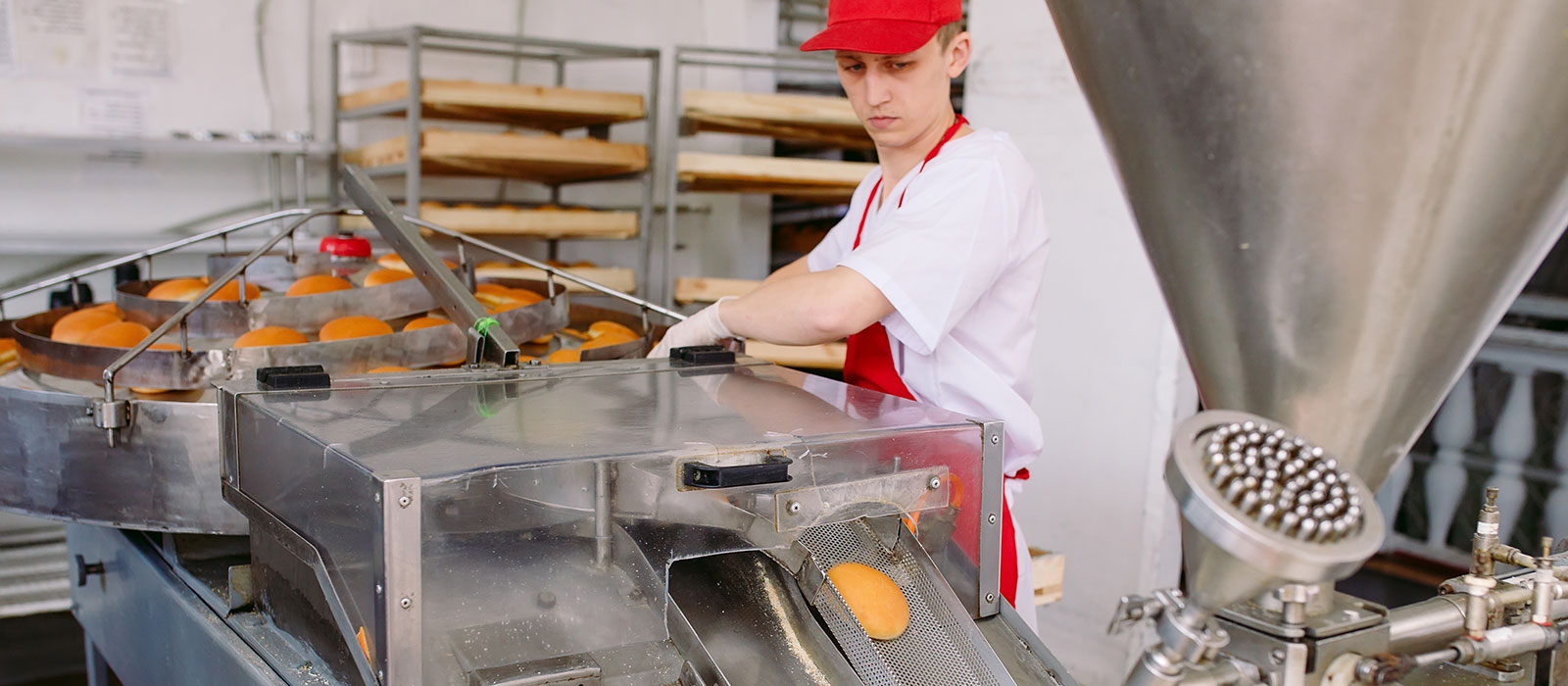
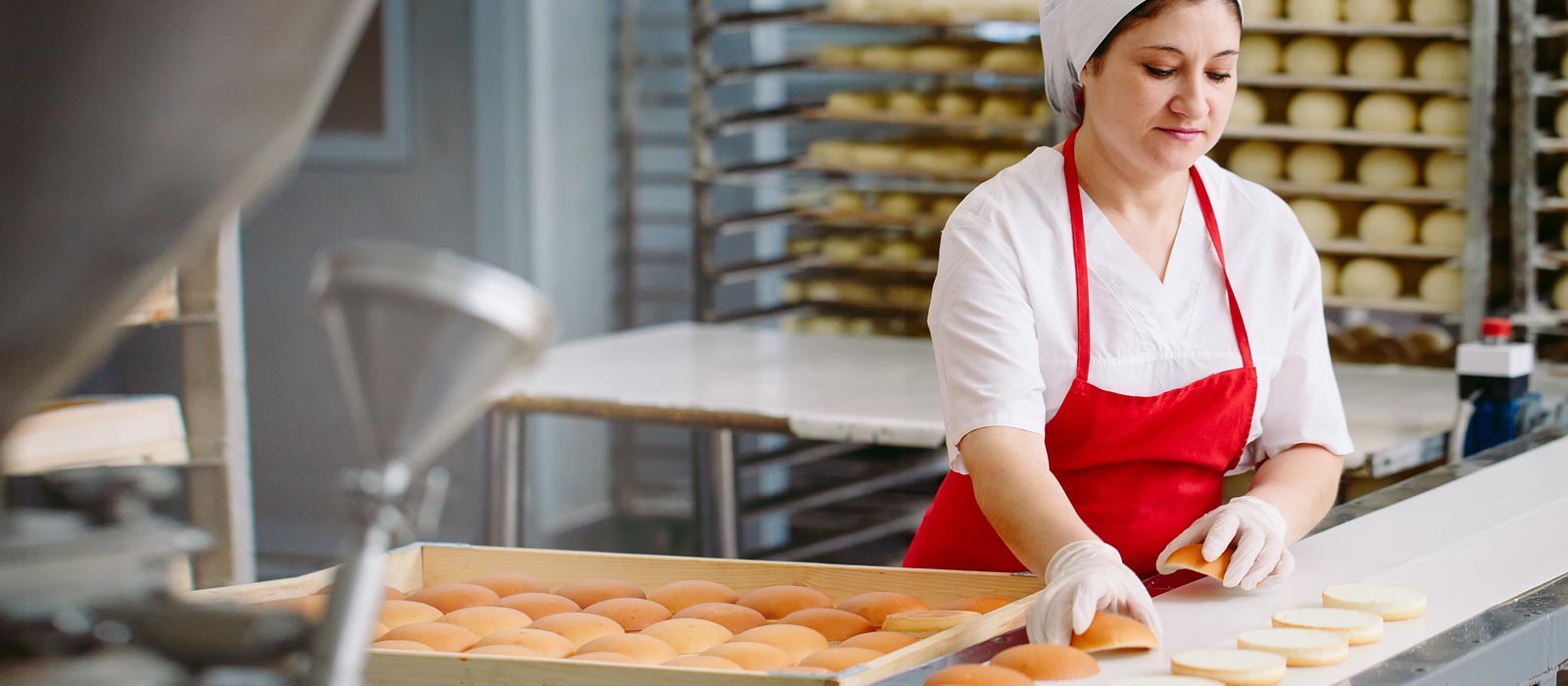
Rice milling has grown considerably as Senegal has worked toward self-sufficiency in a staple it historically imported. Beyond those, we supply millet and sorghum processing, fruit processing for mango and citrus, dairy plant, bakery equipment, juice and beverage lines, and packaging machinery. Cold storage and refrigeration serve fisheries and food distribution. Water treatment and pumping equipment and solar system products sell steadily, particularly for sites the grid serves poorly.
Shipping to Senegal and the interior
Consignments route through the Port of Dakar, which is efficient by regional standards and well equipped for containerised and project cargo. Dakar also serves as an entry point for Mali and parts of the wider Sahel, so if your equipment is bound for a landlocked destination beyond Senegal, tell us at the enquiry stage — the transit documentation and often the crating differ, and the electrical specification follows the final destination rather than the port.
Shipments leave with the packing list, commercial invoice, certificate of origin and any inspection or conformity certificates required for the product category.
Built for local conditions
Senegal runs on 230 V at 50 Hz, with Type C, D, E and K sockets encountered depending on the age and origin of the installation. Equipment is built to the actual site supply at the order stage, and confirming what is genuinely available at the site is worth doing rather than assuming.
The climate is hot, with a dusty harmattan season and high humidity on the coast, so cooling, filtration and material protection are specified for the actual location. Grid supply in Dakar is reasonable but rural reliability varies, so plant for regional sites is specified with generator or solar operation in mind and starting loads staged accordingly. Manuals and control panel labelling can be supplied in French, which is the language of business and technical documentation, or in English where your team prefers it.
Producing for European buyers
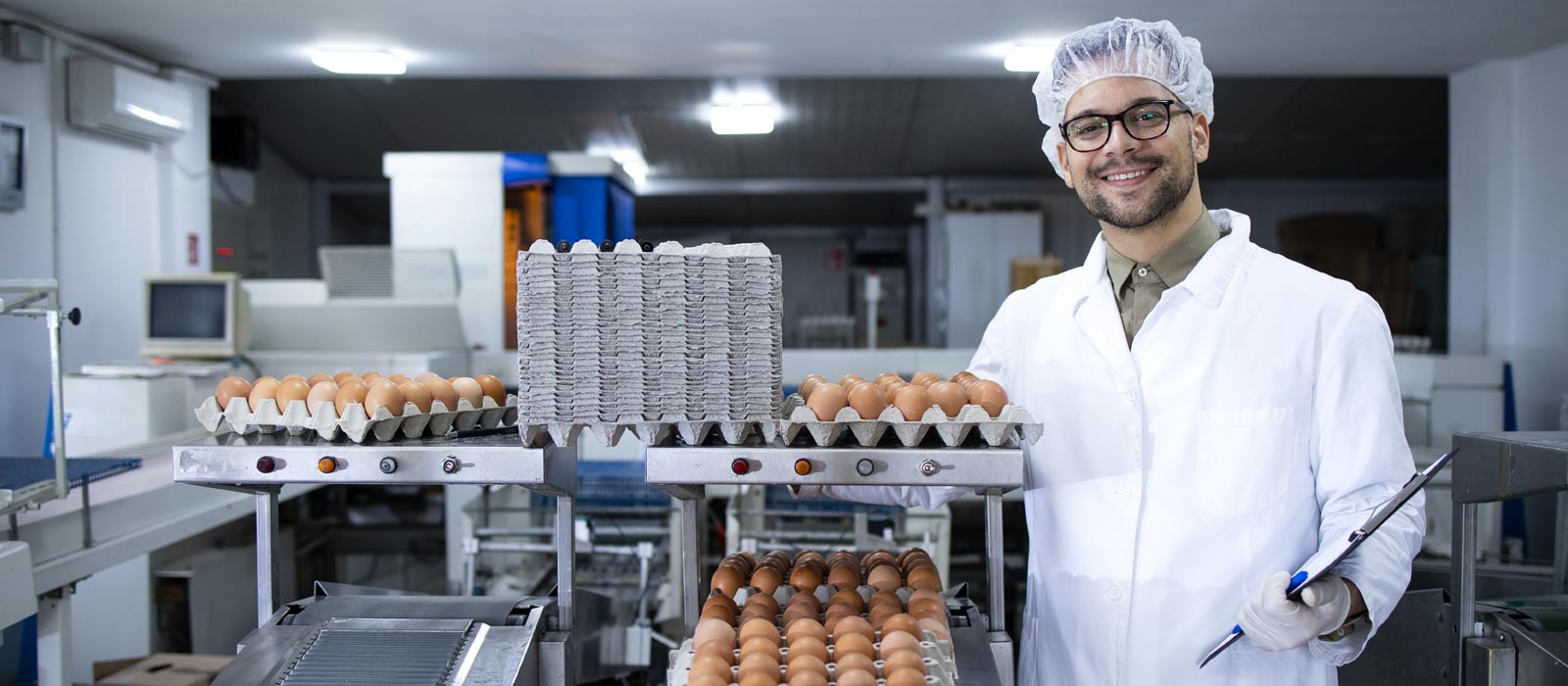
Senegalese fish and horticultural exports go substantially to Europe, and those buyers impose requirements that reach into the equipment: food contact material certificates, surface finish and cleanability, and documentation that will satisfy an audit conducted by your customer. We supply material certificates and technical files for contact parts as part of handover rather than in response to a later request. Name the export market at the enquiry stage and we will specify to it from the start.
Tender and programme supply
Public procurement, agricultural development programmes and donor-funded projects account for a meaningful share of machinery purchasing. Tenders are formal and normally conducted in French. We supply technical specifications and compliance documentation in French or English as required, along with manufacturer authorisation letters where a bid asks for them, and we consolidate multi-unit awards into single shipments.
Installation and support
We commission on site and train operators, covering maintenance alongside operation. Wear parts are identified with their specifications at handover so they can be held locally or sourced regionally, which matters more the further a site sits from Dakar.
Getting a price
Send the crop or product, the output you need per hour, the region the plant is going to, and the power available at the site. If the equipment is bound beyond Senegal, say where. You get a machine list, a delivered price and a lead time in writing.
Starting small and expanding
A great many Senegalese processing businesses begin at modest scale and grow as markets and financing allow. That is a sound way to build provided the first installation anticipates it. Where a buyer intends to expand, we recommend a layout and machine selection that can take a larger unit or a second line later without the original being torn out — foundations, power provision, material flow and building envelope planned for the plant you intend to have rather than only the one you can afford today. Tell us the ambition alongside the current volume and the specification will reflect both.
Manufacturers and suppliers in Senegal
- Food Processing Plants and Line
- Relief Blankets and Tents
- Agricultural Machinery and Equipment
- Hand Tools and Machines
- Battery Operated Three Wheelers
- Army Equipment
- Solar System Products
- Industrial Tender Machines
- Garage Workshop Equipments
- Drilling and Bore Well Equipments
- 3D Printer Machine
- Agro Processing Equipments
- 3D Scanners Machine
- Water Irrigation Equipments
- Fire Detection System
- Fire Fighting Equipments
- Refrigeration and Cold Storage Equipments
- Wind Energy Equipment
- Computer, IT and ICT Equipment
- Cyber Security Equipments
- Traffic Safety Equipments
- Water Treatment Solutions
- Construction Machinery and Equipments
- Food Processing Equipment Line Machines Plants
- Power Distribution Equipment
- Power Generation Equipment
- Power Transmission Equipment
