

Suppliers, manufacturers and factory in Philippines
Every division below ships to Philippines as single units, as complete production lines, or consolidated into one bulk shipment against tender.
-
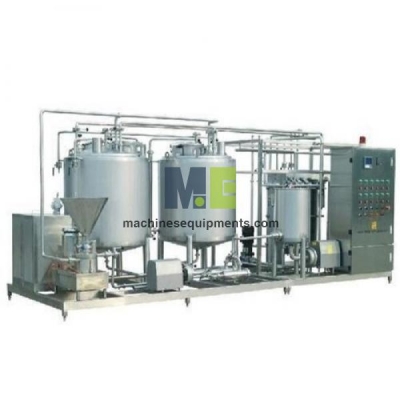
Food Processing Plants and Line Philippines
View range -
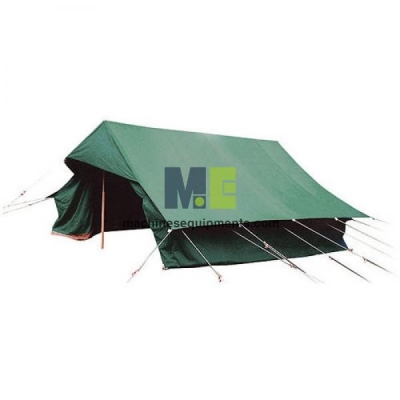
Relief Blankets and Tents Philippines
View range -
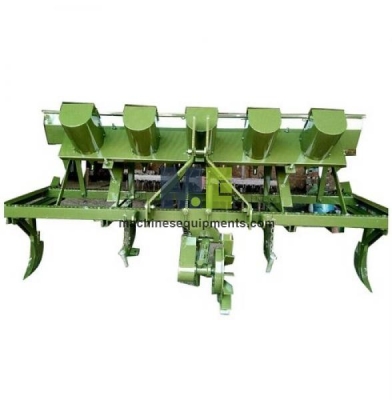
Agricultural Machinery and Equipment Philippines
View range -
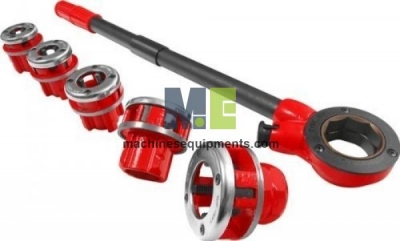
Hand Tools and Machines Philippines
View range -
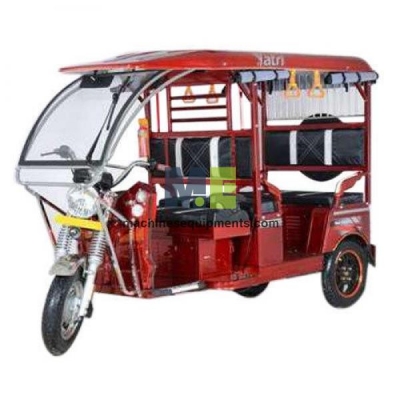
Battery Operated Three Wheelers Philippines
View range -
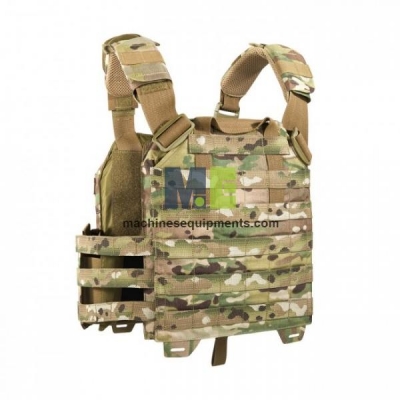
Army Equipment Philippines
View range -
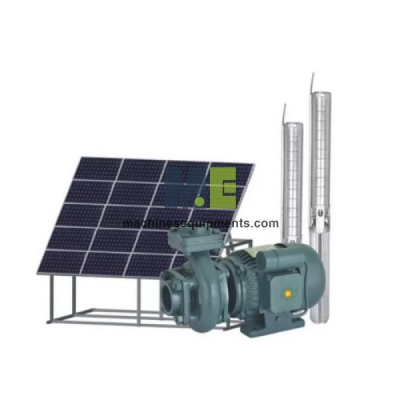
Solar System Products Philippines
View range -
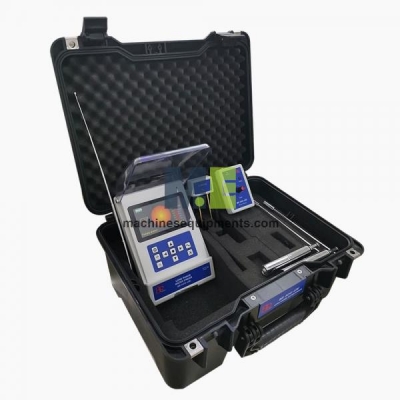
Industrial Tender Machines Philippines
View range
Industrial machinery manufacturers and suppliers in the Philippines
The Philippines is an archipelago of more than seven thousand islands, and that single fact shapes machinery purchasing here more than any other. Processing capacity tends to be distributed rather than concentrated, plants are often smaller and more numerous than in a comparable mainland economy, and the cost of moving equipment to a site can rival the cost of the equipment itself if the routing is not planned properly.
What Filipino buyers specify
Coconut processing is the signature category — the country is among the world's largest producers, and we supply desiccating, oil expelling, milk and water processing, and coir and shell equipment. Rice milling is the second major group, serving both commercial mills and cooperative operations. Sugar processing serves the Negros and Luzon growing regions.
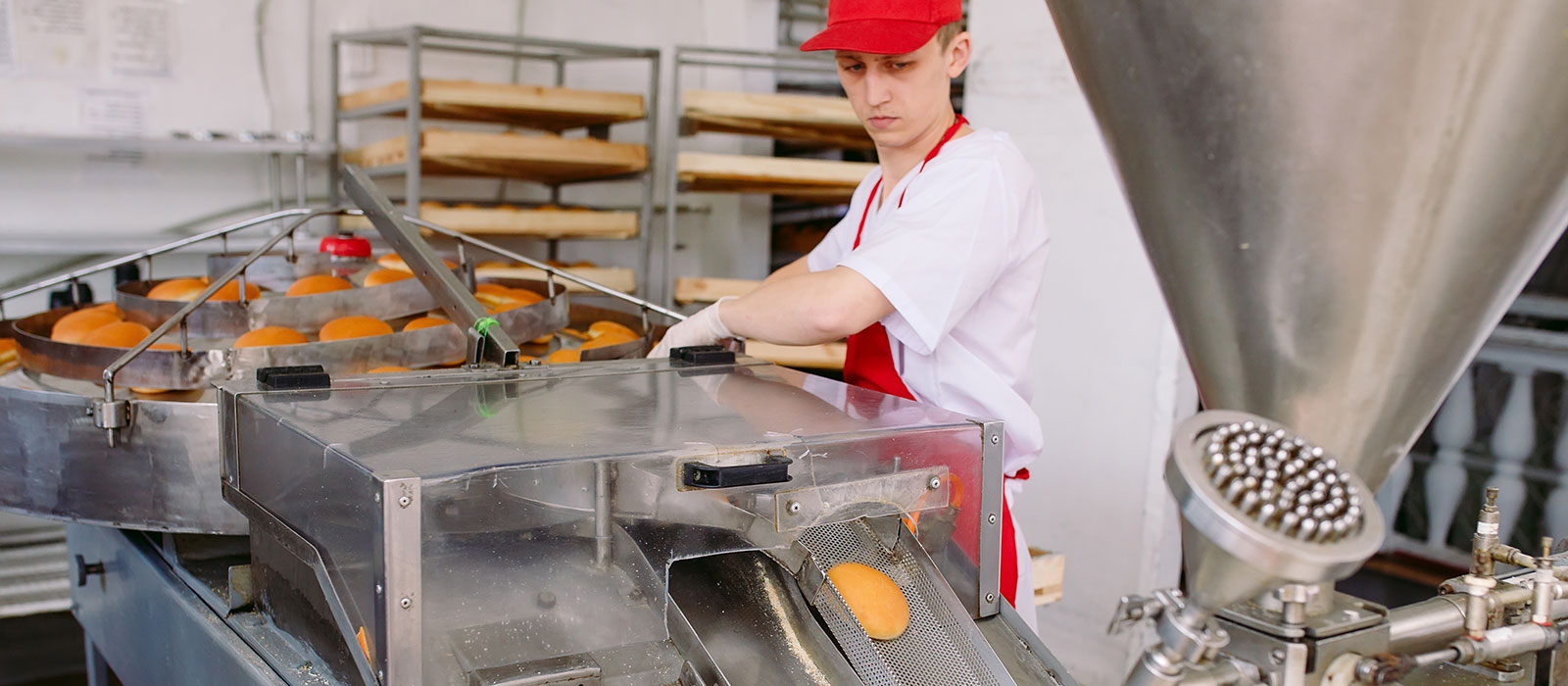
Beyond those, we ship banana, mango and pineapple processing plant, fish and seafood lines with the associated cold chain, bakery and snack production equipment, and beverage and bottling lines. Cold storage and refrigeration are consistently in demand across food distribution and fisheries. Water treatment plant, solar system products and fire fighting equipment all sell steadily.
Shipping to the Philippines
Consignments route principally through Manila for Luzon, Cebu for the Visayas, or Davao and Cagayan de Oro for Mindanao. Choosing the right port of entry matters commercially: inter-island movement of heavy plant is expensive and slow, so entering at the port nearest the site is almost always worth more than any saving on ocean freight. Tell us the province, not just the country, and we will quote to the correct port.
Manila congestion is a real factor in lead times and should be planned for rather than discovered. Shipments leave with the packing list, commercial invoice, certificate of origin and any inspection or conformity certificates required for the product category.
Built for local conditions
The Philippines runs at 220 V on 60 Hz, with Type A and B sockets in general use. The frequency is the point to watch: equipment built to the 50 Hz standard used across most of Asia will not run correctly here, and motors and drives are specified for 60 Hz at the order stage. Humidity is high, typhoon exposure is significant, and coastal sites are salt-laden, so enclosures, finishes and material grades are chosen for those conditions rather than assumed. Manuals and control labelling are supplied in English, which is standard in Philippine industry.
Typhoon season and delivery planning
The Philippines is one of the most typhoon-exposed countries in the world, and the season runs roughly June to November. Port closures, delayed vessels and impassable roads are normal rather than exceptional during that period. Where a delivery is tied to a harvest, a production season or a construction handover, we plan routing and lead time around the season rather than quoting a best-case transit and leaving you exposed. If your commissioning window is fixed, tell us early.
Serviceability across distributed sites
Because processing capacity is spread across islands, getting a technician to a plant is harder here than in most markets. That shapes what we recommend: robust, maintainable equipment with parts that can be held on site, thorough operator and maintenance training at commissioning, and full service documentation supplied with the shipment. Wear parts are identified with their specifications at handover so they can be stocked locally rather than ordered reactively from abroad.
Tender, cooperative and programme supply
Public procurement, agricultural cooperatives and development programmes all account for meaningful machinery purchasing. We supply technical specifications and compliance documentation in the required format, along with manufacturer authorisation letters where the bid asks for them, and we consolidate multi-unit orders into single shipments where the destinations allow.
Getting a price
Send the product, the output you need per hour, and the province and nearest port — that last detail changes the delivered cost more here than anywhere else we ship. Confirm the electrical supply at the site. You get a machine list, a delivered price and a lead time in writing.
Working with cooperatives and consolidated orders
A large proportion of Philippine agricultural processing is organised through cooperatives and farmer associations rather than single corporate buyers, and group purchasing is common. We quote a cooperative order on the same commercial basis as any other, and where several units are going to different islands we will look at whether consolidating into one shipment and redistributing domestically beats shipping separately to each port — sometimes it does and sometimes it does not, depending on the destinations. We will do the comparison rather than assuming. Where a purchase is funded through a development programme or a government scheme, tell us which, because the documentation requirements differ and it is easier to issue the paperwork correctly than to reissue it.
Manufacturers and suppliers in Philippines
- Food Processing Plants and Line
- Relief Blankets and Tents
- Agricultural Machinery and Equipment
- Hand Tools and Machines
- Battery Operated Three Wheelers
- Army Equipment
- Solar System Products
- Industrial Tender Machines
- Garage Workshop Equipments
- Drilling and Bore Well Equipments
- 3D Printer Machine
- Agro Processing Equipments
- 3D Scanners Machine
- Water Irrigation Equipments
- Fire Detection System
- Fire Fighting Equipments
- Refrigeration and Cold Storage Equipments
- Wind Energy Equipment
- Computer, IT and ICT Equipment
- Cyber Security Equipments
- Traffic Safety Equipments
- Water Treatment Solutions
- Construction Machinery and Equipments
- Food Processing Equipment Line Machines Plants
- Power Distribution Equipment
- Power Generation Equipment
- Power Transmission Equipment
