
Suppliers, manufacturers and factory in Nepal
Every division below ships to Nepal as single units, as complete production lines, or consolidated into one bulk shipment against tender.
-
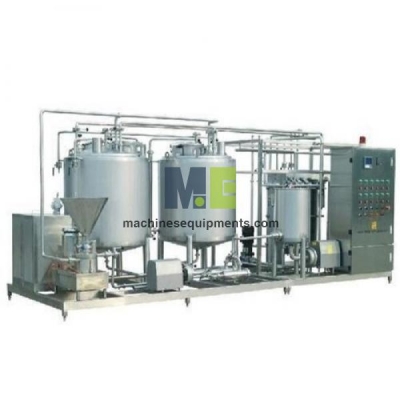
Food Processing Plants and Line Nepal
View range -
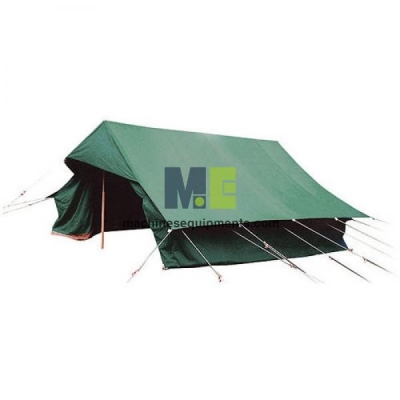
Relief Blankets and Tents Nepal
View range -
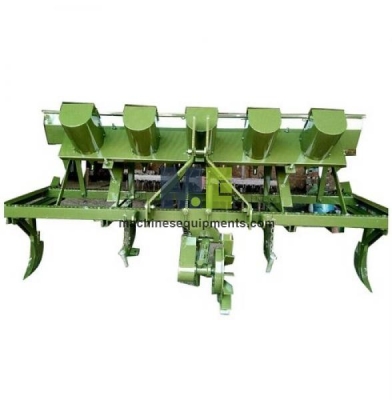
Agricultural Machinery and Equipment Nepal
View range -
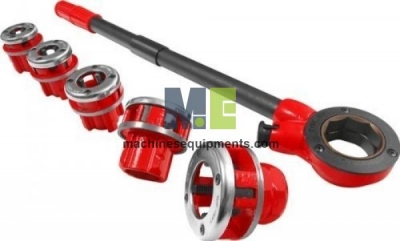
Hand Tools and Machines Nepal
View range -
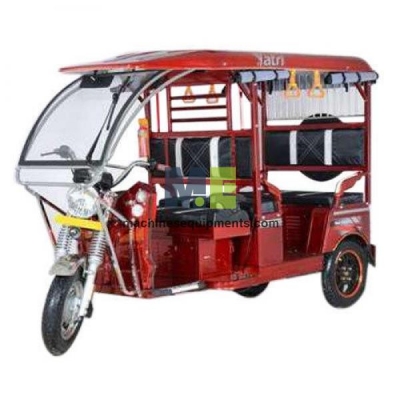
Battery Operated Three Wheelers Nepal
View range -
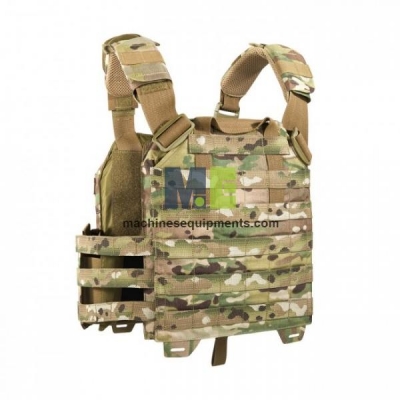
Army Equipment Nepal
View range -
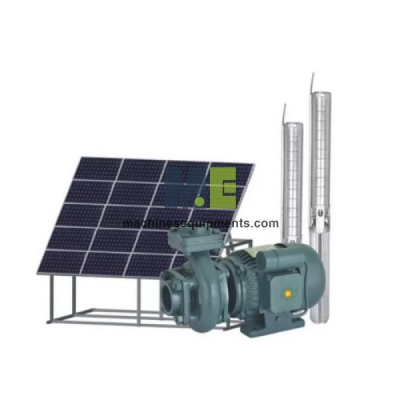
Solar System Products Nepal
View range -
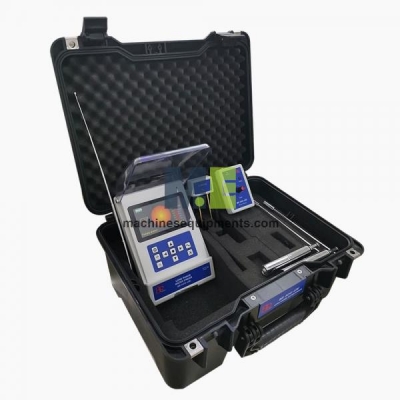
Industrial Tender Machines Nepal
View range
Industrial machinery manufacturers and suppliers in Nepal
Nepal is a landlocked market, and that single fact shapes every quotation we issue for it. Equipment does not simply arrive at a port — it transits a third country, clears a land border and then travels roads that impose real limits on what can be moved in one piece. We quote Nepal accordingly, and we size and crate equipment so it reaches the site rather than reaching the border.
What Nepali buyers specify
Agro processing dominates. We supply rice and maize milling plant, oil expelling equipment for mustard and sunflower, dal and pulse processing, and grain drying, cleaning and grading equipment for the Terai districts. Dairy is the second major sector — milk chilling, pasteurising and packing equipment for cooperatives and private processors alike.
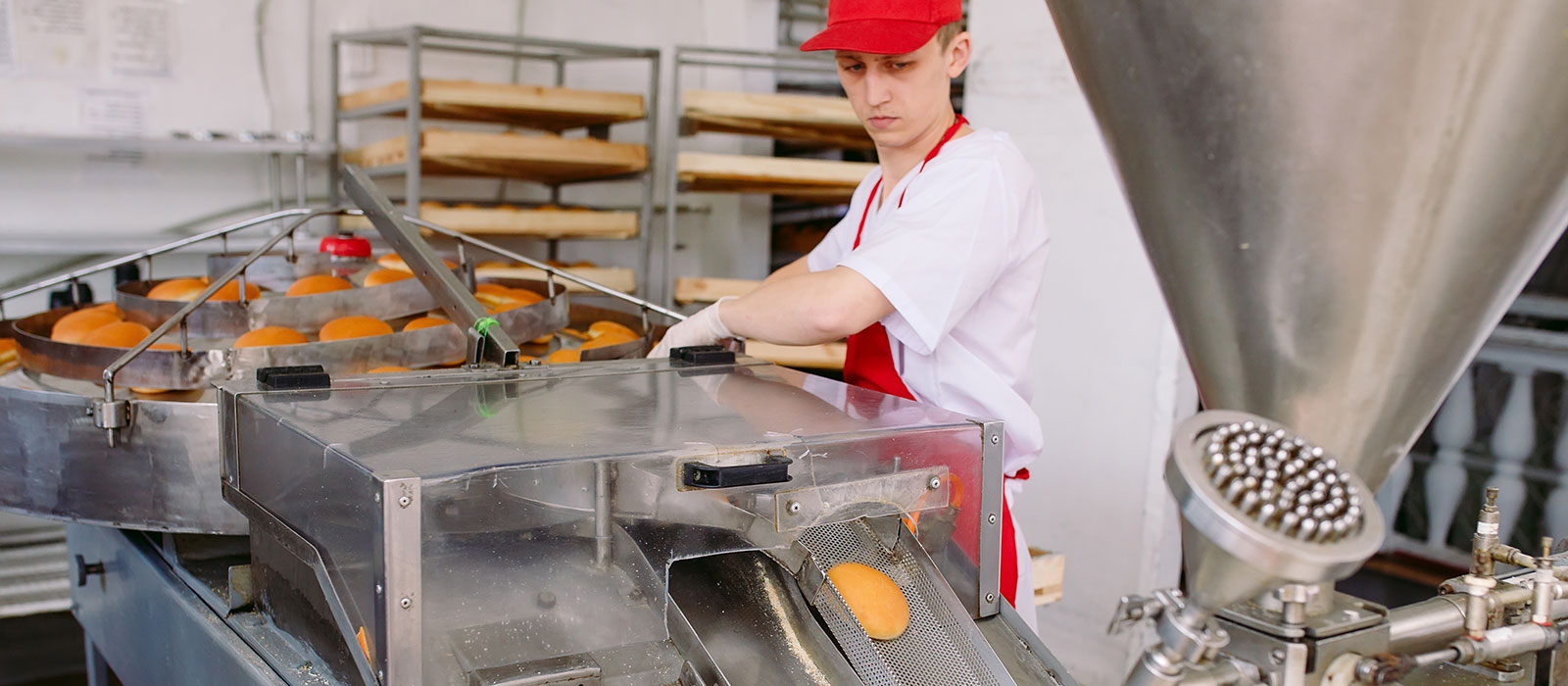
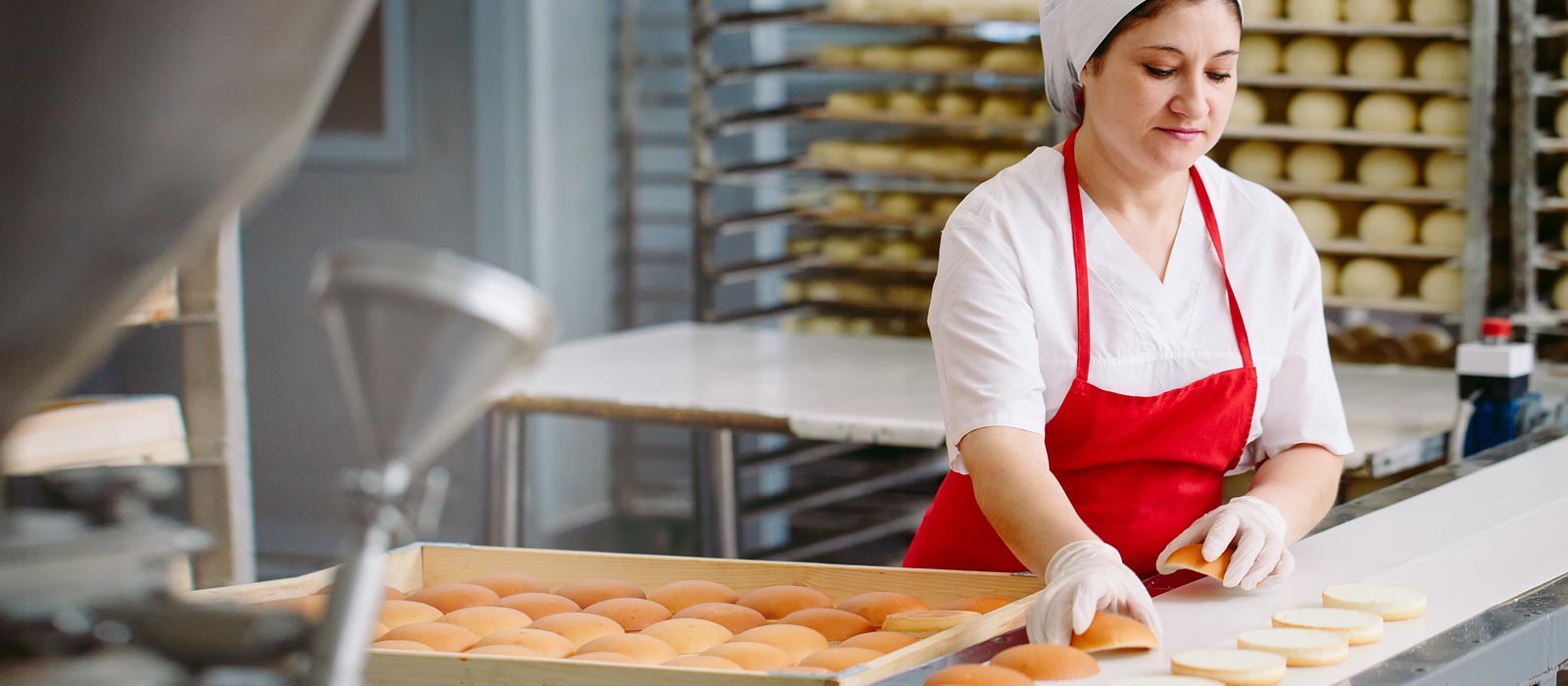
Beyond that, Nepal takes cardamom, tea and herb processing equipment for the hill districts, juice and beverage lines, bakery plant, and cold storage for horticulture and the trekking and hotel supply chain. There is consistent demand for water treatment and pumping equipment, and for small-scale solar systems serving communities off the grid.
Shipping to Nepal
Consignments route through Kolkata or Haldia in India and move overland to the Nepali border, most commonly clearing at Birgunj, which handles the bulk of Nepal's containerised imports through its inland container depot. Biratnagar and Bhairahawa serve the east and west respectively. Onward haulage to Kathmandu involves hill roads with genuine width, height and weight constraints, so for a complete line we break the plant into shippable modules and confirm the route before anything leaves the factory.
Because the shipment transits India, the documentation set is larger than for a direct port delivery — the transit paperwork matters as much as the import paperwork. We prepare the packing list, commercial invoice, certificate of origin and transit documentation together so that nothing stalls at the border.
Built for local conditions
Nepal runs on 230 V at 50 Hz, with Type C, D and M sockets in use. Equipment is built to that supply at the order stage. Load shedding has eased considerably in recent years but rural supply remains variable, so plant destined for district processing sites is specified with generator operation in mind. Manuals and control labelling can be supplied in English or Nepali.
Tender and bulk supply
Public procurement in Nepal runs through a formal tender process, and we supply against ministry programmes, district and municipal tenders, army and police procurement, and the substantial development and donor-funded sector operating in the country. We provide technical specifications and compliance documentation in the required format, along with manufacturer authorisation letters where the bid asks for them.
Cooperative buying is common in Nepali agro processing, and we quote group orders on the same basis as a single commercial buyer — consolidating into one shipment rather than several reduces both freight and clearance cost.
Getting a price
Tell us the product, the output you need per hour, the district the equipment is going to and the border you intend to clear at. Site access matters more here than in most markets, so mention any road or bridge constraint you already know about. You get a machine list, a delivered price to the border or to site as you prefer, and a lead time in writing.
Installation and support in Nepal
We commission on site and train operators, and for Nepal this is worth planning carefully because engineer travel to a district site takes longer than the commissioning itself. Where a line is being installed outside the Kathmandu valley or the Terai corridor we schedule the visit to cover the full run-up to production rather than a single day. Wear parts are identified at handover with specifications so they can be reordered ahead of need, which matters when resupply involves a border crossing.
Altitude, seasonality and site access
Two conditions affect Nepali installations that rarely arise elsewhere. Altitude changes the performance of air-cooled equipment and of any process relying on boiling point, so plant destined for the hills is specified accordingly rather than assumed to behave as it would at sea level. And the monsoon closes routes: a consignment that would move easily in March may not be able to reach the same site in July. We factor delivery timing into the lead time we quote rather than treating it as the buyer's problem after dispatch.
Manufacturers and suppliers in Nepal
- Food Processing Plants and Line
- Relief Blankets and Tents
- Agricultural Machinery and Equipment
- Hand Tools and Machines
- Battery Operated Three Wheelers
- Army Equipment
- Solar System Products
- Industrial Tender Machines
- Garage Workshop Equipments
- Drilling and Bore Well Equipments
- 3D Printer Machine
- Agro Processing Equipments
- 3D Scanners Machine
- Water Irrigation Equipments
- Fire Detection System
- Fire Fighting Equipments
- Refrigeration and Cold Storage Equipments
- Wind Energy Equipment
- Computer, IT and ICT Equipment
- Cyber Security Equipments
- Traffic Safety Equipments
- Water Treatment Solutions
- Construction Machinery and Equipments
- Food Processing Equipment Line Machines Plants
- Power Distribution Equipment
- Power Generation Equipment
- Power Transmission Equipment
