

Suppliers, manufacturers and factory in Namibia
Every division below ships to Namibia as single units, as complete production lines, or consolidated into one bulk shipment against tender.
-
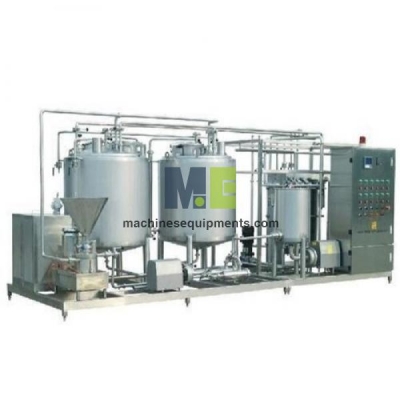
Food Processing Plants and Line Namibia
View range -
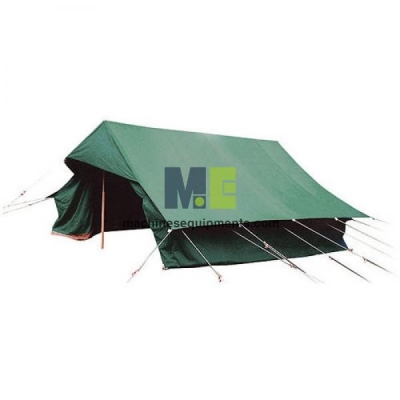
Relief Blankets and Tents Namibia
View range -
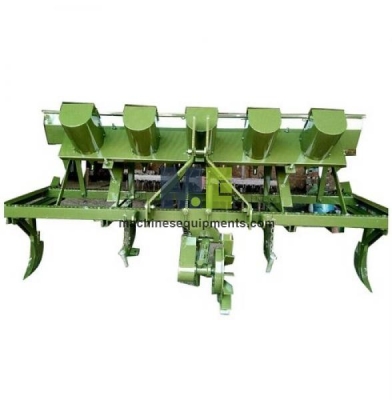
Agricultural Machinery and Equipment Namibia
View range -
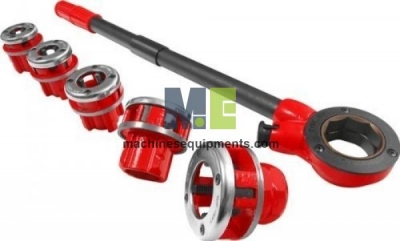
Hand Tools and Machines Namibia
View range -
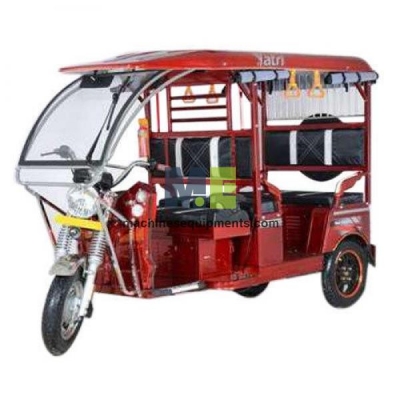
Battery Operated Three Wheelers Namibia
View range -
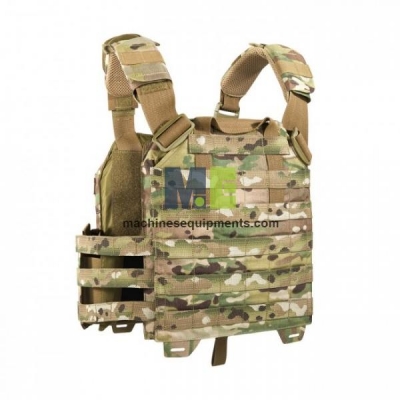
Army Equipment Namibia
View range -
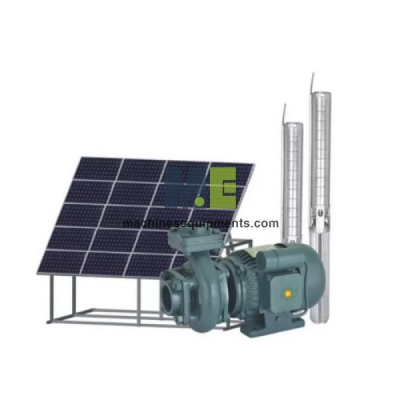
Solar System Products Namibia
View range -
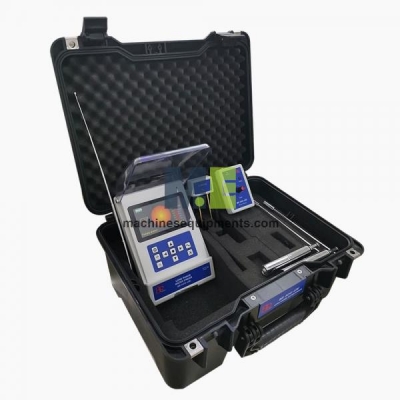
Industrial Tender Machines Namibia
View range
Industrial machinery manufacturers and suppliers in Namibia
Namibia is a small domestic market with an outsized logistics role. Walvis Bay is one of the best-run deep-water ports on the west coast of Africa, and the corridors running inland from it serve Botswana, Zambia, Zimbabwe and the southern DRC. We supply equipment both for Namibian industry itself and for buyers in the interior who prefer to clear through Walvis Bay rather than through a congested alternative.
What Namibian buyers specify
Fisheries and marine processing lead the domestic demand. We supply fish and seafood processing lines, filleting and grading equipment, and the blast freezing and cold storage plant that the hake and horse mackerel trade depends on. Refrigeration is a category in its own right here — cold rooms, chillers and freezer plant for fisheries, meat processing and food distribution.
The mining sector takes construction machinery, drilling and bore well equipment, ground engineering plant and workshop tooling. Agriculture and food processing take milling equipment, dairy plant, meat and abattoir equipment for the beef export trade, and juice and beverage lines. Given Namibia's solar resource, there is also steady demand for solar system products and solar water pumping for farms and remote installations.
Shipping to Namibia
Consignments route through Walvis Bay, with Lüderitz available for southern deliveries. Walvis Bay is well suited to project cargo and heavy plant, and clearance is generally efficient by regional standards. For onward movement, the Trans-Kalahari and Trans-Caprivi corridors give road access to Gaborone, Lusaka and beyond, so where a buyer in a neighbouring country is taking delivery we can quote to Walvis Bay with inland haulage arranged from there.
Every shipment leaves with the packing list, commercial invoice, certificate of origin and any inspection certificates required, prepared to suit Namibian customs requirements and the standards regime applying to the product.
Built for local conditions
Namibia runs on 220 V at 50 Hz, with Type D and M sockets in general use — the same large round-pin pattern common across southern Africa. Equipment is built to that supply at the order stage. Ambient conditions matter here more than in most markets: plant destined for inland Namibia is specified for high ambient temperature and heavy dust, particularly refrigeration condensers and any equipment with forced-air cooling. Manuals and control labelling are supplied in English.
Tender and bulk supply
Public procurement runs through a central tender process, and we supply against ministry programmes, regional council tenders, and equipment purchases by state-owned enterprises in fisheries, water and energy. We provide technical specifications and compliance documentation in the format the tender asks for, along with manufacturer authorisation letters where required.
For distributors serving the wider corridor market, we quote bulk consignments on a territory basis, consolidating mixed equipment into a single container to keep landed cost per unit down.
Getting a price
Send the product you intend to process or the equipment you need, the output per hour, and whether the destination is inside Namibia or moving up one of the corridors. If the plant is going inland, tell us where — ambient temperature and dust loading change the specification. You get a machine list, a delivered price and a lead time in writing.
Installation and support in Namibia
We commission on site and train operators. Namibia's industrial workforce is small and concentrated around Walvis Bay and Windhoek, so for installations elsewhere in the country we plan the commissioning visit to leave the client's own staff genuinely capable of running and maintaining the plant. Wear parts are identified with specifications at handover, which matters in a market where resupply from overseas takes time.
The corridor advantage
If you are buying for a site in Botswana, Zambia, Zimbabwe or the southern DRC, Walvis Bay is often the better entry point even though it is not the nearest port on paper. Congestion and clearance delays elsewhere can cost more than the additional road distance, and the corridors from Walvis Bay are well maintained and well served by transport operators. We quote either delivered to Walvis Bay for your own onward arrangement, or delivered to site with the inland leg included — tell us which you prefer and we will price both if it helps the decision.
Manufacturers and suppliers in Namibia
- Food Processing Plants and Line
- Relief Blankets and Tents
- Agricultural Machinery and Equipment
- Hand Tools and Machines
- Battery Operated Three Wheelers
- Army Equipment
- Solar System Products
- Industrial Tender Machines
- Garage Workshop Equipments
- Drilling and Bore Well Equipments
- 3D Printer Machine
- Agro Processing Equipments
- 3D Scanners Machine
- Water Irrigation Equipments
- Fire Detection System
- Fire Fighting Equipments
- Refrigeration and Cold Storage Equipments
- Wind Energy Equipment
- Computer, IT and ICT Equipment
- Cyber Security Equipments
- Traffic Safety Equipments
- Water Treatment Solutions
- Construction Machinery and Equipments
- Food Processing Equipment Line Machines Plants
- Power Distribution Equipment
- Power Generation Equipment
- Power Transmission Equipment
