

Suppliers, manufacturers and factory in Myanmar
Every division below ships to Myanmar as single units, as complete production lines, or consolidated into one bulk shipment against tender.
-
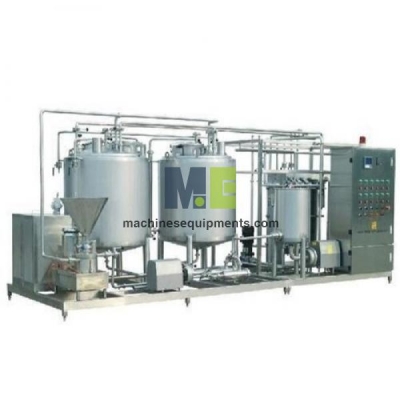
Food Processing Plants and Line Myanmar
View range -
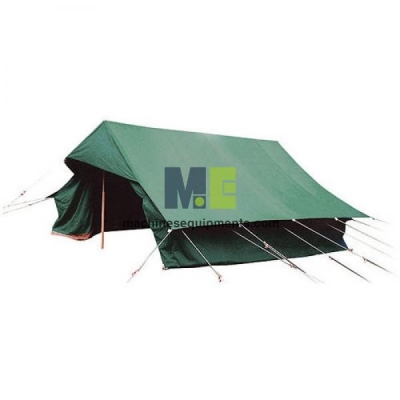
Relief Blankets and Tents Myanmar
View range -
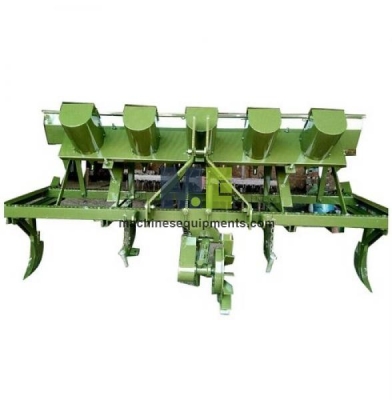
Agricultural Machinery and Equipment Myanmar
View range -
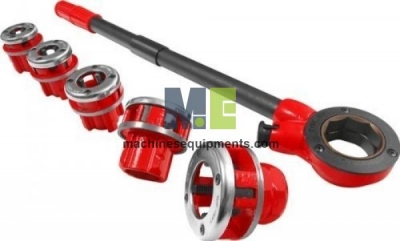
Hand Tools and Machines Myanmar
View range -
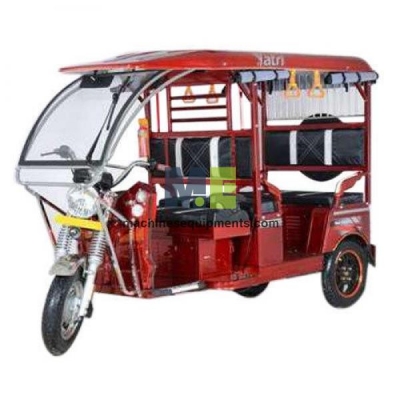
Battery Operated Three Wheelers Myanmar
View range -
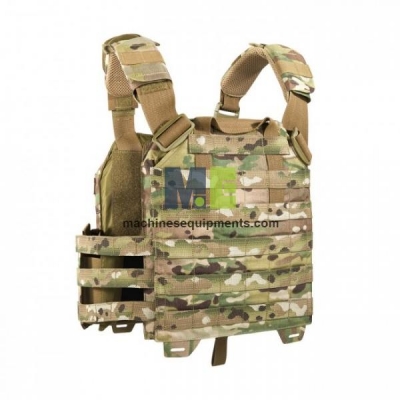
Army Equipment Myanmar
View range -
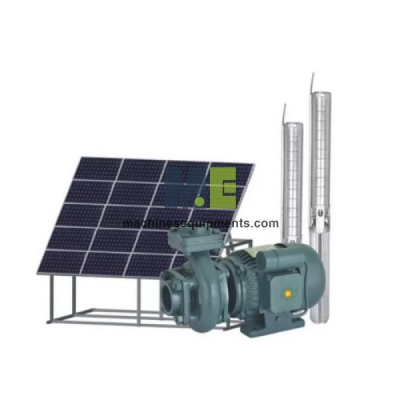
Solar System Products Myanmar
View range -
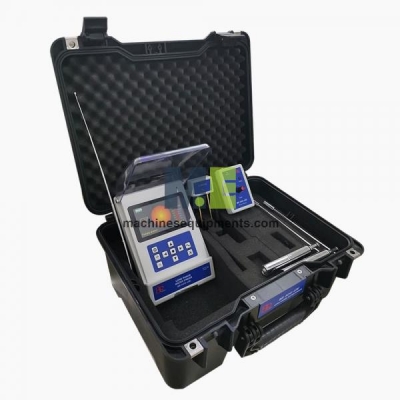
Industrial Tender Machines Myanmar
View range
Industrial machinery manufacturers and suppliers in Myanmar
Myanmar is an agricultural country with substantial unprocessed output, and the machinery enquiries we receive reflect the gap between what is grown and what is processed domestically. Rice, pulses, oilseeds and fisheries all leave the country in raw or semi-processed form, and buyers here are typically trying to capture more of that value locally. The operating environment presents real practical constraints, and we quote with those built in.
What Myanmar buyers specify
Rice milling is the largest category by some distance, spanning modest district mills through to commercial plants producing for export, together with the drying, cleaning, grading and colour sorting equipment that determines whether output reaches export grade. Pulse and bean processing is the second major group, serving a significant export trade.
Beyond those, we supply oil expelling and refining for sesame, groundnut and sunflower, maize and animal feed plant, fish and aquaculture processing with the associated cold chain, and cold storage and refrigeration more generally. Water treatment plant, solar system products and small-scale construction machinery all sell steadily.
Shipping to Myanmar
Consignments route principally through Yangon, which handles the great majority of the country's containerised imports, with onward road haulage to Mandalay and the upper regions. Thilawa serves the special economic zone south of Yangon and is often the better option for project cargo and larger consignments. Road conditions inland vary considerably and site access on the final leg is worth confirming before shipment rather than after.
Shipments leave with the packing list, commercial invoice, certificate of origin and any inspection certificates required.
Payment and banking arrangements
This deserves stating plainly rather than leaving for later. International banking arrangements with Myanmar are more restricted and slower than with most markets, and payment routing is frequently the longest part of a transaction rather than manufacture or shipping. We would rather establish at the enquiry stage what banking route a buyer intends to use and confirm it is workable, than issue a quotation, agree an order and discover the payment cannot be completed. If you already have a route that works, tell us and we will structure the documentation around it. If you are unsure, raise it early and we will discuss the options before either side commits time to a specification.
Built for local conditions
Myanmar runs on 230 V at 50 Hz, with Type C, D, F and G sockets all encountered depending on the age and origin of the installation. Equipment is built to the actual site supply at the order stage, and it is worth confirming what is genuinely available rather than assuming. Grid reliability outside the main cities is limited, so plant destined for district sites is specified for generator operation with starting loads staged accordingly. Humidity is high and the monsoon pronounced, so enclosures and electrical equipment are specified for those conditions. Manuals and control labelling can be supplied in English or Burmese.
Serviceability and training
The industrial maintenance base is developing, and that shapes what we recommend rather than only how we install. Where a simpler and more robust machine will do the job we will say so, because sophistication that cannot be maintained locally is a liability. Commissioning covers maintenance as well as operation, and wear parts are identified with their specifications at handover so they can be held on site rather than ordered reactively.
Export grade and buyer requirements
Myanmar rice and pulse exporters sell into markets with real quality expectations, and the plant determines whether output meets them — broken grain percentage, moisture consistency, colour sorting and contamination control are all set by specification rather than by careful operation. Tell us the grade you need and the market you are selling into, and we will specify a line to reach it.
Getting a price
Send the crop or product, the output you need per hour or per day, the region the plant is going to, the power available at the site, and the grade your output must meet. Raise the payment route early. You get a machine list, a delivered price and a lead time in writing.
Starting small and expanding
A great many Myanmar processing businesses begin at modest scale and grow as capital allows, and that is a sound way to build provided the first installation is planned for it. Where we know a buyer intends to expand, we recommend a layout and machine selection that can accept a second line or a larger unit later without tearing out the original — foundations, power provision, material flow and building envelope all planned for the plant you intend to have rather than only the one you can afford now. Tell us the ambition alongside the budget and the specification will reflect both.
Manufacturers and suppliers in Myanmar
- Food Processing Plants and Line
- Relief Blankets and Tents
- Agricultural Machinery and Equipment
- Hand Tools and Machines
- Battery Operated Three Wheelers
- Army Equipment
- Solar System Products
- Industrial Tender Machines
- Garage Workshop Equipments
- Drilling and Bore Well Equipments
- 3D Printer Machine
- Agro Processing Equipments
- 3D Scanners Machine
- Water Irrigation Equipments
- Fire Detection System
- Fire Fighting Equipments
- Refrigeration and Cold Storage Equipments
- Wind Energy Equipment
- Computer, IT and ICT Equipment
- Cyber Security Equipments
- Traffic Safety Equipments
- Water Treatment Solutions
- Construction Machinery and Equipments
- Food Processing Equipment Line Machines Plants
- Power Distribution Equipment
- Power Generation Equipment
- Power Transmission Equipment
