
Suppliers, manufacturers and factory in Mauritius
Every division below ships to Mauritius as single units, as complete production lines, or consolidated into one bulk shipment against tender.
-
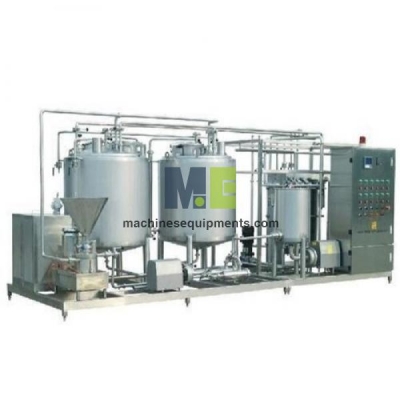
Food Processing Plants and Line Mauritius
View range -
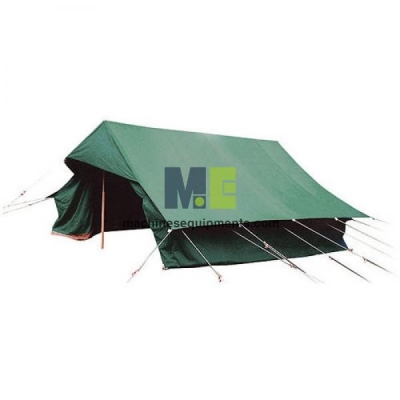
Relief Blankets and Tents Mauritius
View range -
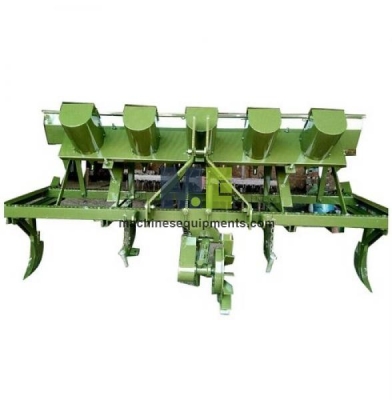
Agricultural Machinery and Equipment Mauritius
View range -
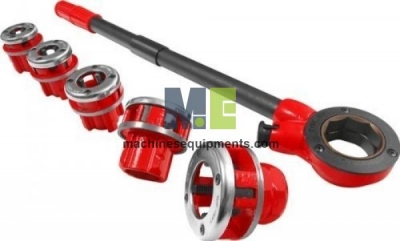
Hand Tools and Machines Mauritius
View range -
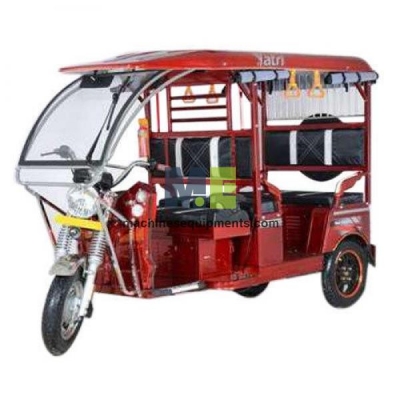
Battery Operated Three Wheelers Mauritius
View range -
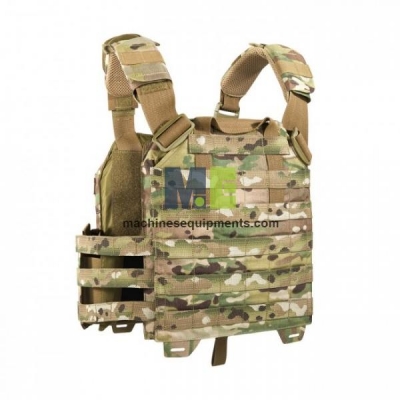
Army Equipment Mauritius
View range -
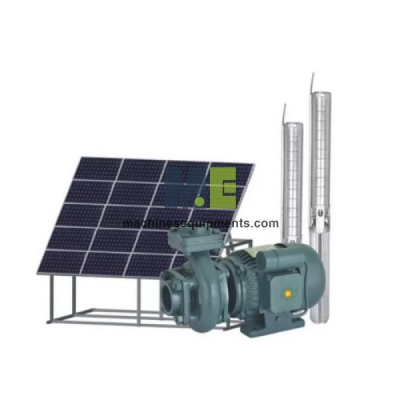
Solar System Products Mauritius
View range -
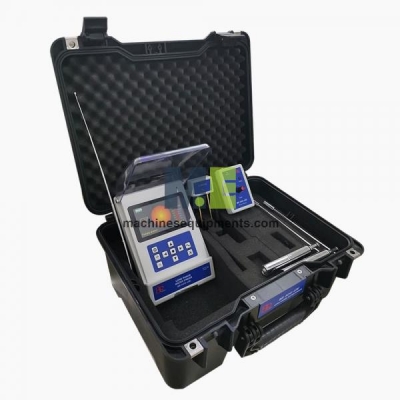
Industrial Tender Machines Mauritius
View range
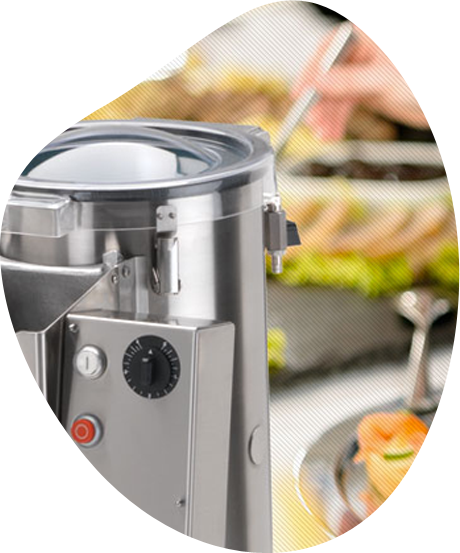
Industrial machinery manufacturers and suppliers in Mauritius
Mauritius is a compact market with a sophisticated buyer. Industry here is export-oriented, quality standards are high, and purchasers tend to specify carefully and compare closely before ordering. It also serves as a base for companies operating into mainland Africa, so a proportion of what we ship to Port Louis is bought by businesses whose operations sit elsewhere on the continent.
What Mauritian buyers specify
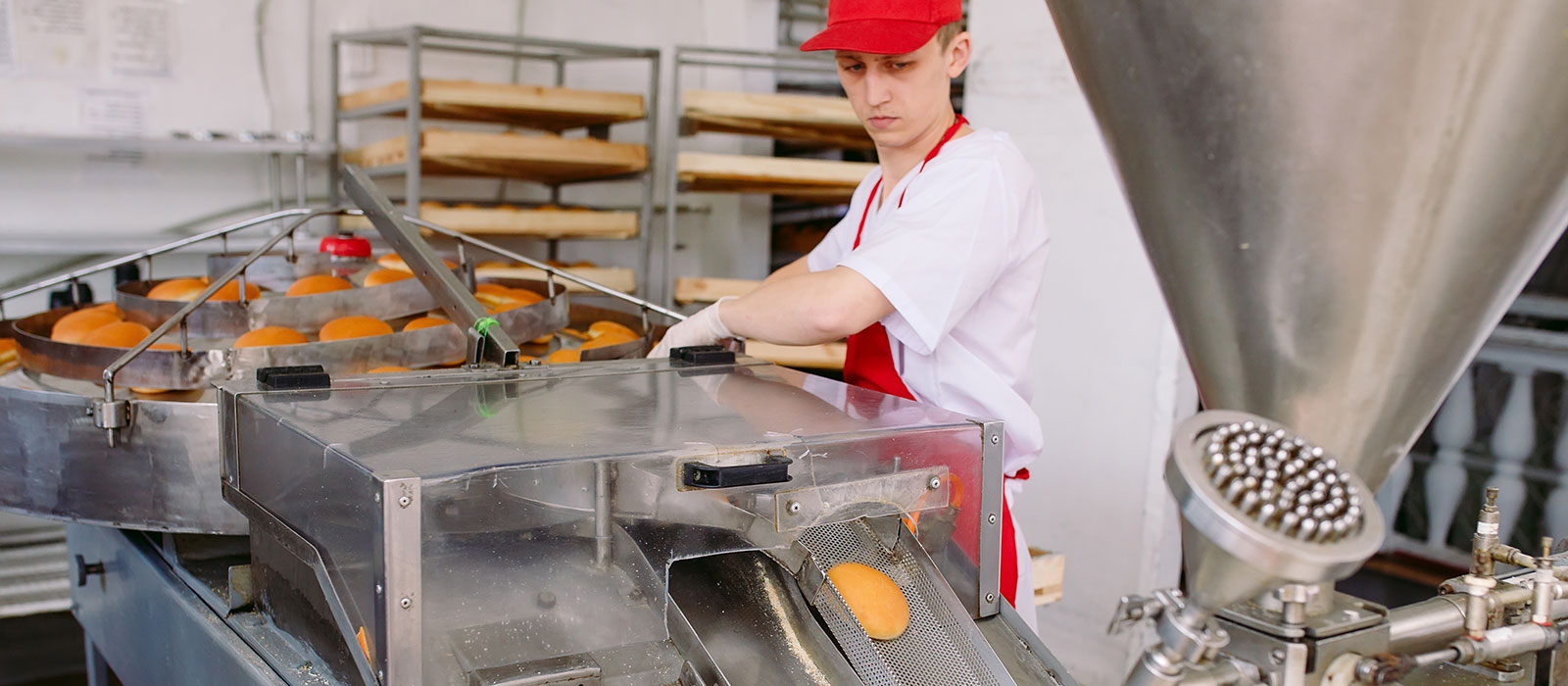
Sugar cane processing remains a foundation of the island's industry, and we supply milling, clarification, evaporation and handling equipment for it, along with the plant that supports the shift from raw sugar toward refined and speciality products. Seafood is the second major sector — tuna and general fish processing lines, filleting and grading equipment, canning plant, and the blast freezing and cold storage that the export trade depends on.
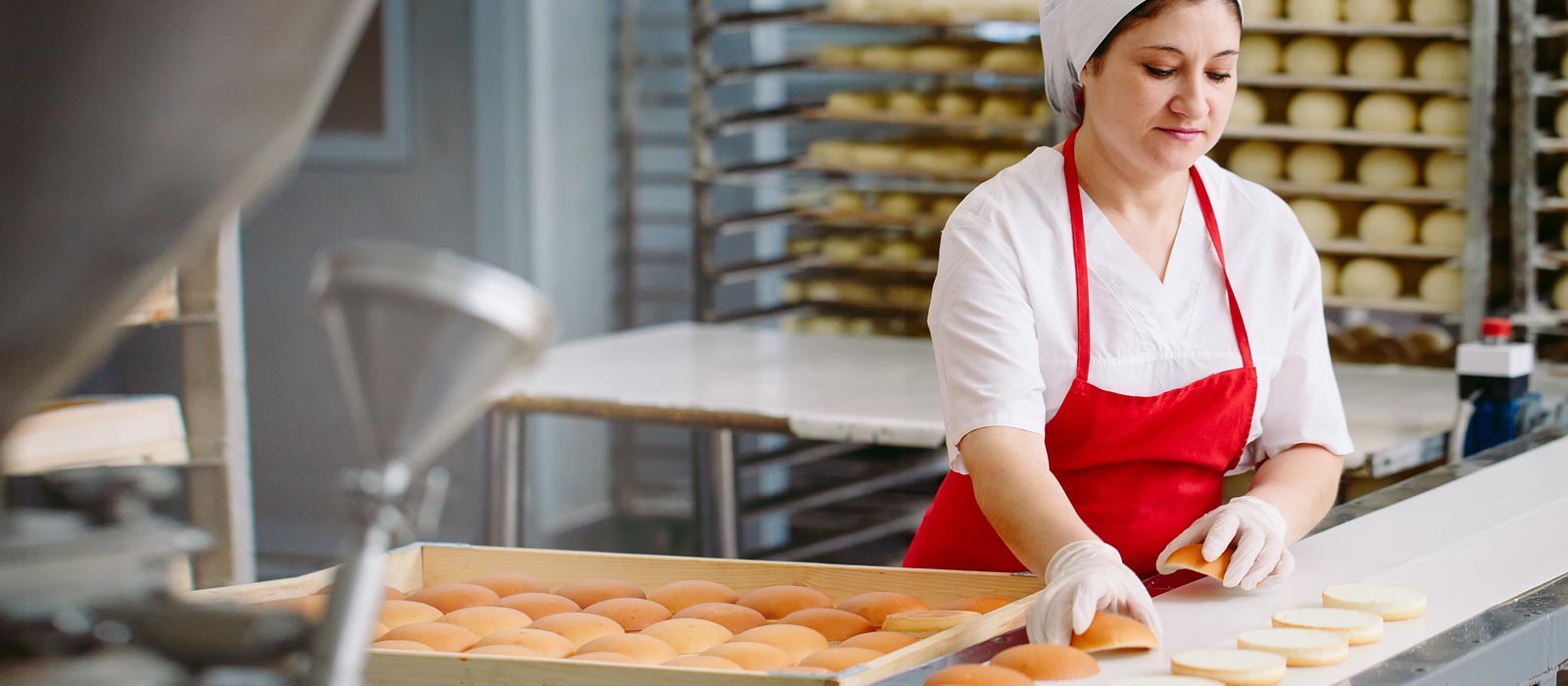
Beyond those, we ship bakery and confectionery equipment, juice and beverage lines, dairy plant, and packaging machinery to manufacturers serving both the domestic market and the tourist economy. Cold room and refrigeration equipment sells steadily to hotels, distribution and food service. There is also demand for water treatment plant, and for solar systems as the island expands renewable generation.
Shipping to Mauritius
Consignments route through Port Louis, the island's single commercial port. It is efficient and well run, and clearance is generally quick by regional standards provided documentation is complete. Because everything arrives at one port and the island is small, inland delivery is rarely a complication — any site is within a short drive.
Shipments leave with the packing list, commercial invoice, certificate of origin and any inspection or conformity certificates required, prepared to suit Mauritian customs and the standards regime applying to the product category.
Built for local conditions
Mauritius runs on 230 V at 50 Hz, with Type G and C sockets in use. Equipment is built to that supply at the order stage. The island's climate is humid and salt-laden, particularly on coastal sites, which affects material choice: for food processing and marine applications we specify stainless steel grades and protective finishes with corrosion in mind rather than treating it as an optional upgrade. Manuals and control labelling can be supplied in English or French, both of which are widely used in Mauritian industry.
Tender and bulk supply
Public procurement runs through a formal, well-documented tender process, and standards of compliance are enforced. We supply technical specifications and compliance documentation in the format the tender asks for, along with manufacturer authorisation letters where required. Mauritian bids tend to weight technical compliance and after-sales capability heavily rather than price alone, so we prepare responses accordingly.
Installation and support
We commission on site and train operators. Mauritius has a capable technical workforce and installations here generally transfer smoothly to local maintenance once training is complete. Wear parts are identified with specifications at handover so they can be reordered ahead of need — worth planning on an island where nothing can be sourced overnight.
Buying for operations elsewhere in Africa
A number of our Mauritian customers are buying for projects on the mainland rather than for the island itself. If that applies to you, tell us the final destination at the enquiry stage rather than after the quotation is issued — the electrical specification, the documentation set and often the crating all differ depending on where the equipment ultimately lands, and it is far cheaper to build for the right destination than to modify afterwards.
Getting a price
Send the product you intend to process, the output you need per hour, and whether the site is coastal or inland. If the equipment is destined for the mainland, say so. You get a machine list, a delivered price and a lead time in writing.
Scale and the right size of plant
The most common specification error we see on Mauritian projects is over-sizing. The domestic market is small, and a line sized for a mainland African population will spend most of its life running well below its efficient operating point — which costs more in energy and gives a poorer product than a correctly sized machine at full duty. If your output is destined mainly for the island and the tourist economy, say so, and we will quote a plant matched to that throughput rather than the largest model in the range. Where you are producing for export as well, we will look at whether a smaller line running longer shifts serves you better than a larger one running intermittently.
Standards and food safety documentation
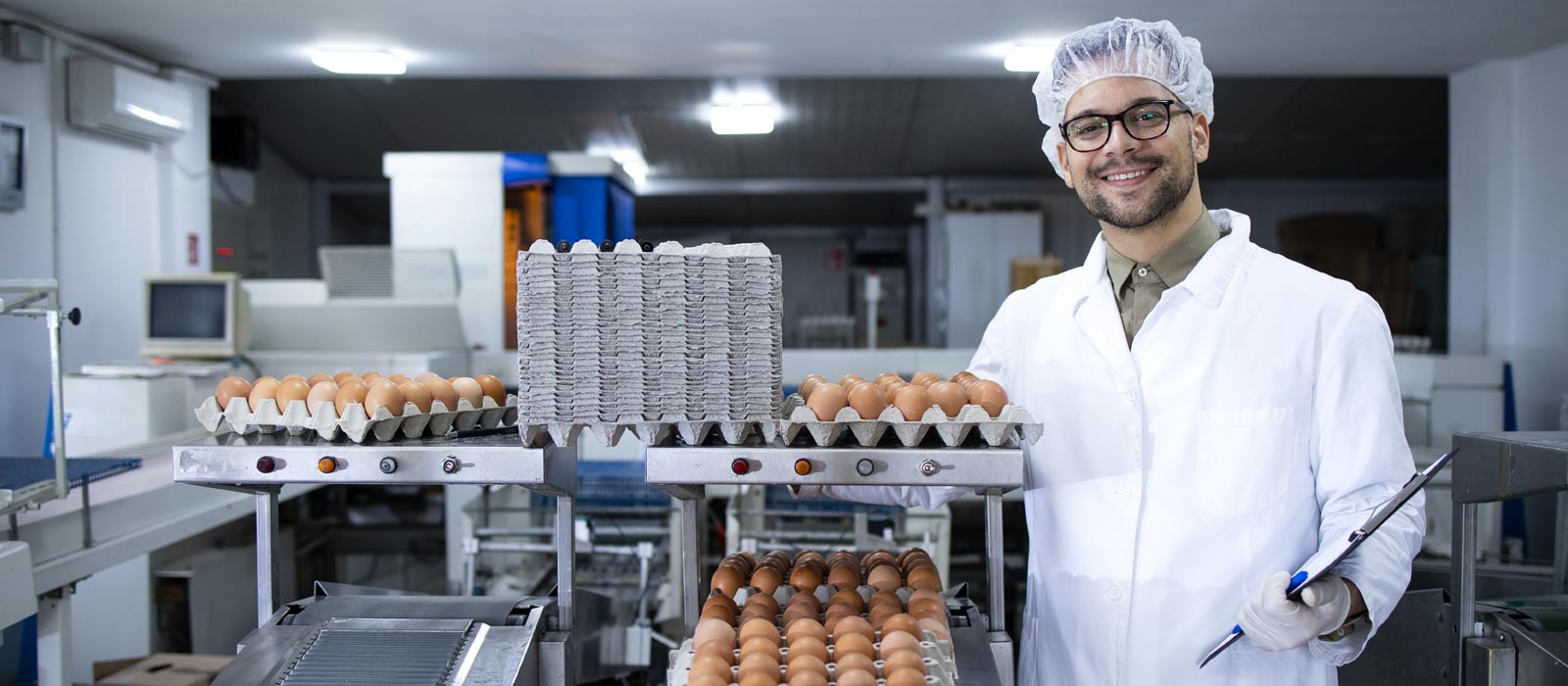
Mauritian food processors selling into Europe and other regulated markets carry certification obligations that reach back into the equipment they use — surface finishes, material certificates, cleanability and traceability of contact parts. We supply material certificates and technical documentation for food contact components as part of the handover rather than as a later request, so an audit does not stall on paperwork that should have arrived with the machine.
Manufacturers and suppliers in Mauritius
- Food Processing Plants and Line
- Relief Blankets and Tents
- Agricultural Machinery and Equipment
- Hand Tools and Machines
- Battery Operated Three Wheelers
- Army Equipment
- Solar System Products
- Industrial Tender Machines
- Garage Workshop Equipments
- Drilling and Bore Well Equipments
- 3D Printer Machine
- Agro Processing Equipments
- 3D Scanners Machine
- Water Irrigation Equipments
- Fire Detection System
- Fire Fighting Equipments
- Refrigeration and Cold Storage Equipments
- Wind Energy Equipment
- Computer, IT and ICT Equipment
- Cyber Security Equipments
- Traffic Safety Equipments
- Water Treatment Solutions
- Construction Machinery and Equipments
- Food Processing Equipment Line Machines Plants
- Power Distribution Equipment
- Power Generation Equipment
- Power Transmission Equipment
