

Suppliers, manufacturers and factory in Libya
Every division below ships to Libya as single units, as complete production lines, or consolidated into one bulk shipment against tender.
-
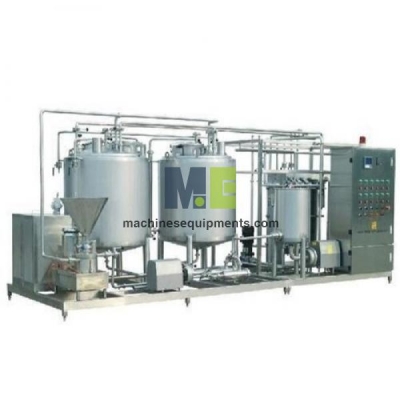
Food Processing Plants and Line Libya
View range -
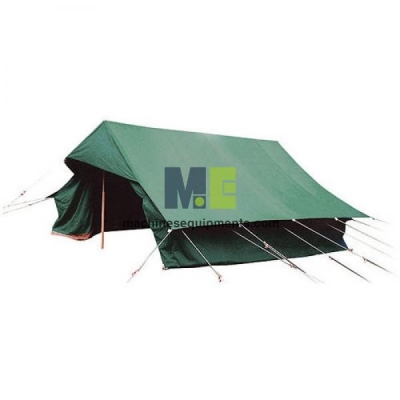
Relief Blankets and Tents Libya
View range -
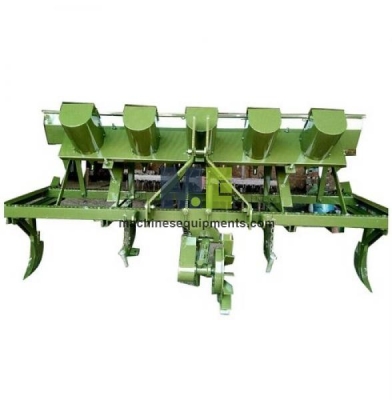
Agricultural Machinery and Equipment Libya
View range -
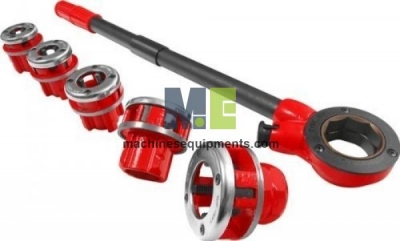
Hand Tools and Machines Libya
View range -
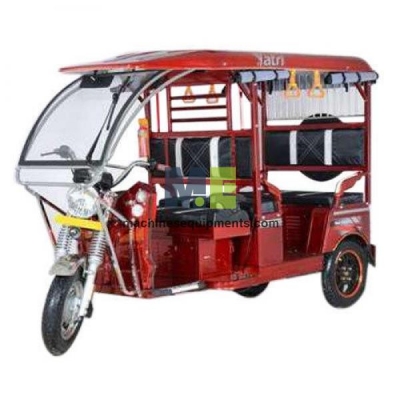
Battery Operated Three Wheelers Libya
View range -
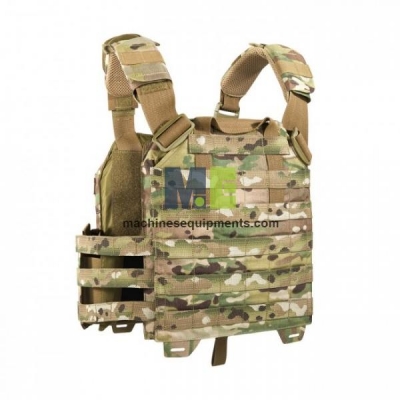
Army Equipment Libya
View range -
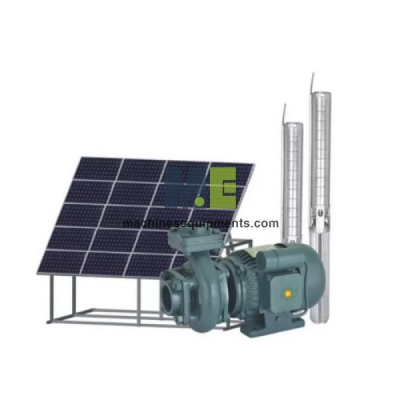
Solar System Products Libya
View range -
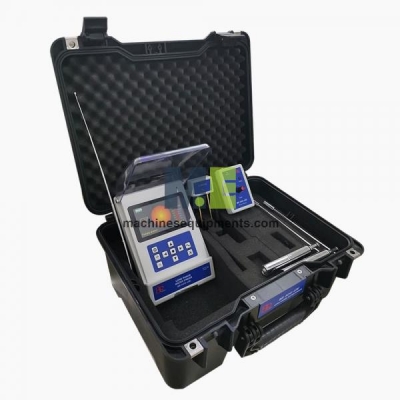
Industrial Tender Machines Libya
View range
Industrial machinery manufacturers and suppliers in Libya
Libya imports the great majority of its food and manufactured goods, and the machinery demand we see is largely about rebuilding and establishing processing capacity that reduces that dependence. The engineering is usually the straightforward part; the operating environment and the payment route are where a Libyan project succeeds or stalls, so we deal with those first rather than last.
Compliance and payment, addressed early
International restrictions affect aspects of trade with Libya, and banking arrangements are frequently the longest part of a transaction rather than manufacture or shipping. We assess each enquiry against the rules that apply to us at the time it is made and will tell you plainly and quickly if we cannot proceed. If you already have a payment route that works, tell us at the outset and we will structure the documentation around it. If you are unsure, raise it before either side invests time in a specification — a clear answer in the first exchange is worth more than a slow one after three months.
What Libyan buyers specify
Food processing leads. We supply flour milling plant, which is fundamental to domestic food supply; pasta and couscous production; bakery and confectionery equipment; dairy processing; juice and beverage lines; and food packaging machinery. Date processing serves a traditional crop, and olive oil extraction serves the coastal growing regions.
Cold storage and refrigeration are consistently in demand across a food supply that arrives imported and must be held. Beyond food, we ship water treatment and pumping plant, generators and power equipment, construction machinery for reconstruction work, workshop and garage equipment, and fire fighting and detection systems.
Shipping to Libya
Consignments route through Tripoli or Al Khums for the west, Misrata for the centre, or Benghazi and Tobruk for the east. Port availability and conditions vary, and the practical choice depends on the destination and on circumstances at the time rather than on a standard routing. We confirm the position at quotation stage rather than assuming.
Shipments leave with the packing list, commercial invoice, certificate of origin and any inspection certificates required. Documentation requirements for Libya are exacting and are worth getting precisely right, because a discrepancy is resolved far more slowly at the port than at the desk.
Built for local conditions
Libya runs on 230 V at 50 Hz, with Type C, D and L sockets encountered depending on the age and origin of the installation. Equipment is built to the actual site supply at the order stage, which is worth confirming rather than assuming given the variety in service.
Power is the governing design constraint. Mains supply is intermittent across much of the country and a great deal of industry runs on private generation. Plant is specified with staged starting loads, soft starters where the duty justifies them, and control systems that recover cleanly from an interruption rather than needing a full manual restart. Tell us the generator rating at the site and we will size the line to it. Summer heat is severe and dust loading high, so condensers, motor cooling and cabinet ventilation are specified for the real condition and filtration is treated as essential. Manuals and control labelling can be supplied in Arabic or English.
Spares and serviceability
Resupply into Libya is slow and not always predictable, which changes what we recommend rather than only how we install. Where a simpler and more robust machine will do the job we will say so, because a plant that stops for want of a part that takes months to arrive produces nothing at all. We recommend taking a substantial spares holding with the plant rather than ordering reactively, built around the actual duty of your line: seals, belts, bearings, screens and the specific control panel components that are inexpensive individually and impossible to improvise locally.
Getting a price
Raise the compliance and payment position in your first message. Then send the product, the output you need per hour, the port you intend to use, and the power available at the site including generator rating. If we can proceed you get a machine list, a delivered price and a lead time in writing. If we cannot, you will know quickly.
Rebuilding existing capacity
A good proportion of Libyan enquiries concern restarting or repairing plant that already exists rather than building new. That is a different problem from a greenfield project: a replacement unit has to match the throughput of what sits either side of it, accept the same input condition and fit a building laid out for something else, often with utilities that have deteriorated. If you are replacing within an existing line, send the makes, capacities and any drawings you still hold. Where original documentation has been lost we will work from measurements and photographs instead. It is slower than working from drawings but it is workable, and it is a great deal better than specifying blind and discovering the mismatch after delivery.
Manufacturers and suppliers in Libya
- Food Processing Plants and Line
- Relief Blankets and Tents
- Agricultural Machinery and Equipment
- Hand Tools and Machines
- Battery Operated Three Wheelers
- Army Equipment
- Solar System Products
- Industrial Tender Machines
- Garage Workshop Equipments
- Drilling and Bore Well Equipments
- 3D Printer Machine
- Agro Processing Equipments
- 3D Scanners Machine
- Water Irrigation Equipments
- Fire Detection System
- Fire Fighting Equipments
- Refrigeration and Cold Storage Equipments
- Wind Energy Equipment
- Computer, IT and ICT Equipment
- Cyber Security Equipments
- Traffic Safety Equipments
- Water Treatment Solutions
- Construction Machinery and Equipments
- Food Processing Equipment Line Machines Plants
- Power Distribution Equipment
- Power Generation Equipment
- Power Transmission Equipment
