

Suppliers, manufacturers and factory in Cameroon
Every division below ships to Cameroon as single units, as complete production lines, or consolidated into one bulk shipment against tender.
-
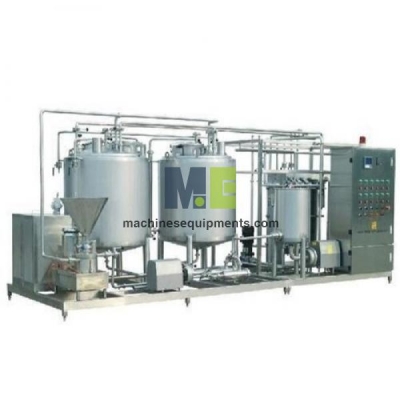
Food Processing Plants and Line Cameroon
View range -
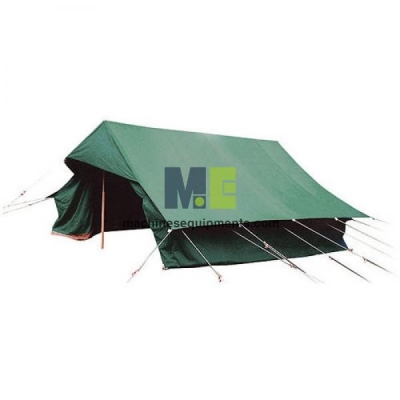
Relief Blankets and Tents Cameroon
View range -
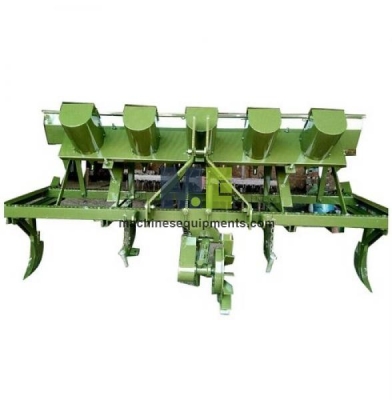
Agricultural Machinery and Equipment Cameroon
View range -
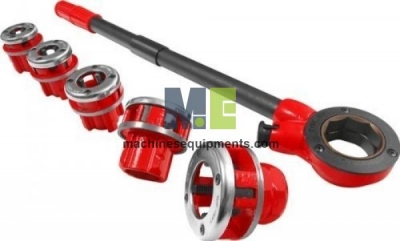
Hand Tools and Machines Cameroon
View range -
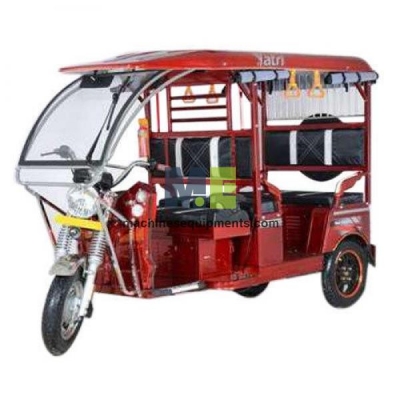
Battery Operated Three Wheelers Cameroon
View range -
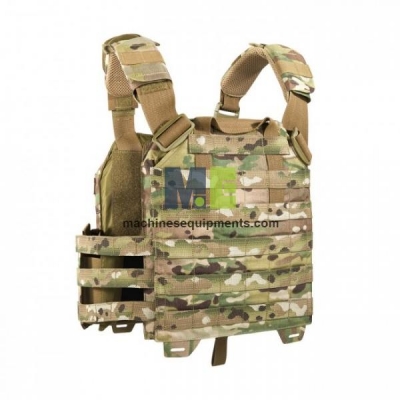
Army Equipment Cameroon
View range -
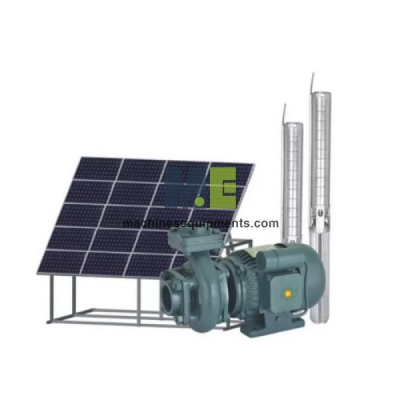
Solar System Products Cameroon
View range -
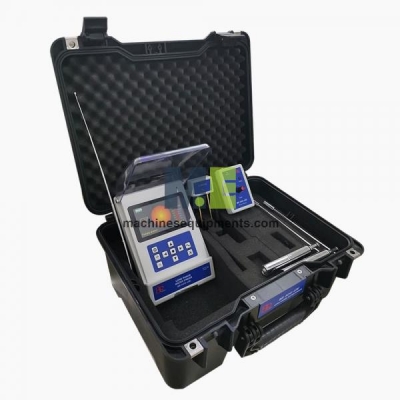
Industrial Tender Machines Cameroon
View range
Industrial machinery manufacturers and suppliers in Cameroon
Cameroon has been called Africa in miniature for its range of climates and crops, and the machinery demand reflects that variety. Cocoa, coffee, palm oil, cotton, maize and cassava all grow in commercial quantity, and much of it still leaves the country with little processing. A large share of the enquiries we receive are from businesses trying to capture that value domestically. Douala also serves Chad and the Central African Republic, so some of what lands there is bound further inland.
What Cameroonian buyers specify
Cocoa processing leads — fermentation, drying, roasting, winnowing and grinding equipment for a crop Cameroon produces in volume and has historically exported raw. Coffee processing serves the western highlands. Palm oil milling and refining is a substantial category, serving both plantation and smallholder production.
Beyond those, we supply maize and grain milling, cassava processing including gari and starch equipment, groundnut and oilseed expelling, and rice milling for the northern growing regions. Cotton ginning and handling serve the north. We also ship bakery equipment, beverage lines, dairy plant, and cold storage and refrigeration for fisheries and food distribution. Water treatment and pumping plant and solar system products sell steadily against limited rural grid coverage.
Shipping to Cameroon and the interior
Consignments route through the Port of Douala, which handles the great majority of the country's containerised trade, or increasingly through Kribi, a deep-water port better suited to larger vessels and heavy project cargo. Douala can be congested and lead times are best planned generously rather than optimistically.
Inland haulage to Yaoundé, the west and the north is well established but distances are considerable, and roads to the far north are demanding. If your equipment is bound for Chad or the Central African Republic rather than for Cameroon itself, tell us at the enquiry stage — transit documentation is required alongside import paperwork, and both the electrical specification and the crating should follow the final destination rather than the port.
Built for local conditions
Cameroon runs on 220 V at 50 Hz, with Type C, E and F sockets encountered. Equipment is built to the actual site supply at the order stage. Conditions vary widely: the coast and south are hot and very humid with heavy rainfall, while the north is dry, hot and dusty. We specify enclosures, cooling and filtration for the actual region rather than a national average, because a plant built for Douala will not do well in Maroua and the reverse is equally true.
Grid reliability outside the main centres is limited, so plant destined for district sites is specified for generator or solar operation with starting loads staged accordingly. Manuals and control panel labelling can be supplied in French or English, both of which are official languages — tell us which your workforce uses, because it is not uniform across the country.
Serviceability and simplicity
Equipment going to rural Cameroon has to be maintainable in the field rather than in a workshop. Where a simpler machine will do the job reliably we will say so, because sophistication that cannot be serviced locally is a liability rather than an asset. Wear parts are identified with their specifications at handover so they can be held on site or sourced regionally, and service documentation ships with the equipment rather than following on request. Commissioning covers maintenance as thoroughly as operation.
Tender, cooperative and programme supply
Public tenders, agricultural cooperatives and donor-funded programmes account for a meaningful share of machinery purchasing. Tenders are normally conducted in French. We supply technical specifications and compliance documentation in French or English as required, along with manufacturer authorisation letters where a bid asks for them, and we consolidate cooperative and group orders into single shipments to reduce landed cost per unit.
Getting a price
Send the crop or product, the output you need per hour or per day, the region the plant is going to, the language your documentation should be in, and the power available at the site. If the equipment is moving on to Chad or the Central African Republic, say so. You get a machine list, a delivered price and a lead time in writing.
Smallholder supply and input variability
A large share of Cameroon's cocoa, coffee and palm fruit comes from smallholders rather than estates, which means the material arriving at a processing plant varies more in moisture, size and quality than it would from a single managed source. That is a specification issue, not an operational one. A line built on the assumption of consistent input will spend its life out of tolerance. Tell us where your raw material comes from and what range you actually see across a season, and we will specify cleaning, grading and drying capacity that copes with the spread rather than with an average that never arrives.
Manufacturers and suppliers in Cameroon
- Food Processing Plants and Line
- Relief Blankets and Tents
- Agricultural Machinery and Equipment
- Hand Tools and Machines
- Battery Operated Three Wheelers
- Army Equipment
- Solar System Products
- Industrial Tender Machines
- Garage Workshop Equipments
- Drilling and Bore Well Equipments
- 3D Printer Machine
- Agro Processing Equipments
- 3D Scanners Machine
- Water Irrigation Equipments
- Fire Detection System
- Fire Fighting Equipments
- Refrigeration and Cold Storage Equipments
- Wind Energy Equipment
- Computer, IT and ICT Equipment
- Cyber Security Equipments
- Traffic Safety Equipments
- Water Treatment Solutions
- Construction Machinery and Equipments
- Food Processing Equipment Line Machines Plants
- Power Distribution Equipment
- Power Generation Equipment
- Power Transmission Equipment
