
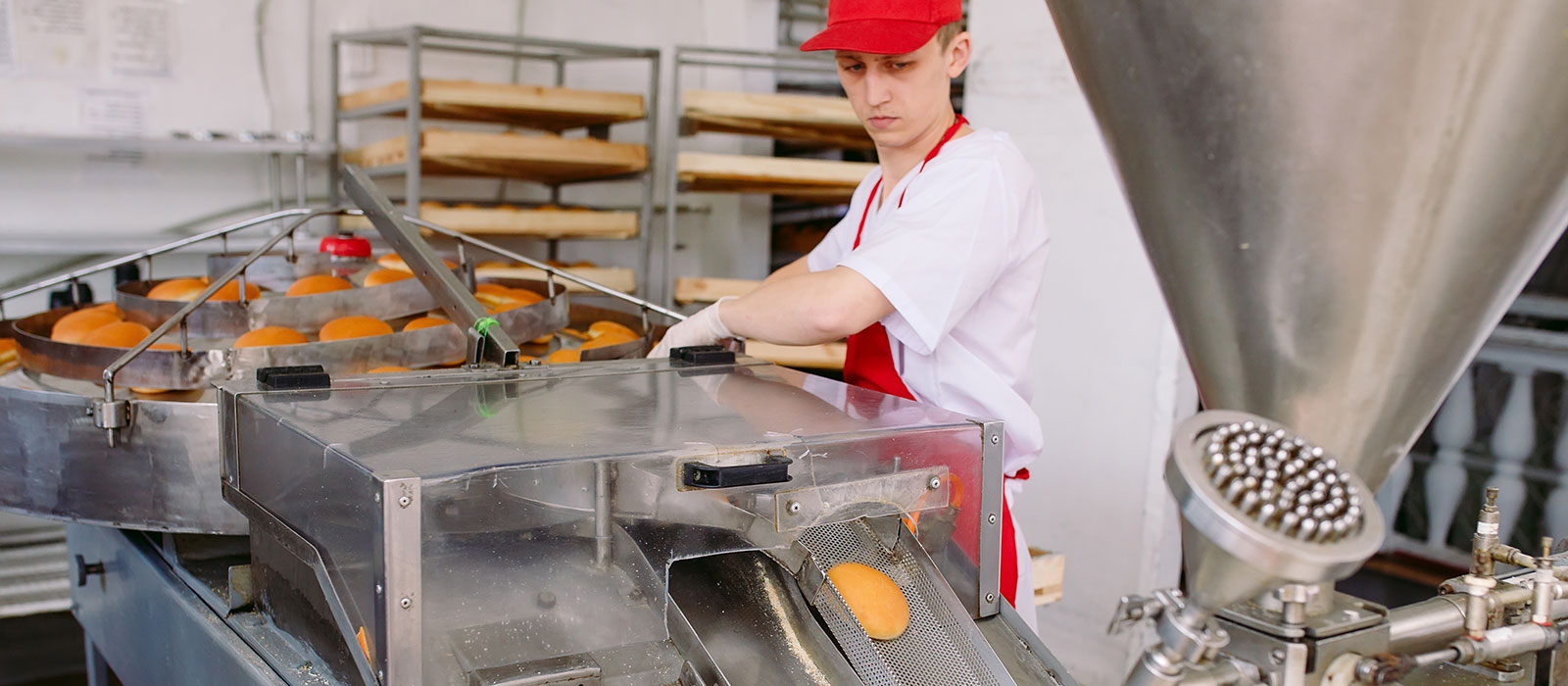
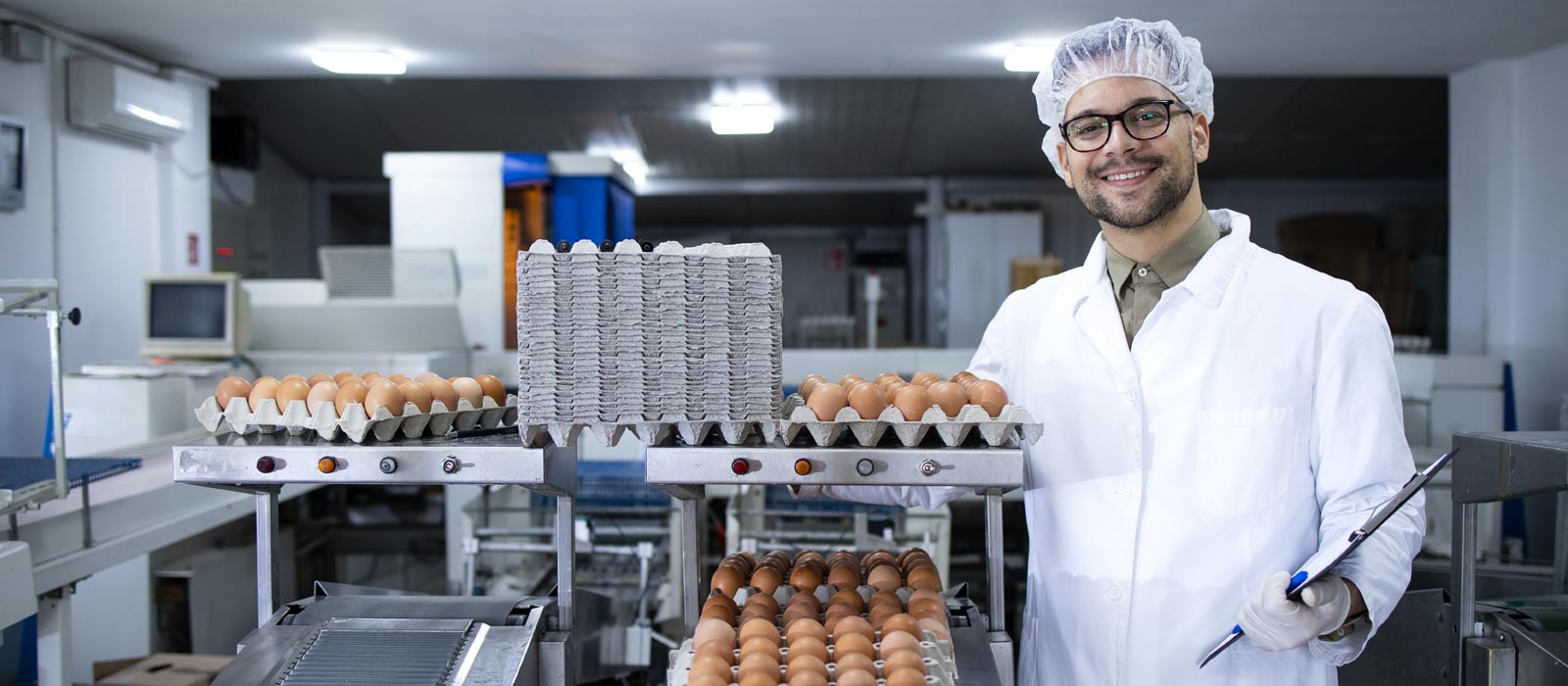

Suppliers, manufacturers and factory in Afghanistan
Every division below ships to Afghanistan as single units, as complete production lines, or consolidated into one bulk shipment against tender.
-
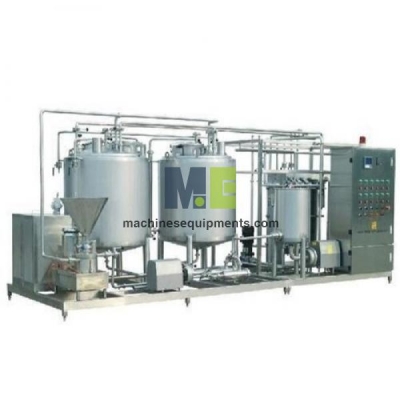
Food Processing Plants and Line Afghanistan
View range -
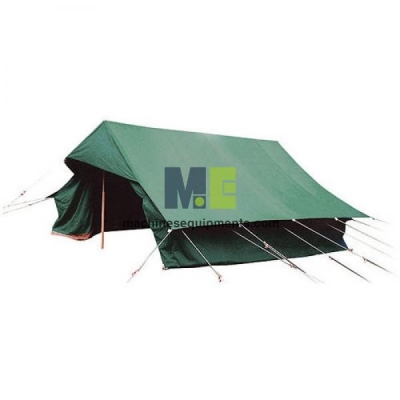
Relief Blankets and Tents Afghanistan
View range -
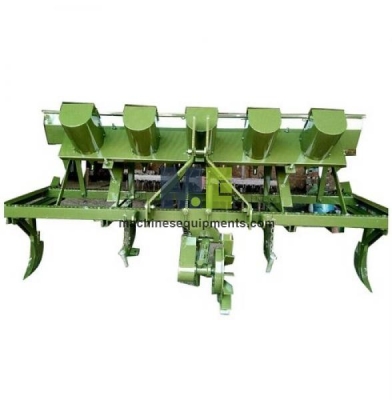
Agricultural Machinery and Equipment Afghanistan
View range -
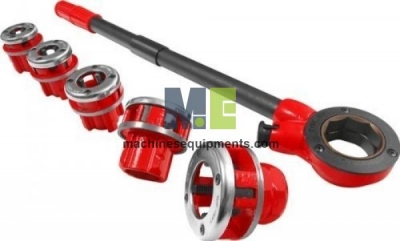
Hand Tools and Machines Afghanistan
View range -
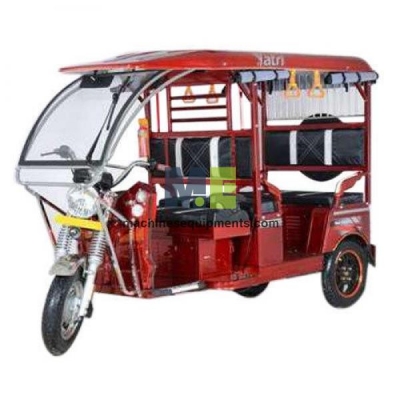
Battery Operated Three Wheelers Afghanistan
View range -
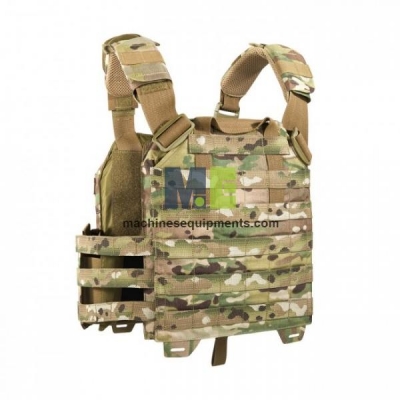
Army Equipment Afghanistan
View range -
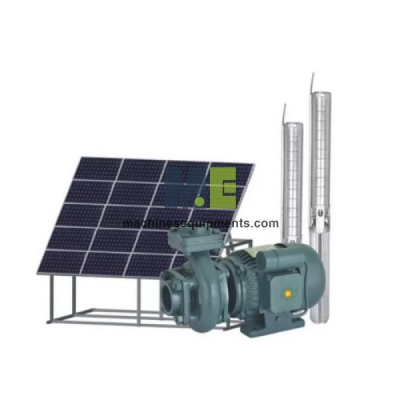
Solar System Products Afghanistan
View range -
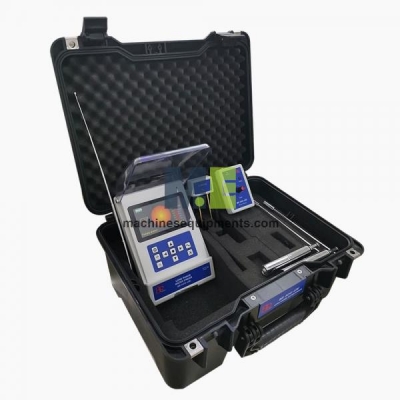
Industrial Tender Machines Afghanistan
View range
Industrial machinery manufacturers and suppliers in Afghanistan
Afghanistan is a landlocked market with substantial agricultural output and limited domestic processing capacity, and the machinery enquiries we receive follow directly from that gap. Fruit, nuts, cotton and grain leave the country in raw form that could be processed locally. The practical constraints on supplying here are real, and we address them at the enquiry stage rather than after a specification has been agreed.
Before anything else: compliance and payment
International restrictions affect what may be supplied to Afghanistan, to whom, and how payment may be routed, and those restrictions change. We assess each enquiry against the rules applying to us at the time, and we will tell you plainly and early if we cannot proceed rather than letting a discussion run and then withdrawing. Banking is the second practical constraint and is usually the longest part of any transaction. If you have a payment route that works, say so at the outset; if you do not, raise it before either side invests time in a specification.
What Afghan buyers specify
Dried fruit and nut processing leads — raisins, apricots, almonds, pistachios and walnuts are significant export crops, and cleaning, grading, sorting and packing equipment determines whether they reach export grade or are sold as bulk commodity. Saffron processing serves a small but high-value sector.
Flour milling is fundamental to domestic food supply and a consistent category. Beyond that, we supply oil expelling equipment for cottonseed and sunflower, rice and grain processing, cold storage for the fresh fruit trade, dairy plant, and bakery equipment. Water treatment and pumping equipment, solar system products and generators are in steady demand given infrastructure conditions.
Shipping to Afghanistan
Afghanistan has no coastline. Consignments route through Karachi in Pakistan and move overland via Torkham or Chaman; through Bandar Abbas or Chabahar in Iran; or overland from Central Asia depending on the destination and the circumstances at the time. Route availability and cost vary, and we confirm the position at the time of quotation rather than assuming a standard arrangement.
Because the shipment transits at least one other country, transit documentation matters alongside import documentation, and we prepare both together. Road conditions inland are demanding and site access on the final leg should be confirmed before shipment.
Built for local conditions
Afghanistan runs on 220 V at 50 Hz, with Type C, D and F sockets encountered. Equipment is built to the actual site supply at the order stage — worth confirming rather than assuming, since installations vary considerably in origin and age.
Power is the governing constraint. Grid coverage is limited and unreliable across much of the country, and most processing plant runs on generation or solar. We specify with staged starting loads and control systems that recover from interruption cleanly. Where a site has no grid connection at all, tell us and we will specify the power system alongside the plant rather than leaving you to match them. Altitude matters in the central highlands, affecting air-cooled performance and combustion. Summer heat and dust are significant, and filtration is treated as essential. Manuals and control labelling can be supplied in Dari, Pashto or English.
Serviceability and spares
Resupply is slow, and that shapes what we recommend rather than only how we install. Where a simpler, field-maintainable machine will do the job we will say so, because sophistication that cannot be serviced locally is a liability. We recommend a substantial spares holding taken with the plant, built around your actual duty rather than a generic list, and commissioning covers maintenance as thoroughly as operation.
Getting a price
Raise compliance and payment in your first message. Then send the crop or product, the output you need per day, the province, the route you intend to use, and the power available at the site. If we can proceed you get a machine list, a delivered price and a lead time in writing. If we cannot, you will know quickly.
Training and building local capability
Where a plant is being installed in a place with limited access to outside technical support, training is not a formality at the end of commissioning — it is the difference between equipment that runs for a decade and equipment that stops in its second year. We plan Afghan installations with a longer commissioning period than normal, covering fault diagnosis and routine maintenance as thoroughly as operation, and we supply full service documentation in the working language rather than a summary. Where you have staff who will be responsible for the plant, involve them in commissioning rather than only the management, because they are the people who will keep it running.
Manufacturers and suppliers in Afghanistan
- Food Processing Plants and Line
- Relief Blankets and Tents
- Agricultural Machinery and Equipment
- Hand Tools and Machines
- Battery Operated Three Wheelers
- Army Equipment
- Solar System Products
- Industrial Tender Machines
- Garage Workshop Equipments
- Drilling and Bore Well Equipments
- 3D Printer Machine
- Agro Processing Equipments
- 3D Scanners Machine
- Water Irrigation Equipments
- Fire Detection System
- Fire Fighting Equipments
- Refrigeration and Cold Storage Equipments
- Wind Energy Equipment
- Computer, IT and ICT Equipment
- Cyber Security Equipments
- Traffic Safety Equipments
- Water Treatment Solutions
- Construction Machinery and Equipments
- Food Processing Equipment Line Machines Plants
- Power Distribution Equipment
- Power Generation Equipment
- Power Transmission Equipment
